Science vs. Hype: Busting Common Nutrition Myths
Stop letting internet fads dictate your health. I use evidence-based science to break down popular myths—from detox teas to diet staples—so you can focus on habits that actually work for your body.
You've probably heard claims that alkaline water can fight disease and reduce acidity. The truth is, your body has powerful systems, like your kidneys and lungs, to maintain its pH balance. I explain why clean, regular water is all you need for proper hydration.
Thinking about a "detox tea" to cleanse your liver? Be careful. Many of these products contain ingredients like Kava Kava which can actually harm your liver instead of helping it. Your body has its own detoxification system; let's focus on supporting it with real food.
Detox teas are not safe for everyone. Due to high caffeine content and diuretic ingredients like licorice root, they can be risky for pregnant women, people with IBS, or kidney issues. Always consult a professional before trying these trending products.
Many detox teas contain laxatives like senna, which can cause dehydration and disrupt your gut microbes, making bloating worse in the long run. For real bloating relief, focus on increasing your water and fiber intake, not on quick fixes.
Is brown rice always healthier than white rice? While it has more fiber, it also contains higher levels of arsenic and anti-nutrients like phytates that can block mineral absorption. I break down the pros and cons to help you make an informed choice.
Seed cycling is promoted for hormonal balance, but there is currently no scientific evidence to support these claims. While the seeds themselves are healthy, the practice of timing them with your cycle is not backed by research.
The idea of a "drinkable sunscreen" sounds amazing, but it's a dangerous myth. These products, which faced lawsuits in the U.S., are making a comeback with clever marketing. Swipe to see why they don't work.
Here is the scientific fact: only topical sunscreen applied to the skin creates a physical barrier against harmful UV rays. Drinking a supplement cannot protect you from sunburn, premature aging, or skin cancer.
These so-called "drinkable sunscreens" often contain antioxidants like Vitamin C or glutathione. While these ingredients can offer some cellular support, they do not and cannot block UV radiation like a real sunscreen.
I've seen ads claiming supplements can provide UV protection. It's a tempting claim, but the reality is that these products are misleading and provide a false sense of security.
About Science vs. Hype: Busting Common Nutrition Myths
You might believe that a 'detox tea' or 'alkaline water' is giving your body a fresh start, but these trends often distract from simple, foundational habits like hydration and fiber intake. When we discuss your health, we don't look at social media buzzwords; we look at your specific blood markers and hormonal needs to identify what your body actually requires for long-term health.
Most health advice online is designed for viral reach, not your biological reality. Whether it is the debate over brown rice versus white rice or the fear-mongering around artificial sweeteners like aspartame, my goal is to strip away the confusion.
We look at the toxicology of diet sodas, the actual effectiveness of seed cycling, and why 'drinkable sunscreen' is a marketing myth that could put your skin at risk. Real nutritional health isn't about finding the 'perfect' superfood or a magic pill; it's about understanding the dose, the source, and the specific metabolic context of your life.
I have seen too many people waste time on gimmicks while their actual nutritional deficiencies go unnoticed. If you are tired of guessing which trends to follow, we can use your unique DNA profile or a clinical blood audit to move past the noise and start a protocol tailored specifically to your physiology.
Similar work from other experts
Browse through Curated picks from other experts on mytribe
Myth Busting: The Real Truth About Food
Busting Nutrition Myths
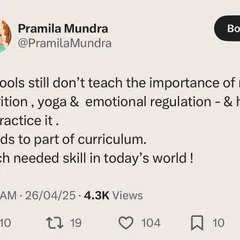
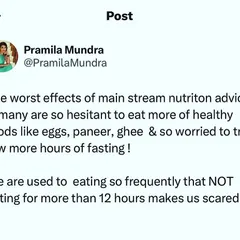
Myth Busting: Separating Fact from Fad
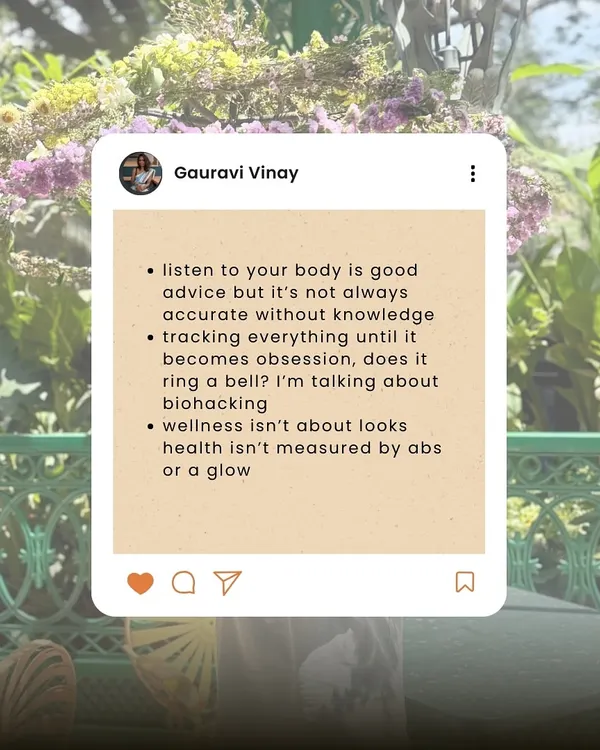 60
60


Nutrition Myths Busted: Get The Facts, Skip The BS
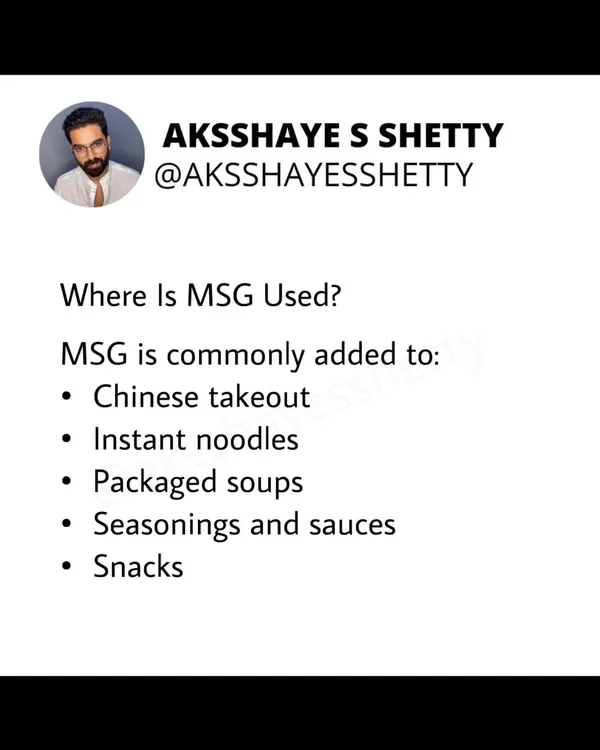 53
53
Nutrition Myth Busting and Science-Backed Facts
Nutrition Facts & Myth Busting: Eat Right for Real Results
More from Medical Nutrition Therapy by Shah Fahad
More services by Shah Fahad