Lifestyle for Longevity: Science-Backed Habits
Your daily habits define your health long before your diet does. From sleep optimization to environmental factors like air quality, here is the science on building a body that lasts.
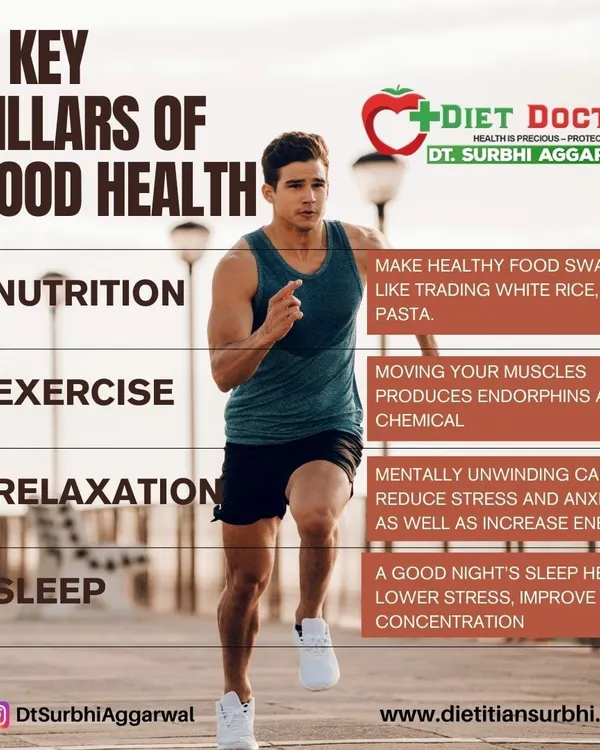
Exercise is the ultimate longevity biohack. It's about so much more than weight loss. It reduces disease risk, boosts mental health, and improves insulin sensitivity, making it one of the most powerful tools for a long, healthy life.
Exercise lowers your risk of cardiovascular disease and cancer, even if you don't lose any weight. The act of moving your body provides profound protective benefits.
Even without weight loss, exercise dramatically improves your body's response to insulin. This is a key mechanism for reducing your risk of developing type 2 diabetes.
The effect of exercise on reducing symptoms of depression is massive. In fact, studies show its effect size is significantly larger than that of many common antidepressant medications.
You don't need to spend hours in the gym. Just 4 minutes of vigorous physical activity per day can reduce cancer risk by 20%, and 50 minutes of resistance training per week can lower depression risk more effectively than medicine.
Quality sleep is your body's greatest performance hack. I'm decoding the secrets of good sleep with science-backed tips to improve your health and longevity.
The truth about melatonin is that it does far more than just help you sleep. It's a powerful antioxidant that aids in recovery, cellular health, and repair processes. Better melatonin equals better aging.
Modern habits like blue light from devices, inconsistent sleep schedules, and late-night caffeine are disrupting our natural melatonin production and sabotaging our sleep.
Timing is everything. Your internal clock controls thousands of biological processes, including producing melatonin 2-3 hours before your usual bedtime. Work with your biology, not against it.
Here are small, science-backed daily habits to improve your melatonin production naturally: get early daylight exposure, limit evening screen time, and maintain a consistent sleep-wake schedule.
About Beyond the Plate: Lifestyle for Longevity
It is easy to focus only on macros, but true health usually breaks down in the gaps—your sleep latency, your indoor air quality, or how your circadian rhythm handles late-night light exposure. Whether you are struggling with persistent fatigue or simply want to optimize your biological age, we start by auditing your environment and daily rhythm, not just your calorie count.
Beyond the Diet
Your environment impacts your biology as much as your food choices. My approach to longevity is built on data, not trends. We look at factors like your local Air Quality Index (AQI), your light exposure patterns, and your recovery metrics.
Sleep as Performance
Sleep is your body's greatest recovery tool. It is not just about the hours you spend in bed. Melatonin production is highly sensitive to light exposure early in the day and blue light exposure at night. I help you build an evening wind-down routine that works with your biology, not against it.
Exercise as Medicine
Resistance training and movement are not just for weight loss. They are protective mechanisms against chronic disease and insulin resistance. We focus on the minimum effective dose to maximize longevity—whether that is four minutes of vigorous activity or specific resistance protocols suited to your current fitness level.
The Data-Driven Process
We don't guess. We track. By auditing your blood markers, sleep patterns, and daily habits, we create a roadmap for your long-term health.
- Environment: Managing indoor air quality to reduce systemic inflammation.
- Circadian Rhythm: Aligning your daily activity with your hormonal cycles.
- Habit Stacking: Building small, consistent changes that you can maintain for years, not weeks.
Similar work from other experts
Browse through Curated picks from other experts on mytribe

Science-Backed Nutrition & Lifestyle for Yoga
Sustainable Lifestyle Habits for Lasting Health
 7
7
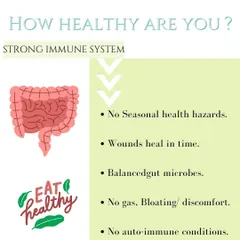
Building Healthy Habits with Functional Nutrition
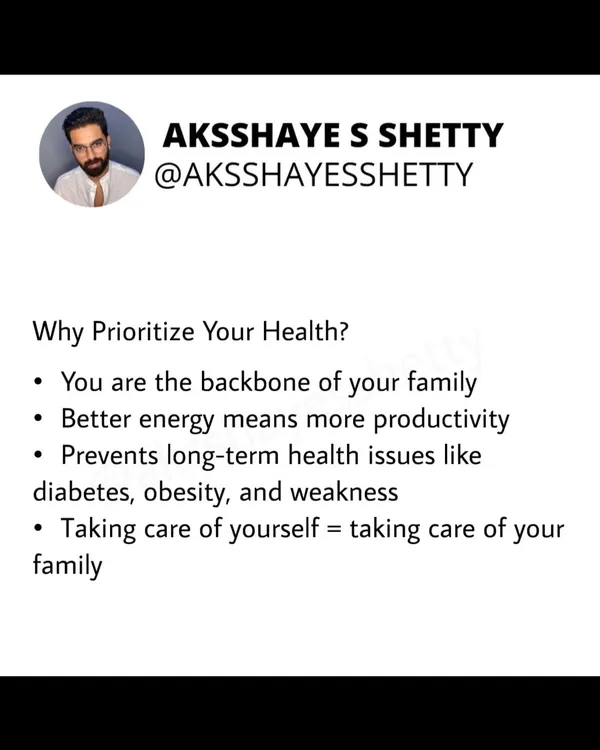 41
41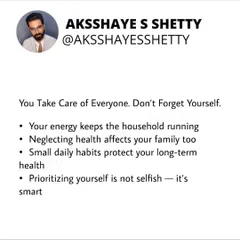
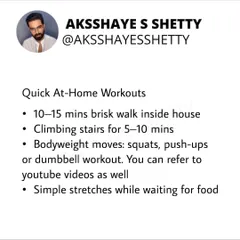
Building a Sustainable and Healthy Lifestyle at Home
 21
21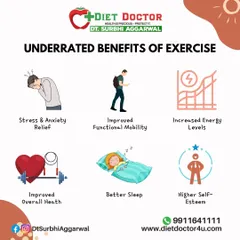
Holistic Lifestyle Habits: A Science-Backed Approach to Wellness
Practical Fitness, Nutrition & Lifestyle Tips for Real Results
More from Medical Nutrition Therapy by Shah Fahad
More services by Shah Fahad