Evidence-Based Nutrition for Women's Health
Women's physiology demands a targeted approach. From managing hormonal balance to optimizing metabolic health, I use science-backed strategies to help you navigate life stages, not generic diet fads.
Ladies, it's time to talk about creatine. It's not just for bodybuilders. I'm sharing why creatine is a game-changer for every woman, supporting everything from strength to brain power.
What is creatine? It's an energy powerhouse found in your muscles and brain that fuels high-intensity activities, both physical and mental.
Why should women care about creatine? Women naturally have 70-80% lower creatine stores than men. Supplementing can significantly boost your strength, brain power, mood, and bone health.
Creatine helps you crush your workouts. Pre-menopause, it provides more strength and endurance. Post-menopause, it is crucial for maintaining muscle size and function.
Beyond muscle, creatine supports brain power and mood. It is shown to boost cognitive performance and can even help reduce depressive symptoms.
Creatine can help create hormonal harmony at every stage. It aids recovery during the menstrual cycle, supports energy during pregnancy and postpartum, and helps counter muscle and bone loss during menopause.
For women aged 40-60, low-impact resistance training is a game-changer. A new study shows it improves strength, balance, and body composition, regardless of menopausal status.
The results in just 12 weeks are mind-blowing: hip strength increased by 19-20%, dynamic balance by 12-13%, and lean body mass by 2%, all with simple, low-impact exercises.
Menopause is not a barrier to getting stronger. The study showed similar improvements in premenopausal, perimenopausal, and postmenopausal women, proving that age doesn't stop you from building strength.
What exercises are included? Simple, effective moves like bodyweight squats and lunges, resistance bands, and light weights (1-5 kg). You can do them at home without a gym.
About Nutrition for Women's Health
Most wellness advice for women is generic, often ignoring how metabolic needs shift with hormonal cycles or specific life stages. My approach starts by looking at your blood markers—not just your weight—to determine if your fatigue, mood swings, or plateaued progress are linked to specific nutrient deficiencies like B12 or iron, or if we need to adjust your approach to resistance training and supplementation.
Moving Beyond Generic Advice
When it comes to women's health, misinformation is rampant. You are often told to cut calories or jump on the latest diet trend, but this rarely addresses the root cause of issues like PCOD, thyroid fluctuations, or menopausal challenges. My work focuses on the physiology of your body, ensuring the advice is tailored to your unique metabolic profile.
The Science of Specific Nutrients
- Creatine for Women: Many women avoid creatine, fearing it is only for bodybuilders. The reality is that women have 70-80% lower creatine stores than men. Supplementing with creatine is not just about muscle; it supports cognitive function, mood stability, and bone density, especially as you age.
- Saffron for Mood: Natural interventions often outperform synthetic alternatives when applied correctly. I look at compounds like saffron, which studies show can significantly support PMS symptoms and mood regulation, acting as a natural ally for your hormonal balance.
Building Longevity
It is not just about the food you eat; it is about how you move and recover. Whether you are pre-menopausal, perimenopausal, or post-menopausal, resistance training is non-negotiable for maintaining lean body mass and bone health. You do not need a gym membership for this; simple, low-impact resistance work at home can drastically improve your strength and balance within weeks.
My Diagnostic Approach
I treat your health as a biological system, not a math problem. When you consult with me, we conduct a full medical audit. We review your existing conditions, medication, and blood work to identify hidden nutritional triggers. We then build a plan that is not about restriction, but about providing your body with the exact fuel and environmental signals it needs to function optimally.
Similar work from other experts
Browse through Curated picks from other experts on mytribe
 35
35

Targeted Nutrition for Every Life Stage


Empowering Women's Health Through Real Nutrition


Personalized Nutrition for Women's Health & Thyroid Care
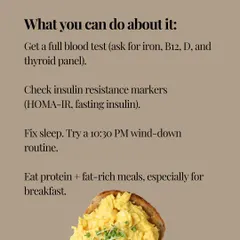
Hormone Balancing with Real Indian Food
PCOS & Hormonal Harmony Nutrition Plans
 6
6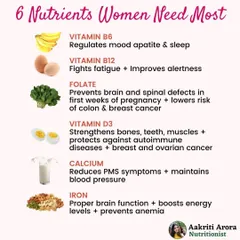

Women’s Health & Natural Beauty Nutrition Tips
More from Medical Nutrition Therapy by Shah Fahad
More services by Shah Fahad