Supplements Decoded: The Science of What Actually Works
The internet is flooded with conflicting supplement advice. I cut through the hype to explain what creatine, collagen, and probiotics actually do—and what they don't.
As we age, muscle loss (sarcopenia) and cognitive decline are major concerns. Combining creatine supplementation with resistance training is a safe, effective, and science-backed strategy to combat both. Let's dive into the science.
What is sarcopenia? It's age-related muscle loss, strength reduction, and functional decline, which can lead to frailty and falls. The good news is that it's reversible with the right interventions, like exercise and targeted supplementation.
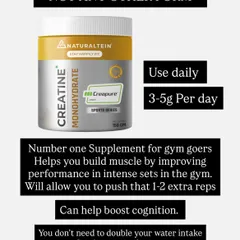
Creatine is a natural compound that boosts energy production, muscle strength, and cognitive function. Supplementation is safe, effective, and widely supported by research as a lifelong essential nutrient.
The combination of strength exercise and creatine improves much more than just muscle. It supports cardiovascular health, cognitive function, energy levels, recovery, and even male and female health.
You can take control of age-related muscle loss. Swipe to learn how the powerful combination of resistance training and creatine can help you maintain strength and vitality as you get older.
Did you know collagen supplements can help manage blood sugar? They work by inhibiting the DPP-4 enzyme, which allows the powerful hormone GLP-1 to work longer in your body, slowing gastric emptying and improving insulin response.
Probiotics are trending, but what about prebiotics and postbiotics? I explain this trio: prebiotics are the fiber that feeds good bacteria, probiotics are the good bacteria themselves, and postbiotics are the beneficial compounds they produce for your gut, brain, and heart health.
What are antioxidants and why do we need them? This series explains how they work and why getting them from food is often better than high-dose supplements.
Antioxidants are molecules that neutralize harmful free radicals in our bodies. They include vitamins C and E, zinc, and compounds from foods like turmeric and grape seed extract.
We get the antioxidants we need from two sources: our bodies produce some, and we get others from foods like fruits, vegetables, and grains. Dietary sources are the foundation of antioxidant defense.
About Supplements Decoded: What, Why, and When
People ask me all the time if they need a mountain of pills for better health. The truth is, most supplements are just support, not a replacement for good food. For instance, if you are taking collagen solely to fix blood sugar without addressing your insulin resistance through diet, you are missing the point. My sessions focus on identifying exactly which supplements, if any, will help your specific physiology, rather than having you waste money on marketing trends.
Beyond the Marketing Hype
There is a massive amount of misinformation online regarding supplementation. From 'fat-burning' teas to magic powders, the wellness industry thrives on people looking for shortcuts. My approach is different: I rely on clinical data to determine what provides a genuine return on investment for your health.
The Essentials of Science-Based Supplementation
1. Creatine for More Than Just Muscles Most people think creatine is only for bodybuilders. Research consistently shows it is a safe, effective nutrient that supports cognitive function, energy production, and strength preservation, especially as we age. It helps combat sarcopenia, or age-related muscle loss, but it works best when paired with resistance training.
2. The Truth About Gut Health Probiotics are a massive trend, but they are often misunderstood. You have to consider the full trio: prebiotics (the fiber that feeds bacteria), probiotics (the bacteria themselves), and postbiotics (the beneficial compounds they produce). Taking a probiotic without addressing your fiber intake or diet is often ineffective.
3. Collagen and Metabolic Health We often talk about collagen for skin, but there is evidence it can assist in blood sugar management by inhibiting the DPP-4 enzyme, allowing your body's own GLP-1 hormones to work more efficiently. It is a tool, not a miracle cure.
Why Personalized Guidance Matters
Supplements are dose-dependent and highly individual. High doses of antioxidants like Vitamin E or Beta-Carotene can actually cause harm if you do not need them. My goal is to prevent you from wasting money on things that won't work for your unique body, or worse, things that could interfere with your medication or overall health. We audit your current intake and identify exactly what your body is lacking.
Similar work from other experts
Browse through Curated picks from other experts on mytribe
Supplement School: What Actually Works & What Is Just Hype
Supplements Demystified: Science vs. Hype
Smart Supplementation: Evidence-Based Fitness Advice
The Science of Supplements & Performance Drugs
 25
25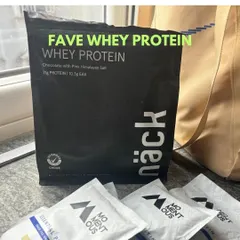
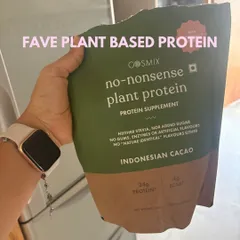
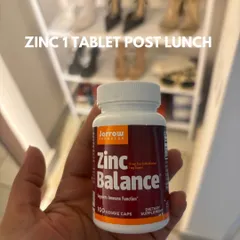
My No-Nonsense Supplement Guide: What I Actually Take
Fitness Supplements: The Honest Truth
More from Medical Nutrition Therapy by Shah Fahad
More services by Shah Fahad