On-Field Strength and Conditioning for Athletes
Strength and conditioning happens beyond the gym. This is how I monitor performance, manage fatigue, and prepare athletes for game-day intensity on the field.
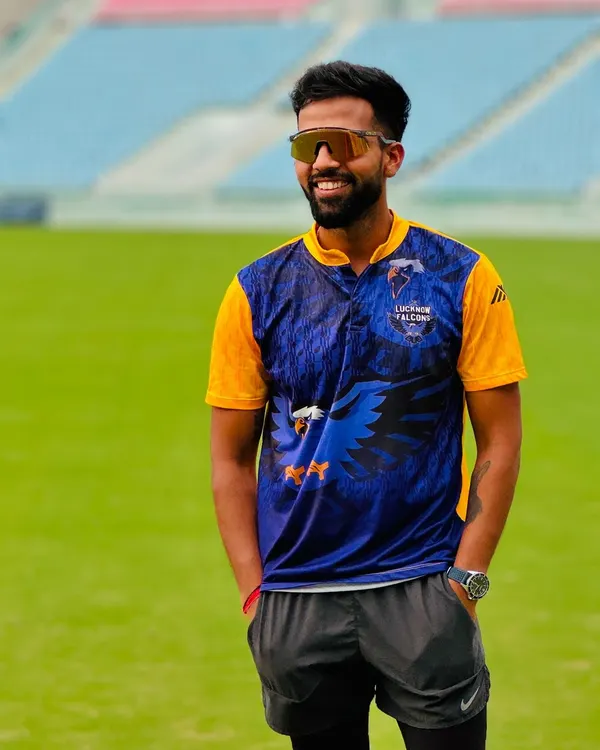
Proud to be part of the Delhi Capitals family. Working with a high-performance team in the IPL environment is a constant process of collaboration, adaptation, and pushing the boundaries of athletic preparation.
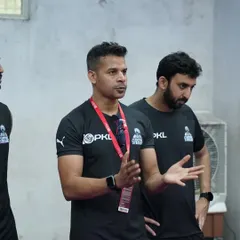
An on-field discussion with an Odisha cricket player. This is where we translate gym-based strength into sport-specific skills, analyzing movement and providing real-time feedback during a training session.
Documenting observations during a field session. Meticulous note-taking on athlete performance, fatigue levels, and movement quality is crucial for adjusting training loads and ensuring long-term development.
Demonstrating a dynamic warm-up drill on the field. It's vital that athletes understand the purpose of each movement, so I often perform the drills with them to coach the finer points of technique and intent.
About On-Field with Professional Athletes
When working with pro teams like the Delhi Capitals or Odisha Cricket, the focus shifts from maximum weight on the bar to strategic readiness. It is rarely about how much an athlete can lift; it is about managing their fatigue levels, tracking movement efficiency, and ensuring they are primed for the next game. I use field-based monitoring to adjust training loads in real time, ensuring we build necessary endurance without compromising recovery or movement quality.
Bridging the Gym-to-Field Gap
Performance on the field is not just a result of hard work. It is a result of intelligent, data-informed preparation. My on-field work focuses on translating gym-based strength into sport-specific skills. When I am on the field, I look for 'kinetic chain leaks'—inefficiencies in movement that cost an athlete power or increase injury risk.
My Approach to Field Performance
- Game-Day Priming: Instead of heavy lifting right before a match, we use low-volume, high-velocity movements. The goal is to stimulate the nervous system without inducing fatigue.
- Fatigue Management: I monitor movement quality during practice sessions. If an athlete's stride changes or their reaction time slows, we adjust the load. It is about understanding that the body has a limited capacity for stress.
- Technical Feedback: My role is to provide real-time cues. Whether it is a dynamic warm-up or a specific cricket drill, I make sure the athlete understands the intent behind every repetition.
Why Monitoring Matters
Coaching is an ongoing assessment. Whether I am using slow-motion video analysis to break down a vertical jump or documenting athlete readiness during a Ranji Trophy practice, the data guides our next steps. I move beyond generic fitness advice to create systems that support long-term athletic development. This approach allows athletes to perform at their peak when it matters most, reducing the risk of burnout or injury. If you are a coach or an athlete looking to align your training with the demands of competitive sport, this is where we start.
Similar work from other experts
Browse through Curated picks from other experts on mytribe
 60
60
Pro Cricket & Sports Performance Coaching On The Field
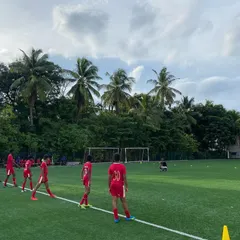
Pro Athlete Strength & Conditioning
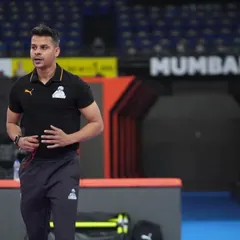
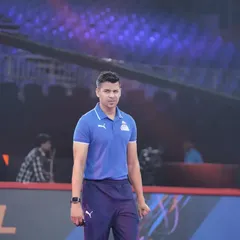
Elite Athletic Performance Coaching in Action
 9
9
Cricket Performance Coaching in Bengaluru
Cricket-Specific Fitness and Strength Training
Off-Pitch Cricket Fitness: Build Your Athletic Foundation
More from Strength & Conditioning Coach Education by Pratyush Agrawal
More services by Pratyush Agrawal