Elite Athletic Performance Coaching in Action
I bring sports science out of the lab and onto the mat. Whether it's Pro Kabaddi or ISL football, my focus is on real-time data application, injury reduction, and building athletes who can handle the pressure of the professional stage.
A light-hearted moment with the Haryana Steelers. Building team morale and a positive environment is just as important as the physical training.
On the mat during a training session in Mumbai with the Haryana Steelers. My role is to ensure the athletes are physically prepared for the demands of combat.
A moment of focus on the sidelines of a Pro Kabaddi League match. Every detail matters when you're competing at the elite level.
Briefing the team before a session. Clear communication is essential to ensure everyone is aligned and ready to get to work.
Explaining the nuances of a drill. My job is to make sure the players understand the 'why' behind every exercise.
Getting the Haryana Steelers battle-ready for Season 10 of the Pro Kabaddi League.
Leading the Haryana Steelers through warm-up drills during the first week of in-season prep.
With the whistle and stopwatch, ready for a conditioning session. The pre-season work is done, now the rubber meets the road.
Observing the players during a strength session. Monitoring form and intensity is crucial for maximizing gains and minimizing risk.
Overseeing a resisted sprint drill. This is how we build explosive power and acceleration that translates directly to the kabaddi mat.
About On the Field with Elite Teams
People see the GPS units and the data screens, but that is only half the story. The real work happens when the data hits the mat—adjusting a drill mid-session because a player’s jump height dropped, or knowing when to push an athlete and when to pull back to prevent injury. My role on the field is not just about collecting numbers; it is about making those numbers actionable for the player in real-time.
Bridging the Gap Between Science and the Mat
Theory is useless if it does not improve performance on the field. In my time working with elite squads like the Haryana Steelers, I have learned that the best data is useless if the athletes cannot understand it. My approach is simple: I use technology like GPS trackers and dynamometers to find the signal in the noise, then I translate that into training cues that make sense during a high-intensity session.
My On-Field Methodology
- Real-Time Load Management: We do not just train hard; we train smart. By tracking variables like player load during pre-season, we can identify fatigue patterns before they become injuries.
- Resilience-First Drills: Whether we are doing resisted sprints or mobility rituals, the goal is not to look good in the gym. The goal is to create a robust athlete who can handle the demands of combat sports and professional leagues.
- The 'Why' Factor: I do not believe in blind obedience. I spend time explaining the biomechanics behind a drill, so the players understand exactly why we are doing it. When an athlete understands the 'why', they commit to the 'how' with much more intensity. Theek hai?
Making Performance a Byproduct
Many coaches chase wins. I chase robust athletes. If we get the preparation right—the mobility, the strength, the recovery—the wins become a natural byproduct. I am not looking to raise angels; I am looking to unleash beasts. If you are a coach or a team looking to integrate this level of rigor into your program, let’s talk about how we can build your infrastructure from the ground up.
Similar work from other experts
Browse through Curated picks from other experts on mytribe
 4
4
On-Field Strength and Conditioning for Athletes
High Performance Athlete Coaching & Sport Science
 60
60
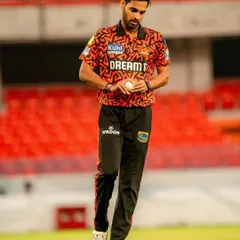
Pro Cricket & Sports Performance Coaching On The Field
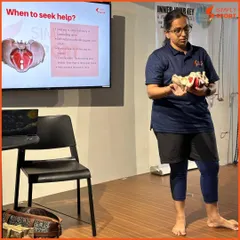
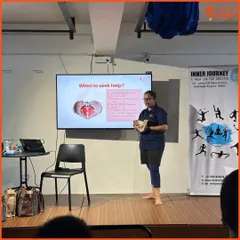
High-Performance Athlete Assessments and Elite Trial Protocols
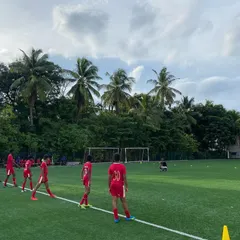

Pro Athlete Strength & Conditioning
 6
6
Science-Based Athlete Coaching and Performance Training
More from Professional Development for Coaches by Ranjit Nahak
More services by Ranjit Nahak