Advanced Strength and Conditioning Techniques in Action
This is where sports science meets the gym floor. I use these protocols to develop raw force, improve spinal health, and optimize athletic output using evidence-based methods.
A look at a two-part method for force production. We start with a heavy strength movement to recruit motor units, then immediately transition to a high-velocity power exercise to apply that force with speed.
The Cross Crawl Superman is a fundamental pattern for spinal health and coordination. This exercise engages both brain hemispheres and improves contralateral movement, which is essential for almost all athletic actions.
Here's a practical example of using a long-duration activity to recover a short-duration system. After multiple sets of heavy power cleans, a brief period of skipping helps recharge the nervous system to maintain bar velocity.
This is Velocity Based Training (VBT) in practice. I'm using a device to measure the speed of my push jerk, ensuring I'm training in the correct zone for speed-strength development, complemented by rotational work between sets.
Recovery between high-intensity sets doesn't have to be passive. This video shows active recovery protocols like isometric lunges and variable bounding to keep the nervous system engaged and promote efficient recovery.
About Advanced Training Techniques in Action
You will notice I rarely sit still during rest periods in these videos. I use active recovery protocols—like isometric lunges or variable bounding—to keep the nervous system engaged. It is about maintaining bar velocity for the next set, not just catching your breath. This simple switch is how we ensure we are training for speed, not just fatiguing the muscle.
Advanced training isn't just about lifting heavier weights; it is about managing the nervous system and understanding biomechanics. When I work with athletes from teams like Odisha Cricket or Delhi Capitals, we look at the 'force-velocity curve' to decide exactly how to train on any given day.
Core Training Modalities
- Velocity Based Training (VBT): We track the speed of every rep to determine if the athlete is training for strength, speed-strength, or pure velocity. If the bar slows down, the physiological stimulus changes, and we adjust immediately.
- Active Recovery: Passive rest often leads to nervous system stagnation. By performing low-level plyometrics or isometric holds between heavy sets, we maintain the body's readiness for the next high-intensity effort.
- Spinal Health & Corrective Work: Techniques like ELDOA (Longitudinal Osteo-Arthritic Decoaptation Stretches) and Myofascial Stretching are non-negotiable for athletes who need to maintain spinal integrity throughout a long season.
- Force Production: We often pair heavy compound lifts with high-velocity power exercises. This method, sometimes called complex training, uses the initial heavy load to recruit motor units, allowing the athlete to move faster immediately after.
Everything you see here is designed to improve athletic performance while minimizing injury risk. If you are a coach looking to move beyond textbook theory, or an athlete wanting to understand your own movement patterns, these are the techniques that bridge the gap.
Similar work from other experts
Browse through Curated picks from other experts on mytribe
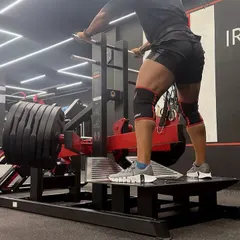
Advanced Training Protocols for Muscle Growth & Strength
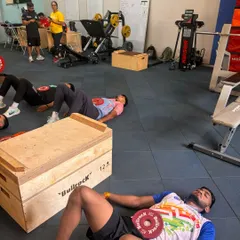
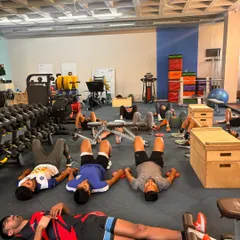
Science-Backed Training Drills
 12
12
The Science of Strength & Conditioning
Strength and Conditioning Research & Training Insights
Science-Based Exercise Technique and Biomechanics Breakdowns
Advanced Strength & Power Training
More from Strength & Conditioning Coach Education by Pratyush Agrawal
More services by Pratyush Agrawal