My Diagnostic Process: Getting to the Root Cause
Stop chasing symptoms and start finding the cause. My diagnostic process combines clinical assessments, X-ray interpretation, and blood work to build a treatment plan that actually works.
This is why I charge a consultation fee. I'm showing the detailed assessment sheet I create for every patient, tracking their history, test results, and progress session by session. This meticulous process ensures the treatment plan is precise and effective.
If your doctor isn't explaining your X-ray like this, you need a new doctor. Here, I break down a lumbosacral spine X-ray for a 62-year-old male, explaining concepts like anterolisthesis, disc space reduction, and osteophytes in simple terms.
This video shows how a spine can deteriorate over three years without proper treatment. I compare a patient's 2020 X-ray to her 2023 MRI, showing how her cervical spondylosis progressed to cervical radiculopathy. Don't delay your treatment.
A patient ignored on-and-off shoulder pain for years, which turned out to be a severe C4-C5 disc extrusion compressing his spinal cord. This is why I insist on radiological findings like an MRI. A "minor" pain can be a sign of a major problem.
This patient was misdiagnosed with sciatica by a dentist and given steroid injections that didn't work. My assessment and X-ray revealed the real issues were kidney stones and sacralization of the L5 vertebra. A correct diagnosis is critical.
Before starting treatment, I often recommend these 6 common blood tests, including Vitamin D, B12, and CBC. These tests help me understand underlying issues like inflammation, anemia, or deficiencies that can affect recovery and require a modified treatment plan.
Many people think physiotherapy is just machines. This video explains why a thorough consultation and assessment are the most important part of my job. This is how I create a personalized exercise protocol instead of just hooking you up to a machine.
Here I am performing a knee-jerk reflex test. This is part of a standard neurological screening to check the integrity of the neural pathways. It's a quick and simple test that provides valuable diagnostic information.
About My Diagnostic Process: Finding the Root Cause
Every session at my clinic starts with a paper—my detailed assessment sheet. I track your history, movement patterns, and progress session-by-session using specific colored markers. If a physio is not documenting every change to your mobility and strength, they are simply guessing, not treating.
Many people come to me saying their previous doctor just gave them a TENS machine or some heat therapy. That is not physiotherapy. My diagnostic process is about finding the root cause of your pain, not just masking it.
Why I insist on diagnostics
I do not start treatment based on a hunch. I look at your X-rays and MRIs to see what is happening to your bones and discs. I have treated patients who were misdiagnosed by others because they skipped these steps. In one case, a patient came to me with 'sciatica' symptoms, but our screening and reports revealed it was actually kidney stones causing the referred pain. That is why I perform a thorough clinical assessment, order blood tests if necessary (to check for Vitamin D, B12, or inflammatory markers), and do not rely on guesses.
What to expect during consultation
When you book a consultation with me, you are paying for my expertise and the 15 to 20 minutes I spend analyzing your specific biomechanics. We will check your:
- Range of Motion: How your joints are actually moving.
- Neurological Integrity: Checking reflexes to ensure your nerves are firing correctly.
- Movement Patterns: Analyzing how you walk, sit, or lift.
After this, I build a custom exercise protocol. If you are looking for a quick fix, I am not the right person. If you are looking to fix the underlying issue through movement and dedication, then we have work to do. Bring your reports, bring your previous scans, and let us start fresh.
Similar work from other experts
Browse through Curated picks from other experts on mytribe
Our Evidence-Based Approach to Pain Relief
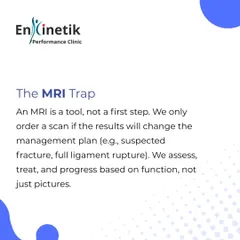
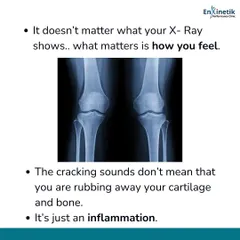
Do You Need a Scan for Your Sports Injury?
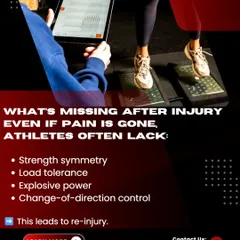
Scientific Injury Rehabilitation and Prevention


The Root Cause Method: Nutrition and Health Education
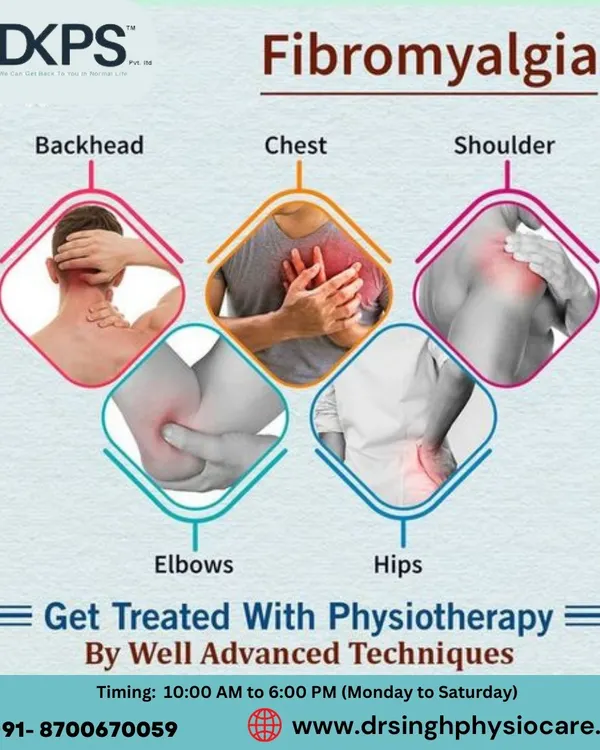 7
7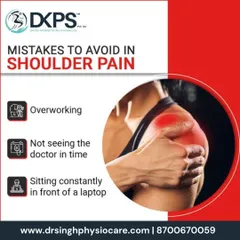
Understanding Pain and Our Healing Techniques


Healing from Within: A Scientific Approach to Root Cause Nutrition
More from Neurological Rehabilitation by Shruti Raj
More services by Shruti Raj