Behind the Scenes: The Science of High Performance
High performance is not accidental. It is a systematic process built on daily habits, relentless focus, and data. This is a look at the grit behind the game.
Prep on point. A moment with the coaching staff and players, discussing the plan for the session. Alignment and communication are crucial.
Off-the-feet conditioning using heart rate-based Wattbike sessions. This allows us to improve cardiovascular fitness without the high impact of running.
Staying true to the purpose and process. A quiet moment of instruction with the players, ensuring everyone understands the goal of the drill.
Surfing the high and low tides of pro sports. The life of a coach involves constant travel, moving from one city to the next to compete.
With the pre-season behind us, the rubber meets the road. A candid shot during a training session, focused and ready for the work ahead.
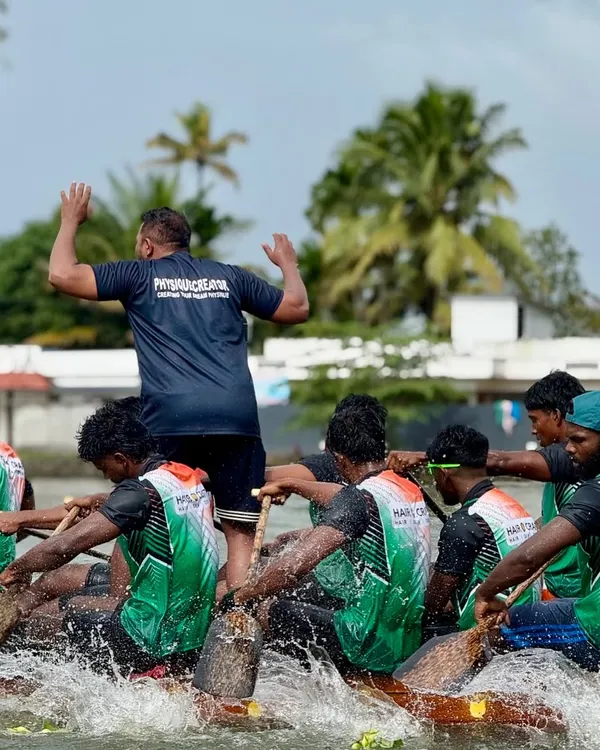
Bhailog, let's understand Fleming's right-hand rule. Using humor and simple analogies to explain complex concepts during a team talk.
The team together during a pre-season gym session. The camaraderie built here is as important as the physical strength we develop.
A synchronized mobility drill. The entire team moving as one, focusing on thoracic rotation to improve flexibility and prevent injuries.
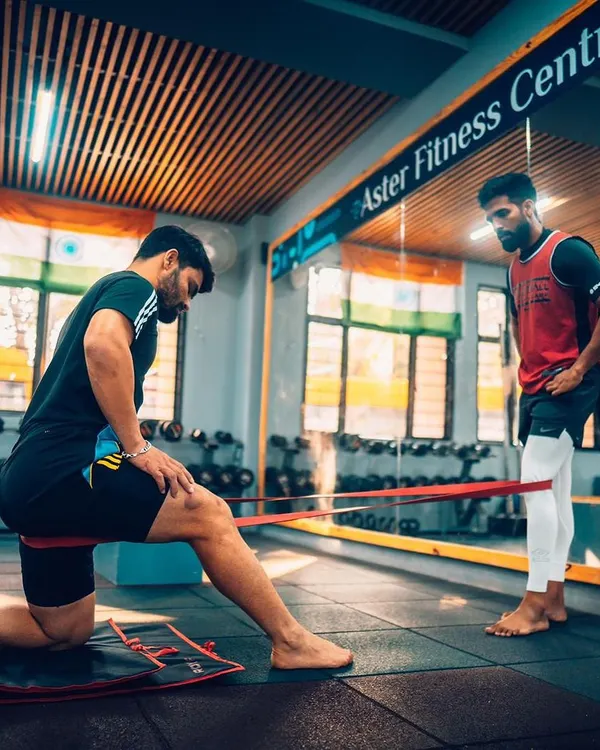
A conversation with one of the players during a gym session. Individual attention and feedback are key to athlete development.
The team warming up with a light jog on the indoor track. Every session starts with a structured plan to prepare the body for the work to come.
About Behind the Scenes: The Daily Grind
Most athletes think the work stops when they leave the field, but that is where the training actually begins. Between monitoring recovery metrics, analyzing Wattbike data to manage workload, and drilling specific mobility patterns, we are constantly adjusting the system. It is not just sweat and effort; it is about having a precise, evidence-based roadmap to keep you explosive and off the injury list.
Success on match day is simply the output of the work done in the dark. My path into sports science started with engineering, which is why I view athletic development as a technical problem to be solved, not just a physical challenge to endure. Whether I am working with a professional Kabaddi team or a dedicated individual athlete, the process remains the same.
The Daily Grind
- Data-Driven Load Management: We don’t guess. By monitoring sleep quality, resting heart rate, and GPS data, we identify the exact point where training needs to be adjusted. If you are burning out, we pull back. If the data shows capacity for more, we push.
- Injury Reduction Architecture: The best athletes are the ones who stay available. We focus heavily on eccentric strength and reactive core stability to ensure that bodies are armored against the specific demands of your sport.
- Recovery as a Weapon: From ice baths to breathwork protocols, recovery is part of the training cycle, not an afterthought. We train the nervous system to switch states efficiently so you can go again, day after day.
Why This Approach Works
I have seen too many athletes with talent get sidelined because they trained harder instead of training smarter. I teach the 'Force-Velocity' curve and movement mechanics because knowing how to lift a heavy weight is useless if you cannot apply that power on the field under fatigue. If you are ready to stop leaving your performance to chance and start building a system that actually yields results, let's get to work. Theek hai?
Similar work from other experts
Browse through Curated picks from other experts on mytribe
Athletic Performance Training: A Glimpse Into The Daily Grind

High Performance Coaching Insights and Athlete Recovery
 132
132

The Daily Grind: Building Real Strength
 6
6
Science-Based Athlete Coaching and Performance Training
 8
8Real Sports Performance Coaching in Action
 9
9


My Journey: From Corporate to Endurance Athlete
More from High-Performance Coaching for Athletes & Teams by Ranjit Nahak
More services by Ranjit Nahak