High Performance Coaching Insights and Athlete Recovery
Beyond the platform, true athletic performance relies on a foundation of calculated recovery, mental acuity, and mobility. Here is a look at the holistic methods I use to help athletes sustain peak physical output.
Animal Flow is one of my preferred methods for active recovery sessions. These movements improve mobility, stability, and body control without adding heavy stress to the system.
A conditioning session on the track with athletes. We're working on speed, agility, and endurance with a variety of drills including sprints and ladder work to build a well-rounded physical base.
A moment of reflection in the gym. My journey to becoming a strength and conditioning coach wasn't planned, but I'm grateful for where it has led me.
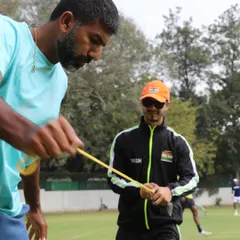
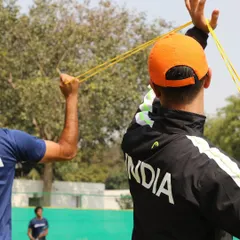
A quiet moment of focus in the gym. Hand-eye coordination and concentration are mental skills that are just as important to train as physical ones.
On the field at sunset. It's important to focus on your own journey and progress, as comparison is often the thief of joy.
On the track with a stopwatch, living the coaching lifestyle. High performance is not just a job, it's a commitment to a way of life.
About Additional Work & Insights
Recovery is not passive time off, it is an active component of your training cycle. I often integrate techniques like Animal Flow into my sessions, not to fill time, but to actively improve mobility and joint stability without overloading the central nervous system. When we are not chasing personal bests on the platform, we are sharpening the focus and movement quality that make those big numbers possible in the first place.
The Science of Longevity
High performance is not sustainable if you only focus on the load. My approach to training involves a deep understanding of the force-velocity spectrum. When I prescribe mobility work or active recovery, it is because I need your musculotendinous stiffness to be optimal, not just tight. Athletes often neglect the micro-cycles of rest, which can lead to stagnant performance or, worse, injury.
Building the Mental Engine
Physical strength is useless without the cognitive capacity to apply it. Whether I am working with a cricketer at the nets or a powerlifter in the gym, we train for hand-eye coordination and mental focus. These are measurable skills, just like a deadlift or a sprint time. We treat these 'mental reps' with the same seriousness as our compound lifts.
My Philosophy on Coaching
My work in Bengaluru involves more than just counting reps. I aim to educate athletes on why we perform specific drills. If you are training at my facility in RMV 2nd Stage, you will understand the mechanics of your movement. We prioritize:
- Movement Audit: Identifying asymmetries early to prevent injury.
- Active Recovery: Using flow-based movements to aid systemic recovery.
- Evidence-Based Programming: Adjusting loads based on velocity metrics rather than guesswork.
Ultimately, my goal is to guide you to a point where you understand your own body, allowing you to train with autonomy and consistency.
Similar work from other experts
Browse through Curated picks from other experts on mytribe
 4
4
Elite Sports Rehabilitation & Performance Highlights
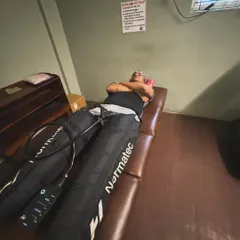
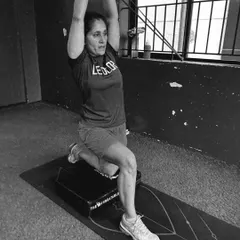
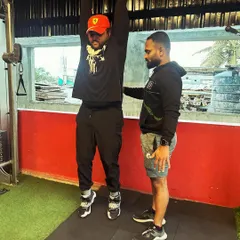
Strength Training and Recovery Work at A3 Performance
Mobility and Recovery Training for Peak Athletic Performance
Performance Training Methods and Insights
Strength and Performance Training in Bengaluru
 6
6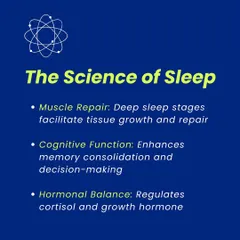
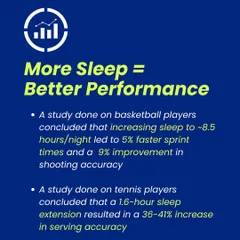
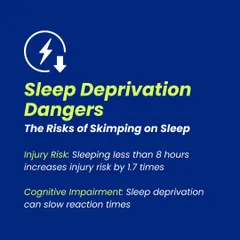
Science-Based Athletic Recovery and Sleep Performance
More from Strength & Conditioning for Athletes by Snehit Rai
More services by Snehit Rai