Developing Future Champions: Scientific Youth Training
I believe in building athletes from the ground up. Before we talk about medals or heavy weights, we master the basics of movement, coordination, and professional discipline.
You truly do not become a 'coach' until you have coached younger athletes. Here, I'm working with a young gymnast, focusing on building foundational strength and instilling a professional mindset.
Catch 'em young, teach 'em young. Guiding a group of young gymnasts through a squatting technique session using PVC pipes to ensure proper form and movement patterns.
A group of young gymnasts practicing overhead lunges. These foundational exercises build stability, coordination, and strength, which are crucial for long-term athletic development.
Teaching the basics of the deadlift movement to young athletes. Proper technique from a young age is the best way to ensure safety and maximize future strength gains.
A wide shot of a strength and conditioning session with young gymnasts. It's rewarding to see their focus and dedication as they learn the fundamentals of training.
The young athletes are coachable, moldable, and have an accelerated adaptation curve. It's a joy to help shape their athletic journey.
A group of future champions learning the proper form for a squat. Building these solid foundations now will pay dividends throughout their athletic careers.
About Developing Future Champions
You will notice the kids in these photos working with PVC pipes instead of heavy iron. This is not for show. It is about teaching the nervous system how to move properly before we ever add external load. If they learn to squat, hinge, and lunge with perfect technique now, they avoid the movement leaks that plague athletes when they reach the professional leagues.
Long-Term Athletic Development
True performance is not built overnight. When working with young athletes, the goal is not to maximize immediate output but to build a robust foundation that lasts a lifetime. We focus on the 'why' behind every movement.
Movement Mechanics & Motor Control
The photos here show our work with young gymnasts. We use lightweight implements to prioritize form. By focusing on ankle dorsiflexion, hip mobility, and spinal stability, we ensure the body functions as a unified kinetic chain. This is the difference between an athlete who is constantly injured and one who stays on the field.
Building a Professional Mindset
Sports are not just about physical capacity. We emphasize the routine, the focus, and the work ethic required to be a pro. Whether it is learning how to warm up properly or understanding the importance of recovery even at a young age, we treat them as aspiring professionals.
My system for youth development includes:
- Motor Learning: Prioritizing quality of movement over quantity of repetitions.
- Body Armouring: Specific drills to strengthen tendons and ligaments, preventing common childhood sports injuries.
- Cognitive Engagement: Teaching young athletes to think about their own body mechanics, not just follow instructions blindly.
This approach ensures that when they eventually transition to specialized sports or higher-level competition, they have the physical literacy to adapt and excel without breaking down.
Similar work from other experts
Browse through Curated picks from other experts on mytribe
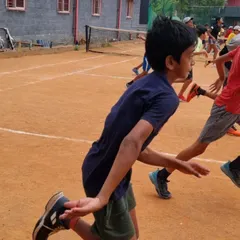
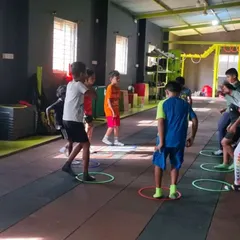
Building Future Champions through Youth Athletic Training
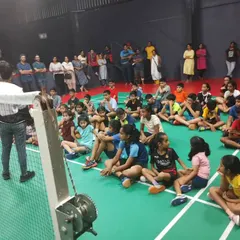
Strength and Conditioning for Young Athletes
 7
7

Youth Athlete Development: Building Speed, Agility, and Discipline
Our Coaching Philosophy in Practice
The Tumble Gym Advantage: Gymnastics for Development
My Evidence-Based Approach to Training Philosophy
More from High-Performance Coaching for Athletes & Teams by Ranjit Nahak
More services by Ranjit Nahak