Sustainable & Repurposed Architecture Projects
We believe architecture should leave the land better than we found it. From rewilded spaces to reimagined containers, our designs bridge the gap between human needs and the natural world.
A closer look at the repurposed shipping container tower at our Earth Alive project. This structure demonstrates how industrial materials can be transformed into functional and playful architecture, creating a vertical viewpoint to observe the surrounding rewilded habitat.
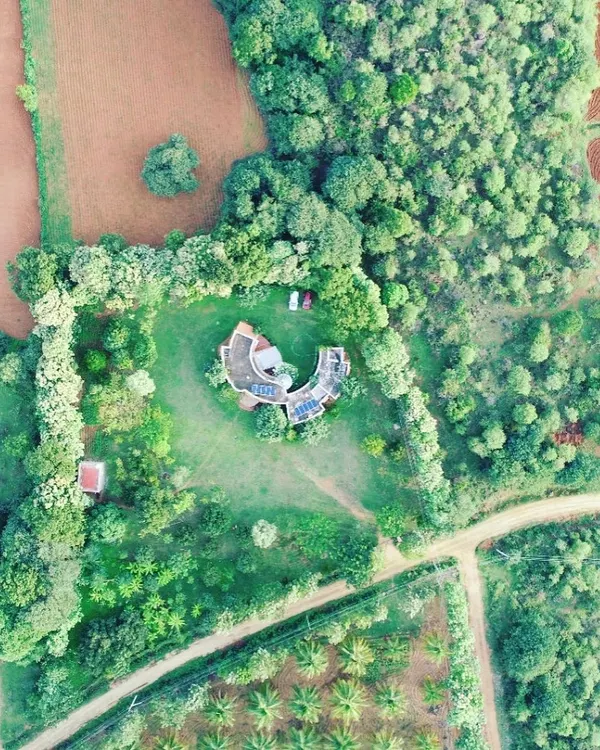
The Earth Alive lab, seen here nestled in a meadow, is a living example of our commitment to sustainable living and container architecture. The project uses repurposed containers to create spaces for art, education, and team activities that embody slowness and diversity.
Our design for a golf clubhouse uses old shipping containers and repurposes an existing shed. This architectural drawing shows how we can create modern, functional community spaces through the creative reuse of materials, a core tenet of our sustainable design practice.
Sustainability is woven into the very layout of our projects, as shown in this site plan for the BHU institute. The design incorporates green roofs, natural water collection zones, and strategic building placement to maximize daylight and minimize environmental disturbance.
About Sustainable & Repurposed Architecture
Turning shipping containers into habitable spaces isn't just about stacking steel boxes. It’s a precise engineering exercise in structural reinforcement and thermal management. We meticulously detail secondary parasol roofs, specialized insulation, and cross-ventilation strategies to ensure these structures stay comfortable, heat-proof, and energy-efficient in any climate.
For us, sustainability is not an added feature or a box to tick. It is a fundamental choice to work with the land rather than against it. Whether we are transforming discarded shipping containers into a vertical viewpoint at Earth Alive or siting a new institutional campus at BHU, our process starts with deep listening.
The Engineering of Reuse
Adaptive reuse—taking an existing shed or a container and giving it a new life—requires a shift in perspective. It means evaluating the structural integrity of what already exists, identifying how to cut and reinforce steel without losing stability, and ensuring the interior environment is optimized for human comfort. We prioritize concealed electrical and plumbing layouts to maximize the often-limited space within a container, creating functional areas that feel open and airy.
Designing with the Trees
Our masterplanning approach is site-sensitive. At the Institute at BHU, we refused to clear the land. Instead, we let the existing trees dictate the layout, allowing buildings to drop into the gaps between them. This approach does more than preserve greenery; it creates naturally shaded pockets and keeps the landscape’s hydrological cycle intact. By focusing on passive cooling zones and aquifer recharge spots, we ensure the infrastructure supports the ecology of the site.
Why It Matters
Every project we take on is a study in materials and impact. We use local mud blocks, bamboo, and stone to lower the carbon footprint, and we teach local masons how to execute these techniques. It is rarely a perfect process, and sometimes it is messy, but that is the reality of working with nature and community-driven design. We are here to create spaces that heal, empower, and stand the test of time.
Similar work from other experts
Browse through Curated picks from other experts on mytribe
 35
35
Sustainable Architecture and Eco-Friendly Construction Projects
 6
6
Innovative & Sustainable Architecture
 8
8
Featured Ecological Architecture Projects
 27
27
Climate-Responsive & Sustainable Architecture
 8
8
Sustainable Industrial Architecture & Factory Design
Sustainable and Human-Centric Architectural Designs
More from Community & Social Impact Architecture by Mistry Architects
More services by Mistry Architects