Designing for Education & Community: Spaces for Learning
We create spaces that nurture learning and foster connection by working hand in hand with the people who will use them. Our designs for schools, community hubs, and public spaces are born from listening to local stories.
This article spread details our work with the Agastya Foundation, where we designed an Art School and Bio Diversity Centre. The project was inspired by the creativity of rural children and the natural forms of the local environment, reflecting our sensitive and contextual approach to educational architecture.
Our community and social impact projects are diverse, from the post-earthquake rebuilding of schools in Nepal to the creation of sustainable educational facilities. This image collage highlights the human scale of our work, like the accessible prayer wheels, and our large-scale institutional designs.
This site plan for the Institute of Environmental & Sustainable Development at BHU shows how we integrate nature into our master planning. We preserved existing trees as nodal points and designed natural water holding ponds to recharge aquifers, making the landscape an active part of the campus.
A concept sketch for the BHU institute, illustrating how residential and academic blocks are placed carefully amongst the trees. This approach minimizes our impact on the site and ensures the natural character of the land remains the defining feature of the campus.
This sketch explores different building forms for the BHU campus, including an elevated structure with circular openings. Our process involves exploring multiple design ideas that prioritize harmony with the environment and create unique, interactive spaces for students and faculty.
This is a concept drawing for a junior golfers' clubhouse, which features a brick amphitheater for community events. The design focuses on social interaction and learning, repurposing old shipping containers to create a sustainable and cost-effective structure.
About Designing for Education & Community
We don't just draft blueprints. For our institutional projects, we start with a participatory workshop, sitting down with students, teachers, and locals to map out their needs. Whether it's a prayer wheel at a child's height or a campus layout that saves every existing tree, our designs emerge from these conversations, not just our drawing boards.
Our institutional work follows a simple rule, if the site has trees, they decide the layout. At the Institute of Environmental & Sustainable Development at BHU, we refused to clear land. Instead, we dropped the buildings between the trees to keep the soul of the campus intact. This is how we approach every educational project, from schools in Nepal to biodiversity centers in rural regions.
Sustainability is not a box to tick, it is how we survive. We look for local materials like mud blocks and bamboo to keep the carbon footprint low. At the Agastya Foundation, we designed an art school that drew inspiration from termite mounds. The goal was to build a structure that felt like it belonged to the earth, not one that sat on top of it.
We prioritize adaptive reuse wherever possible. Our golf clubhouse design, for instance, repurposes old shipping containers to create cost-effective, durable spaces for junior golfers. This method lets us build faster and with far less waste. We believe architecture should be messy, honest, and full of life. We are not interested in sterile buildings. We build spaces that change as people use them, allowing for growth and interaction. If you have an institutional or community project that needs a thoughtful, nature-first approach, we are here to listen.
Similar work from other experts
Browse through Curated picks from other experts on mytribe
 7
7
Sustainable Architectural Design for Learning Spaces
 45
45
Educational & Community Spaces
 37
37
Institutional and Community Architecture Projects
Institutional and Educational Architectural Design
 13
13
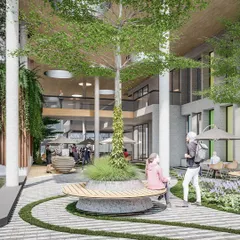
Designing Community Spaces and Hospitality Projects
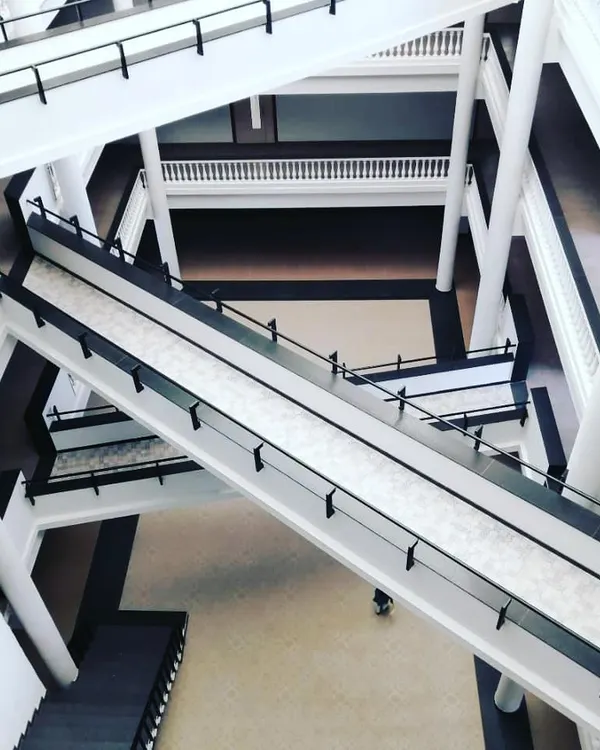 9
9
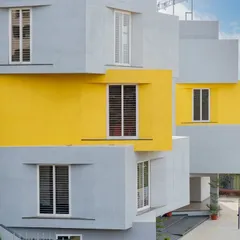
Institutional and Community Architecture Services
More from Community & Social Impact Architecture by Mistry Architects
More services by Mistry Architects