Community & Social Impact Architecture in Bengaluru

We design community spaces with the people who use them, using local materials and sustainable methods to make sure every project fits its environment and supports real social impact.
Pricing Guide
ESTIMATESAbout Community & Social Impact Architecture
What Drives Us
I believe architecture should go beyond buildings - it’s about shaping experiences and sparking real connections. Our work is all about creating spaces that bring people together and reflect their culture and environment. For us, it’s not just construction, it’s building with purpose.
How We Work
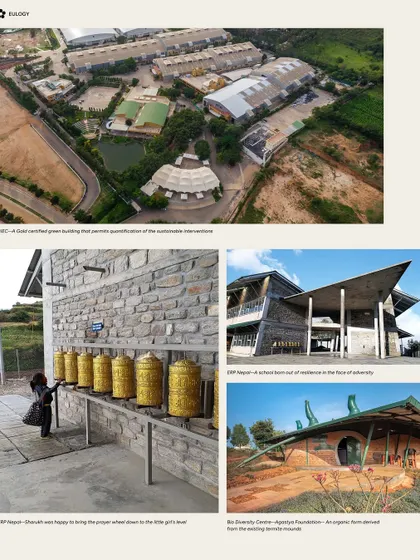
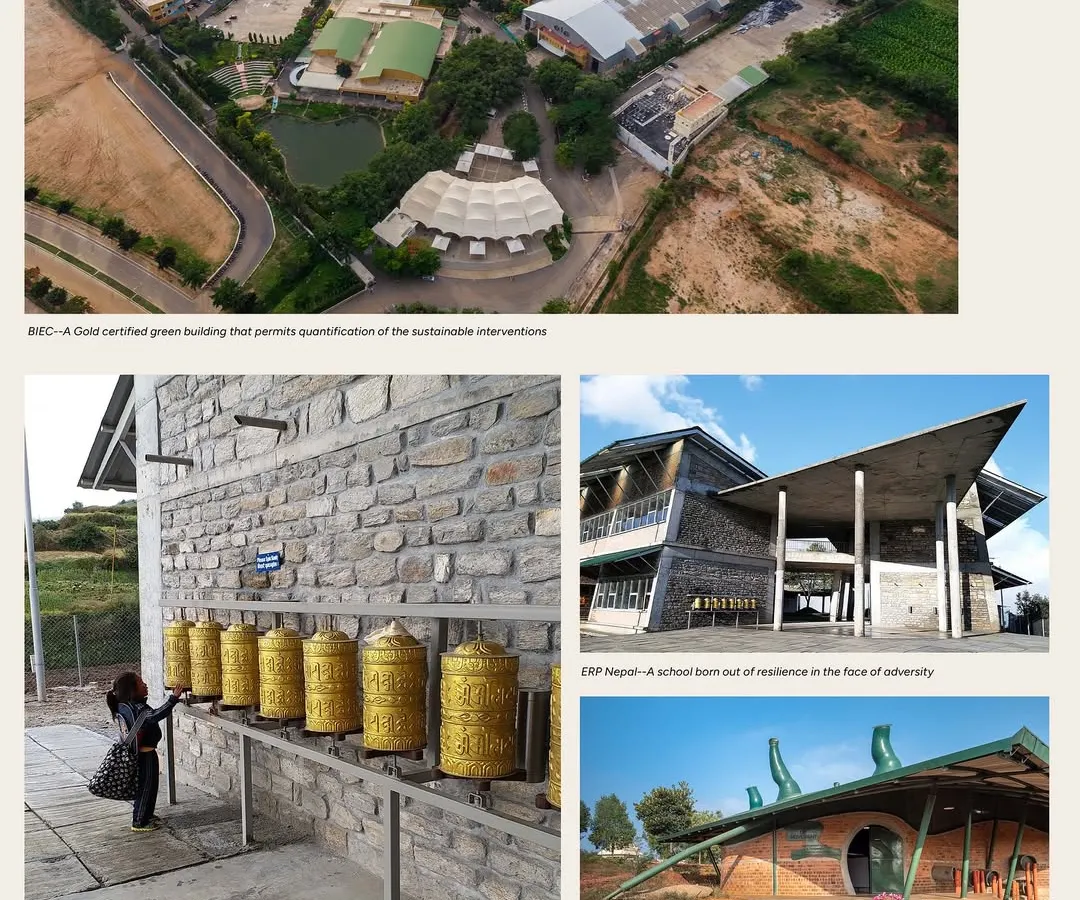
We don’t just roll out plans and expect communities to adapt. Instead, I sit with people, listen to their stories, and build together. It’s a hands-on, participatory design in architecture approach. Whether it’s a prayer wheel designed for little hands or a community hub that doubles up as a school, every detail grows from the people who’ll use the space.
Snapshots from Our Journey
- In Nepal, after the earthquake, we rebuilt schools and homes, focusing on resilient community spaces. We made sure local art and symbols found a place, so buildings felt familiar and healing.
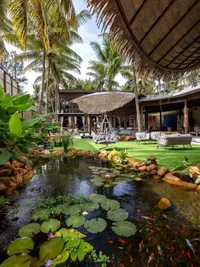
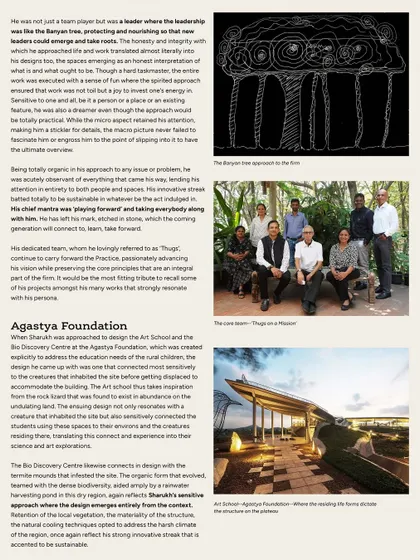
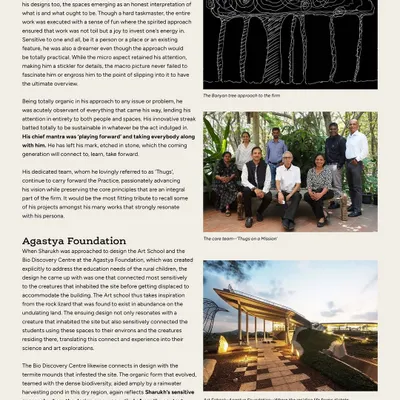
- At Agastya Foundation, sustainable school architecture meant working with nature - a bio centre inspired by termite mounds, ponds that support local biodiversity, nothing goes waste.
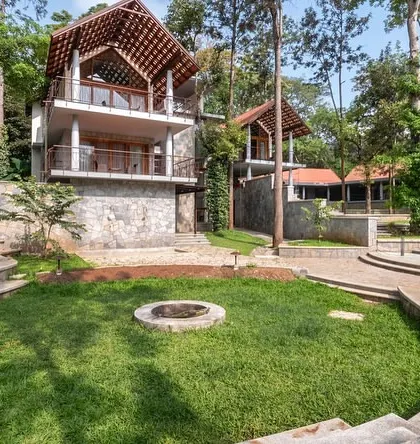
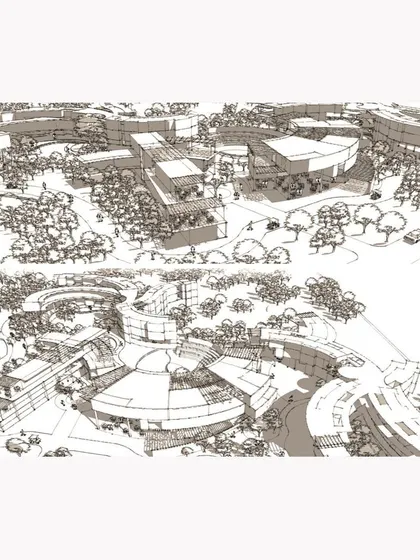
- Institute @ BHU, we let the trees decide the layout. Buildings dropped ‘between the trees’ to keep the land’s soul intact.
The Mistry Way
- Sustainability is non-negotiable - rainwater harvesting, reusing materials, keeping things green and local.
- Designs flow from nature. Spaces feel like they belong, not forced.
- We always use local materials in social projects, mixing tradition with the new.
- End goal? Spaces that empower, heal, and keep communities thriving.
It’s not perfect, sometimes the process is slow or messy, but that’s real. Every project is a learning curve - and that’s what keeps it honest.
Highlights
Browse through Mistry Architects's best work
Meet your Expert
Mistry Architects
My Story
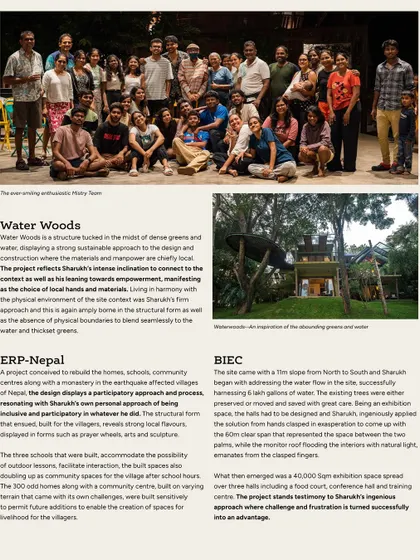
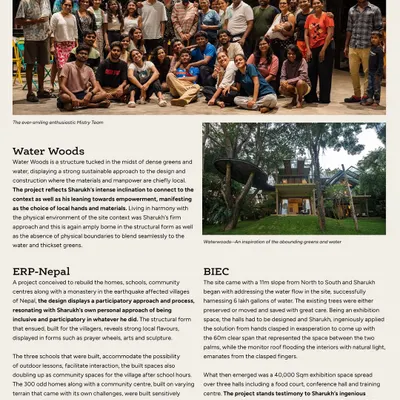
We’re Mistry Architects, but friends call us ‘Thugs of Mistry’s’—a name Sharukh, our late founder, tossed around with love and laughter. Our studio’s a wild mix of art, nature, and pure team energy. We’re big on celebrations, be it Dasara or random road trips. For us, it’s about building spaces where you feel the earth and the people—sometimes messy, always full of heart.
My Work
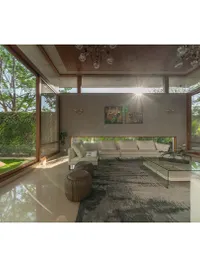
What We Do - We design homes, schools, hotels, interiors, and take on conservation and socially relevant architecture.
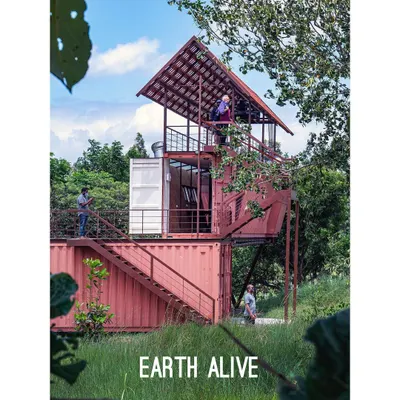
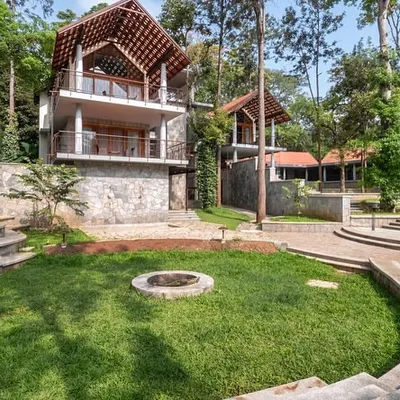
Nature-Centric Design - Our buildings vibe with local flora, rewilded living spaces, and keep the landscape breathing.
Handmade & Local Materials - We love exposed concrete, achukal brick, and handmade vernacular details that show off craft.
Art, Function & Bio-Inspiration - Design, art, and bio-inspired ideas mix together—spaces aren’t just useful, but a bit magical too.
Old Meets New - We blend existing structures with fresh ideas; drama and learning come from weaving stories together.