Sparring and Combat Drills for Self-Defense Readiness
Don't just learn the moves, learn how to use them. Sparring is where you find out what works when the pressure is on.
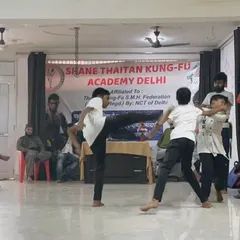
This is a clip from a karate kumite session. We are practicing close-range engagement, focusing on blocking, countering, and maintaining a strong stance while under pressure from an opponent.
Training doesn't always happen on a mat. Here we are sparring outdoors, getting used to uneven ground and a different environment, which is crucial for real-world readiness.
A glimpse into a group training session where students are practicing their kicking and movement drills together. This builds stamina and ensures everyone's technique is sharp and synchronized.
This video shows a dynamic sparring exchange. The focus here is on fluid movement and quick transitions between offense and defense, a key aspect of competitive karate.
A powerful kick can end a confrontation quickly. This clip shows the result of a well-timed and powerful kick during a sparring match, demonstrating the effectiveness of proper technique.
About Sparring & Combat Drills
Sparring in my dojo is not about winning a medal; it is about learning to stay calm when things get chaotic. When you step onto the mats at my Kingsway Camp facility, you will practice with partners of different sizes and strengths. This helps you get comfortable with the uncomfortable, ensuring you do not freeze if you ever face a real threat on the street.
Technique is only half the battle. You can memorize a thousand moves, but if you have never applied them against a resisting opponent, they will not help you in a crisis. This is where we bridge the gap between theory and reality.
Why We Spar
In our combat drills, we focus on three things: distance management, timing, and reaction speed. Whether you are training for competition or personal safety, the goal is the same—to develop the muscle memory required to defend yourself instinctively. We use semi-contact sparring and partner drills to simulate real-life confrontations, teaching you how to block, counter, and control an attacker without needing brute strength.
Training Environment
We train in a non-AC, hardcore environment because real-world scenarios do not happen in climate-controlled rooms. You will get tired, you will sweat, and you will learn to push through that fatigue. This builds the mental toughness required to handle high-pressure situations, a method I have used while training Delhi Police teams and professional athletes.
What You Will Master
- Close-Range Engagement: Controlling the space between you and your opponent.
- Defensive Reflexes: Blocking and countering under simulated pressure.
- Real-World Scenarios: Practice against rear holds, grabs, and cornering attempts.
- Confidence: Learning that you can take a hit and keep fighting.
Whether you are a beginner or looking to sharpen your competitive edge, my classes are designed to make you 'asli sher' (a real lion). No shortcuts, just hard work and proper technique.
Similar work from other experts
Browse through Curated picks from other experts on mytribe
Kumite: Real-World Sparring and Combat Confidence
Sparring and Self-Defense Training in New Delhi
Kumite Sparring: Expert Shito-ryu Combat Training
Shito-ryu Kumite and Sparring Drills
Live Sparring and Real Fight Drills for Street Survival
Sparring and Pad Work Training in Delhi NCR
More from Self-Defense Training by Rravi Dutt Bhardwaj
More services by Rravi Dutt Bhardwaj