Our Architectural Design Philosophy & Process
At JMA, architecture is a dialogue between site, history, and human experience. Here is how we translate site context into built form.
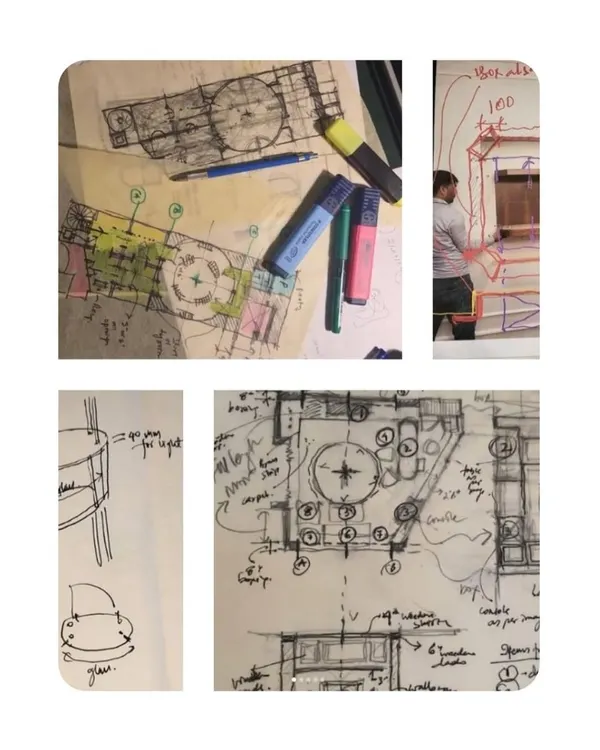
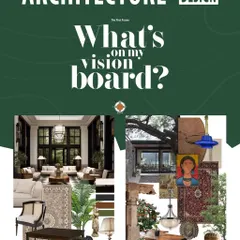
My design process is an evolving narrative. The mood board creation draws cues from the site’s historical elements, cultural essence, and climatic conditions. Sketching on-site is a practice I follow religiously to capture initial ideas before the concept begins to pour in.
I always say, take a look around, the design will follow. The site context is where ideas take shape and grow. Understanding the land’s unique character is not just a canvas for my buildings but a fundamental collaborator in the design journey.
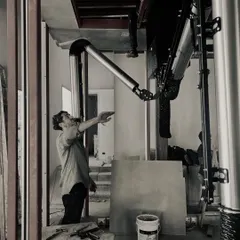
The design process starts on site. Here, I am reviewing plans and discussing the context with my team. Understanding the land's unique character is where creativity meets functionality, grounding visionary ideas in the richness of their surroundings.
The site is a collaborator in the design journey. While ideas may flourish in our minds, it is the context of the land, with its unique character and history, that grounds visionary ideas in functionality and richness.
Before any lines are drawn, I immerse myself in the site. The unique character of the land, its history, and its culture are not just a canvas for my buildings but fundamental elements that shape the entire project.
This pro-bono school design for rural India is a self-motivated effort to capture the old-school value of a guru and shishya sharing wisdom under a tree. Using sustainable materials and climate control methods, the classrooms are self-ventilated and brightly lit, providing a respectful space for learning.
Designing for wellness begins with intuition. It is about how light moves through a room, how textures feel, and how a layout invites pause. When spaces are shaped with this level of care, they become quiet sanctuaries that ease the mind.
How can a space spark curiosity through exploration? I believe effective spatial design is about shaping contexts that tease the imagination and invite you to discover all of its intricate details, as seen here in the courtyard pool at Baia Villas.
Historical elements ground us, giving our designs a sense of permanence and belonging to a larger cultural narrative. History is an anchor, connecting our work to a story that enriches our present-day experience.
Placemaking is about crafting experiences that resonate with those who inhabit them. This core belief guides my work, pushing me to create spaces that foster connection, evoke emotion, and enrich daily life.
About Our Design Philosophy & Process
When I begin a new project, I do not start with floor plans. I start by sketching on-site, logging sun paths, and studying the terrain’s historical narrative. This immersion ensures the final structure feels like an extension of its environment rather than an intrusion. Whether I am analyzing soil retention for a hillside villa or mapping wind flows for a dense city residence, this phase of 'context mapping' defines the building’s footprint and orientation long before we move to digital software.
Beyond Blueprints: The Art of Context
Architecture is often reduced to square footage and regulatory compliance, but at JMA, we view it as an act of storytelling. My design process is iterative and rooted in the physical reality of the site. We treat the land as a collaborator, not a canvas. This involves rigorous diagnostic field visits, drone mapping, and climatic simulations that inform everything from the building's orientation to its material selection.
The Power of the Sketch
In an era of rapid digital rendering, I rely on the discipline of sketching. It forces me to slow down and interpret the site's unique character. By sketching on-site, I can capture the play of light against local stone or the flow of breeze across a riverbank. This is where the initial concept emerges—a synthesis of local cultural history and functional necessity.
Our Approach to Urban & Rural Spaces
Whether we are designing a private residence in the Mumbai Metropolitan Area or a community-centric project in Goa, the methodology remains consistent:
- Site Feasibility: A deep dive into topography, FSI limits, and CRZ norms to ensure structural and legal integrity.
- Wellness Integration: We prioritize layouts that encourage natural light and ventilation, creating 'breathing' spaces that support the user’s wellbeing.
- Sustainable Materiality: We prefer local materials that age gracefully and reduce our carbon footprint, ensuring longevity.
We do not believe in shouting. Our projects are built to resonate through their quiet confidence, intention, and enduring craftsmanship. We invite you to explore how this philosophy translates into the built environment.
Similar work from other experts
Browse through Curated picks from other experts on mytribe
Our Process and Architectural Philosophy
 11
11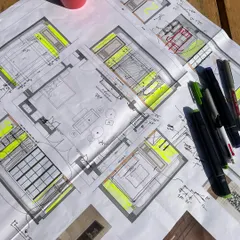
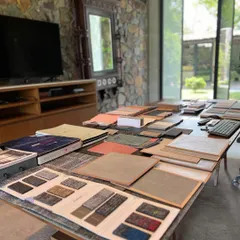
Our Design Process: From Concept to Craft
Our Architectural Philosophy: Craft and Heritage
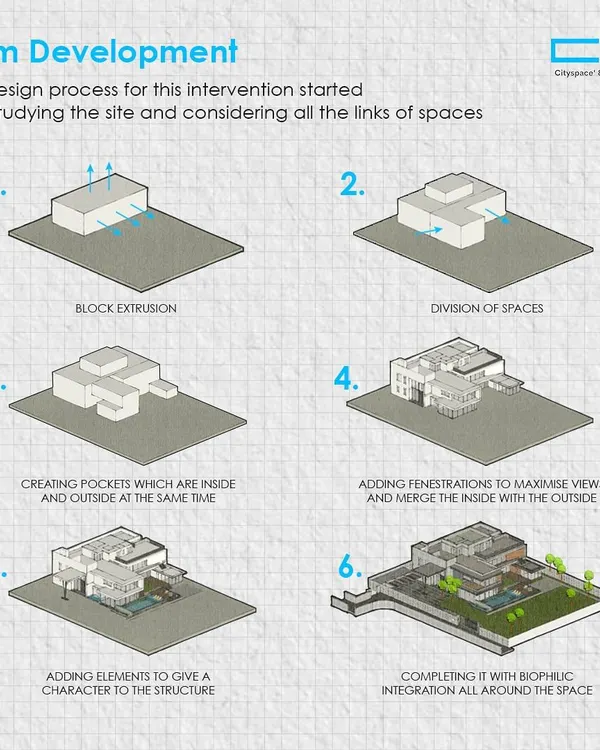 34
34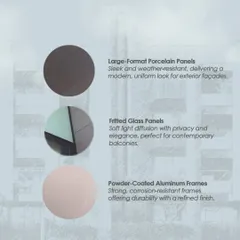
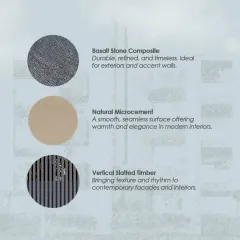
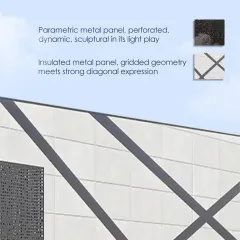
Our Architectural Design Process
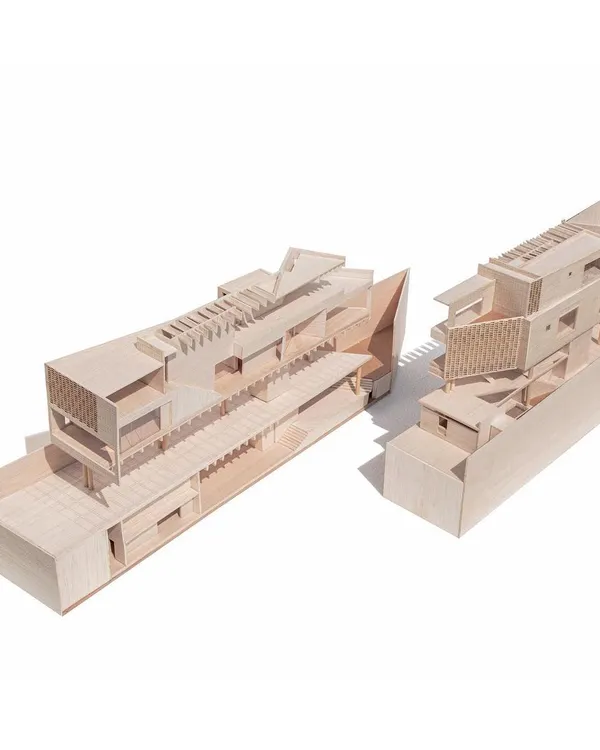 8
8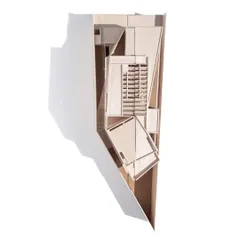
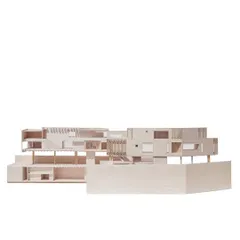
Our Architectural Design Process and Vision
 14
14
The Architecture of Thought: Our Design Philosophy
More from Urban Design & Master Planning by Jugal Mistri Architects
More services by Jugal Mistri Architects