The Science of Composting, Simplified
Composting isn't magic, it's a natural chemical process happening in your kitchen. Understand the science behind the breakdown, and you'll stop guessing and start harvesting rich, black gold.
There's a lot of confusion about the Carbon-to-Nitrogen ratio. Based on over a decade of experience, I recommend a 1:3 ratio of carbon to nitrogen by volume. Too much carbon can dry out the pile and halt the process.
The quality of your cocopeat matters. I explain Electrical Conductivity (EC), which is a measure of salt content. High EC can inhibit microbial activity, so it's crucial to use low-EC cocopeat from a reputable vendor for healthy compost.
This video shows the magic of heat retention in the double-shelled Eva composter. Even after rain, the internal temperature reached 50 degrees Celsius. This sustained heat is crucial for rapid decomposition and killing off pathogens.
I like to talk about "vintage compost." Just like wine, compost gets better with age. The aging process, or curing, is when humus develops. Humus is vital for improving soil structure and helping plants absorb nutrients efficiently.
In nature, nothing goes to waste. Anything that once lived can be composted, from kitchen scraps to tough stalks and stems. These materials not only add nutrients but also improve aeration, contributing to the beautiful cycle of life.
About The Science of Composting, Simplified
Most composting guides recommend a 3:1 ratio of carbon to nitrogen, but that often dries out your bin and halts the decomposition process. In my practice, I have found that a 1:3 ratio is the sweet spot. It ensures you maintain at least 40% moisture, which is the baseline needed for biological breakdown to actually happen. When you balance your carbon and nitrogen like ingredients in an oggarane dabba (spice box), your pile stays active and healthy without constant intervention.
Once you move past the basics, the science of composting becomes about managing the environment inside your bin. Understanding a few key technical indicators will turn a struggling pile into a thriving ecosystem.
The Role of Electrical Conductivity (EC)
When you buy cocopeat, you often don't see what's inside. High EC indicates high salt content, which is detrimental to microbial life. I always advise using low-EC cocopeat. Think of it as preparing a healthy meal; if the base ingredient is contaminated with excess salt, the entire process suffers. Always check the EC levels (aim for 1 to 2) before adding it to your mix.
Why Stems Matter
People often try to compost only soft kitchen scraps. However, your pile needs structure. Adding hard stalks, petioles, and stems creates air pockets, which are essential for aeration. Without these gaps, your compost bin will compact, turning anaerobic and smelly. These materials also act as a physical buffer, allowing your pile to breathe.
The 'Vintage' Approach
There is a common misconception that compost is finished as soon as it looks like soil. I coined the term 'vintage compost' to describe the curing process. Just like wine, compost benefits from age. Once the initial heat cycle is over, letting the compost mature creates humic and fulvic substances. This stage is where humus forms, which is vital for soil structure and nutrient absorption. If you want your plants to thrive, do not rush the harvest; let your compost age into its 'vintage' form.
Similar work from other experts
Browse through Curated picks from other experts on mytribe
Turn Your Kitchen Waste Into Black Gold: Home Composting Guide

Start Your Home Composting Journey Today
 14
14
Organic Gardening and Composting Guides
 18
18
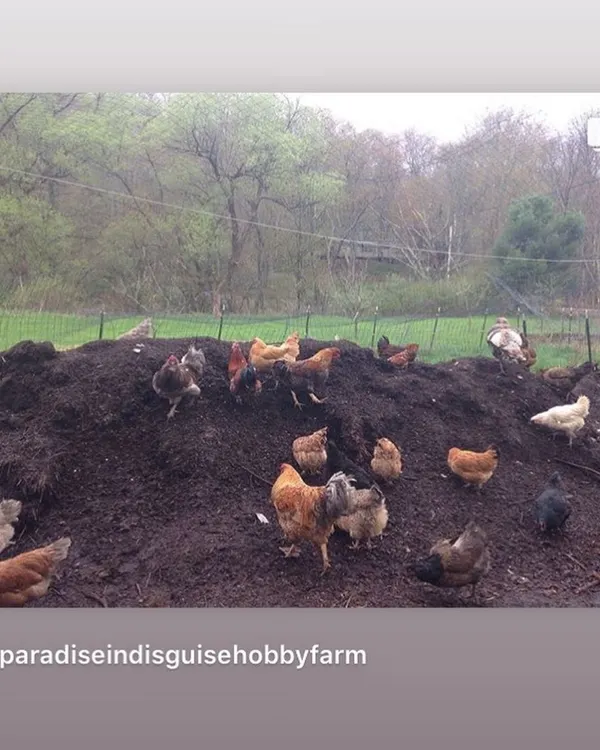
Composting with Chickens: Turn Kitchen Scraps into Garden Gold
Composting & Bio-Enzyme Workshops in Gurgaon
Organic Soil & Fertilizer Recipes for Terrace Gardens
More from Composting Education & Consultation by Savita Hiremath
More services by Savita Hiremath