Turn Your Kitchen Waste Into Black Gold: Home Composting Guide
Healthy soil is the foundation of every thriving garden. I teach you how to turn your daily kitchen waste into nutrient-rich compost, right on your balcony.
This is my harvested compost, my 'black gold'. I have been composting since I was in 8th standard. The key is to balance green materials like kitchen scraps with brown materials like dried leaves to avoid smell and pests.
After any festival, I make sure all the organic decorations like leaves and flowers go straight into my compost bin. It is a beautiful way to return what we take from nature.
This is a special compost mix that makes the process very fast. Using a starter like this Green Mix Powder can help you turn kitchen waste into usable compost in just a few days.
Harvesting another batch of rich, dark compost. It feels so good to create this valuable resource for my garden from things that people usually throw away.
The process of emptying a compost bin to harvest the finished product. This dark, crumbly material is full of life and will make my plants very happy.
I had a wonderful experience at Akshayakalpa organic farm, where I learned new methods of large-scale composting. It is inspiring to see these principles applied to grow healthy food.
About Creating 'Black Gold': The Art of Composting
The secret to smell-free composting in an apartment is the balance between your greens and browns. When you mix kitchen scraps like vegetable peels (greens) with dry leaves or shredded cardboard (browns) in the right ratio, you will not have any bad odours or pests. I will show you how to maintain this mixture so you can start harvesting your own dark, crumbly black gold in just a few weeks.
Why I Call It Black Gold
Many people think gardening starts with seeds, but it actually starts with the soil. When you compost at home, you aren't just reducing waste that goes to the landfill; you are creating the best possible food for your plants. This is what I call 'Black Gold'—it is dark, crumbly, and full of life. It makes my plants strong and helps them fight off diseases naturally.
The Simple Method for Apartments
You do not need a big farm to compost. Whether you live in a flat in Anantapur or have a small terrace, you can do this. Here is my approach:
- The Container: I use a simple drum or bucket with enough aeration holes. Proper airflow is vital to keep the process aerobic and odorless.
- The Balance: This is the most important part. Aim for a 50:50 ratio of greens and browns. Greens (vegetable scraps, fruit peels) provide nitrogen, while browns (dry leaves, cocopeat, cardboard) provide carbon. Getting this right is the only way to ensure your bin never attracts flies or smells bad.
- The Accelerator: Sometimes, especially when starting a new bin, I add a little curd-based starter or old compost to kickstart the microbial activity.
Why You Should Start Now
My journey with composting started back in 8th standard, and I have learned so much through trial and error. I have seen how homemade compost improves the flavor of vegetables and the vibrancy of flowers. If you have been waiting for the 'right time' or 'more space,' please know that you can start today with just a small pot. It is a slow process, but it is one of the most rewarding things you can do for the environment and for your Kannaya’s garden. If you need help setting up your first bin, I am here to guide you.
Similar work from other experts
Browse through Curated picks from other experts on mytribe
From My Garden: The Fruits of Composting
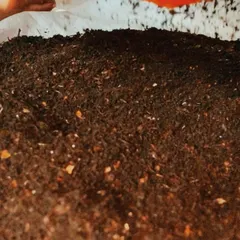
The Art of Composting: From Waste to Wealth
Soil, Compost, and Fertilizers for Terrace Gardens
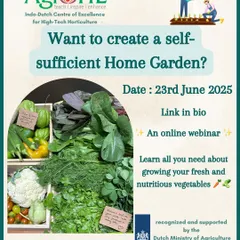
Start Your Own Productive Home and Kitchen Garden
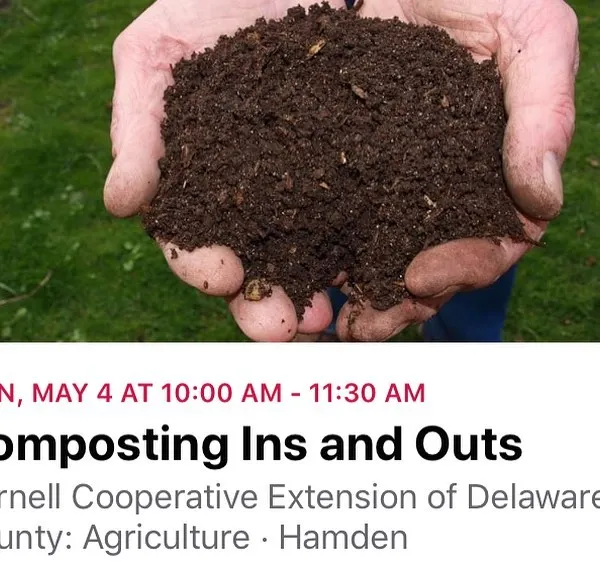 8
8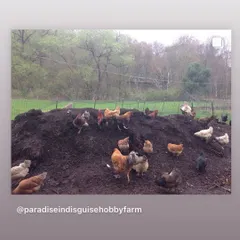
Practical Composting Workshops & Real-World Advice
Organic Soil & Fertilizer Recipes for Terrace Gardens
More from Organic Gardening & Pest Management by Little Gardener Pradeep
More services by Little Gardener Pradeep