Organic Gardening and Composting Guides
Transform your kitchen waste into plant food and cultivate your own green space with simple, natural techniques.
This is our core message: Go Organic, Live Sustainably. By choosing natural methods like composting, we can help decelerate land degradation and build a healthier relationship with the earth, starting in our own homes and gardens.
This illustration shows the harmful effects of chemical fertilizers. They can harden the soil, pollute waterways, and harm aquatic life. This is why we advocate for a shift to safer, organic alternatives.
In contrast, this graphic shows how organic compost enriches the soil naturally. It improves soil structure and nutrient availability for plant roots without causing harm to the surrounding ecosystem, leading to healthier plants and a healthier planet.
Did you know used coffee grounds are great for your garden? They increase the nitrogen level and acidity of the soil, making them an excellent natural fertilizer for acid-loving plants like tomatoes, blueberries, and marigolds.
Don't throw away your banana peels. They are rich in potassium and phosphorus, which help nourish the soil and can protect plants from diseases. Simply chop them up and bury them in the soil or create a "banana peel tea" to spray on your plants.
Used tea leaves can help maintain the pH level of your soil. The tannic acid in tea is beneficial for acid-loving plants. You can mix cooled tea leaves directly into the soil or pour cooled, brewed tea on your plants.
Lemon juice can be a natural pest control solution. A diluted spray can help manage small infestations like ants and aphids. Placing citrus peels around your garden can also help deter pests and increase soil acidity.
Baking soda is a simple and effective remedy for preventing fungal growth like mold and mildew on plants. A simple spray made with baking soda and oil can be applied to affected areas on plants like tomatoes and cucumbers.
Dry leaves are a fantastic "brown" material for your compost pile. They are rich in carbon and, when mixed with nitrogen-rich "green" materials like vegetable scraps, they create a balanced environment for decomposition.
In this video, we bust common gardening myths. Learn the facts about whether you need to change soil yearly, if low-light plants can live in the dark, and if it's safe to keep plants in your bedroom at night.
About Organic Gardening & Composting Guides
Composting is a biological process, not a mechanical one. If your bin smells, it is usually a nitrogen-carbon imbalance, so simply add more dry leaves or paper to balance the mix. It takes patience to build the right microbial ecosystem, but once it settles, you will have nutrient-rich soil ready for your balcony plants.
Building Soil Health
Most chemical fertilizers harden the earth and harm local biodiversity. We advocate for a return to natural nutrient management. When you use organic compost, you improve the nutrient use efficiency of your plants, making them more resilient to climate changes and pests. Whether you have a small window box or a terrace garden, organic care is the only sustainable path forward.
Kitchen Waste Hacks
Before you toss your kitchen scraps, consider their value for your garden:
- Coffee Grounds: Great for nitrogen and acidity. Sprinkle them over marigolds or tomatoes.
- Banana Peels: Rich in potassium and phosphorus, perfect for protecting plants from common diseases.
- Tea Leaves: Use these to maintain the soil pH level, especially for acid-loving varieties.
- Baking Soda: A simple, effective solution for preventing fungal growth like mildew on cucumbers and tomatoes.
Debunking Common Myths
A frequent question we hear is whether plants can survive in dark corners or if they should be kept out of bedrooms at night. These are common misconceptions. With the right terracotta setup and a little observation, even beginners can thrive. Our goal is to simplify these complex processes so anyone in Delhi can start an organic lifestyle without feeling overwhelmed.
Our Process
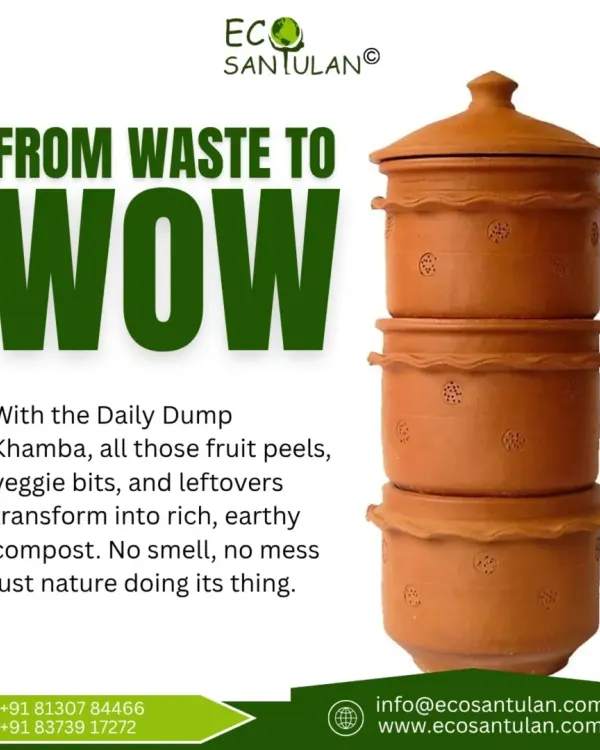
Our terracotta composters, crafted by the potters of Kumhar Gram, are designed with a wide-belly 'mota lota' shape. This unglazed, breathable clay construction naturally manages aeration, which is critical for healthy decomposition. By supporting this, you are not just buying a product; you are supporting a circular economy that keeps waste out of landfills and empowers local artisans.
Similar work from other experts
Browse through Curated picks from other experts on mytribe
From My Garden: The Fruits of Composting
Turn Your Kitchen Waste Into Black Gold: Home Composting Guide

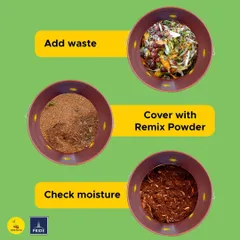
Start Your Home Composting Journey Today
 16
16
Turn Your Kitchen Waste into Nutrient-Rich Compost
Getting Started: Soil, Seeds & Planting for Beginners
Gardening Tips and Tricks for Delhi Homes
More from Gardening & Composting Supplies by Project JanBhoomi
More services by Project JanBhoomi