Organic Soil & Fertilizer Recipes for Terrace Gardens
Everything in gardening starts with the mitti. Here are my tried-and-tested recipes for the perfect organic soil mix, so your plants have the best base to thrive.
Even with a good potting mix, plants can sometimes show yellowing leaves or improper growth due to a lack of micronutrients. To solve this, I use a liquid micronutrient booster. I dissolve 5 ml in 1 liter of water and apply it directly to the soil or as a foliar spray. It's a quick way to fix deficiencies and promote healthy growth in all types of indoor and outdoor plants.
A nutritious, well-drained potting mix is key for healthy flowers like Cosmos. My standard mix is 40% compost, 30% river sand, and 30% soil, with added neem khali and bone meal. This combination ensures the plant gets enough food while preventing waterlogging, which is crucial for strong root development and abundant blooms.
Here I am transplanting a tomato sapling into a pot filled with my all-purpose potting mix. The formula is simple: 40% compost, 30% soil, and 30% sand. This mix provides the right balance of nutrients, aeration, and drainage that tomatoes need to establish themselves and grow strong. Always water well after transplanting to help the roots settle in.
This is the right way to fertilize your plants. Instead of just sprinkling compost on top, I first till the top 3-4 inches of soil with a small tool. Then, I add a few handfuls of vermicompost, mix it well with the loosened soil, and water thoroughly. This ensures the nutrients reach the root zone where the plant can actually absorb them.
If your plants are not flowering, this organic fertilizer combination is the solution. I use a mix of powdered banana peels, which are rich in phosphorus, and powdered eggshells, which provide calcium. I grind them into a fine powder and add two tablespoons around the rim of the pot once a month. This simple, homemade booster encourages heavy flowering and fruiting.
Haldi, or turmeric powder, is a gardener's best friend. It has natural anti-fungal properties that can save your plants from fungal infections and root rot. I add a spoonful of haldi powder to my potting mix before planting vegetables. It's a simple, organic way to keep your plants healthy from the start.
Cocopeat is a game-changer for container gardening, especially in summers. It's a 100% organic material made from coconut husk that has excellent water-holding capacity, keeping the soil moist for longer. It's also very lightweight and porous, promoting strong root growth. Remember, it has no nutritional value, so always mix it with compost.
About The Foundation: Soil & Fertilizer Recipes
Most potting mixes fail because they do not balance drainage with nutrition. My go-to recipe is a simple 30:30:30 formula: 30 percent compost, 30 percent river sand, and 30 percent garden soil. If you are starting seedlings, always add a tablespoon of haldi powder to the mix to act as a natural antifungal, which saves your plants from root rot before they even start growing.
Gardening is therapy, but it is also a bit of science. If your plants are showing yellow leaves or struggling to flower, the problem is rarely just the plant; it is usually the soil.
My 30:30:30 Formula
I do not believe in one-size-fits-all mixes. For most vegetables and leafy greens, that 30 percent compost, 30 percent sand, and 30 percent soil ratio works wonders. The sand ensures the soil remains porous and well-drained, preventing waterlogging, while the compost provides the steady nutrition your plants need. If you are starting seeds, I swap the garden soil for cocopeat to make it lighter.
The Bottom-Fill Hack
Terrace gardens have weight limits. To keep my pots light without losing volume, I use a bottom-fill technique. Before adding any soil, I fill the bottom 30 percent of the container with dry leaves, cardboard, or crushed plastic bottles. These decompose slowly, creating a lighter pot and feeding the roots from below over time.
Organic Boosters
Plants get hungry, and synthetic chemicals are not the only answer. For flowering, I use a homemade powder of shade-dried banana peels (for phosphorus) and crushed eggshells (for calcium). I grind these into a fine dust and sprinkle them around the rim of the pot once a month.
Remember, ahista ahista (slowly, slowly). Do not expect instant results. Give the soil time to settle and the roots time to adjust, and you will see the difference in your next harvest.
Similar work from other experts
Browse through Curated picks from other experts on mytribe
Soil, Compost, and Fertilizers for Terrace Gardens
Nourishing Your Plants with Organic Fertilizers
 8
8
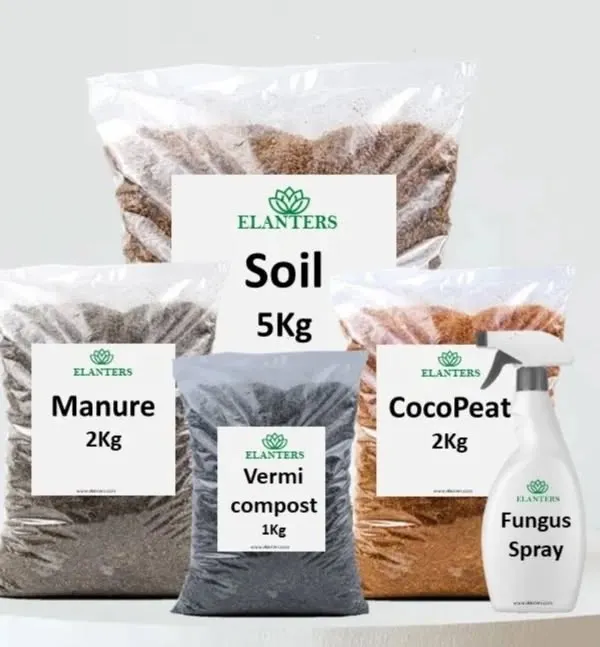
Gardening Essentials: Premium Soil, Manure & Cocopeat
Growing Your Own Organic Vegetable Garden at Home
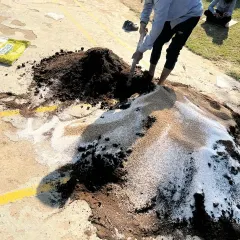
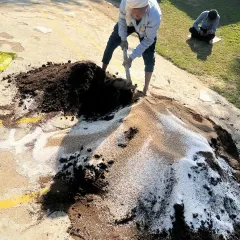
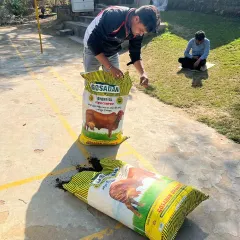
Premium Garden Soil and Organic Fertilizer Mixes
 14
14
Organic Gardening and Composting Guides
More from Garden Setup & Soil Formulation by Himanshu Mann
More services by Himanshu Mann