Composting with Chickens: Turn Kitchen Scraps into Garden Gold
My chickens are the hardest workers on my farm. They don't just forage; they actively manage my compost piles, turning waste into nutrient-rich soil faster than I could alone. See how this symbiotic system works.
My flock of chickens are my best employees. They work the compost piles daily, aerating the material and adding their own fertilizer. This symbiotic relationship between farming and composting is a key topic I cover in my educational sessions.
Even when things are tough, the chickens keep working. This video shows them actively foraging and turning the compost. Their constant activity is a reminder that life and progress continue even during difficult seasons.
A warm winter day means happy, active chickens. Here they are, packed into one of the compost bays and feasting on food scraps. This is a perfect illustration of closing the loop from table back to farm.
Here you can see my tractor turning a large compost pile with the chickens supervising nearby. They are always eager to get into a freshly turned pile to find insects and other treats, helping with aeration in the process.
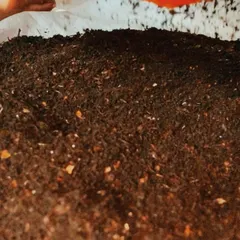
A close-up of the chickens foraging in the rich, dark compost. They play a vital role in breaking down materials and creating a balanced, finished product. Learning to work with animals is a key part of sustainable farming.
One of my hens helping herself to some fresh food scraps from a collection barrel. They know exactly where the good stuff is. This is a great example of how food waste can be used as a valuable resource.
This chicken is determined to get every last scrap from the barrel. Their enthusiasm for the job is contagious. This symbiotic system reduces our feed costs and enriches the compost.
A chicken peeking out from behind a collection barrel, waiting for it to be emptied. They are an integral part of our daily operations here on the farm.
Another shot of a chicken diving into a barrel. They are fearless foragers and a key part of my composting method, which I detail in my workshops on composting with chickens.
Even our collected Christmas trees get a curious inspection from the flock before being chipped and added to the compost as a carbon source. Nothing goes to waste here.
About Composting with Chickens
Integrating poultry into your composting setup isn't just about finding cheap feed. It's about letting the birds do the heavy lifting—aerating, breaking down materials, and adding nitrogen to the mix. In my experience, observing the flock’s behavior is the best indicator of a pile's health. When they’re actively scratching and digging, the decomposition is on track. It’s a noisy, active process, but for small-scale setups, it remains one of the most effective ways to close the nutrient loop.
The Symbiotic Advantage
Using chickens for composting solves two problems at once: it provides the birds with a high-protein, varied diet, and it keeps your compost piles aerated without the need for constant manual turning. My flock is constantly moving, scratching, and turning the material, which speeds up the thermophilic phase of the pile significantly compared to static bins.
Getting Your Setup Right
If you are planning to replicate this, don't overcomplicate the infrastructure. I use simple pallet bays to keep the piles contained. The chickens need a secure area where they can access the pile without wandering off or attracting unwanted pests.
- Carbon Management: Always keep a source of high-carbon material like dry leaves, straw, or sawdust nearby. You need this to balance the high nitrogen from the food scraps and chicken manure.
- Managing Odor: If the pile stinks, it isn't being managed properly. The chickens handle most of the aeration, but you still need to ensure the ratio of 'greens' to 'browns' is correct.
- Breed Selection: Not every bird is a natural forager. I focus on breeds that are active, hardy, and naturally curious about the ground.
The Reality Check
This isn't a hands-off system. You are managing a living, breathing farm. It involves dealing with seasonal changes—the birds definitely slow down in winter—and keeping a watchful eye on potential pests. It is rewarding, but like all good composting work, it requires dedication. It is the most honest way to close the waste loop, taking your daily kitchen scraps and turning them into the garden gold you need for your soil.
Similar work from other experts
Browse through Curated picks from other experts on mytribe
From My Garden: The Fruits of Composting
The Art of Composting: From Waste to Wealth
Turn Your Kitchen Waste Into Black Gold: Home Composting Guide
Composting & Bio-Enzyme Workshops in Gurgaon
Soil, Compost, and Fertilizers for Terrace Gardens

Start Your Own Productive Home and Kitchen Garden
More from Educational Workshops & Speaking by Maria Schermerhorn
More services by Maria Schermerhorn