Composting Ingredients: A Practical Guide to What Goes In
Not everything from your kitchen belongs in the bin. Learn which scraps nourish your soil and which should stay out to keep your compost pile healthy and odor-free.
Don't be afraid to add citrus peels to your compost. While acidic initially, the decomposition process balances the pH. These peels are packed with valuable nutrients like vitamin C, calcium, and potassium that will enrich your final compost.
Can you compost pistachio shells? Absolutely. They are an excellent source of carbon and add important trace elements. Since they are hard and break down slowly, they also help maintain good aeration in your compost pile over time.
The simplest way to process eggshells is to crush them and add them directly to your composter. The microbial activity in the pile will break them down, making their rich calcium content available to your plants in a form they can absorb.
Eggshells and bones are great additions but take a long time to decompose in a home composter, sometimes up to a year or more. Crushing or breaking them into smaller pieces will help speed up the process. If they aren't fully broken down, just add them to the next batch.
Hard, fibrous materials like corn cobs or woody stems are perfect for the bottom layer of your composter. They break down slowly, creating stable air pockets that ensure good aeration and prevent the bottom of the pile from becoming too wet or compacted.
You should not compost glossy paper. The shiny coating often contains clay, resins, and even plastic, which are not biodegradable. The inks can also contain chemicals harmful to your soil. The best way to handle glossy paper is to send it for recycling.
You can compost butter paper, but only if it is unbleached, unwaxed, and free of any chemical or plastic coatings. Be sure to shred it into small pieces and don't add too much at once, as it can hinder aeration.
What makes compost black and rich? A diverse diet for your microbes. I always add a wide variety of kitchen scraps, including vegetable peels, fruit waste, eggshells, and even leftovers, to create a nutrient-dense final product.
In this Q&A, I confirm that you can compost items like bread, rotis, and even leftover pizza. The key is to break them into small pieces before adding them to the pile to ensure they integrate well and don't form a dense, air-blocking mass.
About What Goes In? A Guide to Ingredients
Don't treat your compost pile like a random dumping ground. The secret to success lies in knowing exactly what to add and, more importantly, how to prepare it. Whether it is hard shells that need crushing or glossy paper that shouldn't go in at all, the right preparation determines if you get rich, dark soil or a messy, smelly pile. Let us look at what makes your compost thrive.
The Science of Sorting
Composting is essentially managing a diet for microbes. Just like a balanced meal, they need the right mix of Carbon and Nitrogen. When you get the C:N ratio right, the process is odorless, efficient, and quick.
What to Toss In
- Citrus Peels: Don't worry about acidity. While they start acidic, the natural breakdown process balances the pH. Just ensure you aerate your pile regularly.
- Hard Shells: Pistachio shells and eggshells are excellent carbon sources. Because they take time to break down, they keep the pile aerated. Always crush them into smaller pieces to speed up the process.
- Kitchen Scraps: Bread, rotis, and leftovers are fine in moderation. The key is to avoid big, dense clumps. Break them down before adding so they do not block airflow.
What to Keep Out
Be careful with processed waste. Glossy paper is a big no. It contains resins, plastics, and toxic inks that won't just fail to compost—they will contaminate your soil. If it is shiny or plastic-coated, send it for recycling instead.
The 'Kasa Vingadane' Approach
I always use the oggarane dabba (spice box) analogy. You wouldn't mix all your spices together, so don't mix all your waste. Separate your wet kitchen scraps from dry yard waste right at the source. This segregation is the single biggest step to ensuring a successful, odor-free harvest in your home composter.
Similar work from other experts
Browse through Curated picks from other experts on mytribe
Start Your Home Composting Journey Today
 14
14
Organic Gardening and Composting Guides
Turn Your Kitchen Waste Into Black Gold: Home Composting Guide
 18
18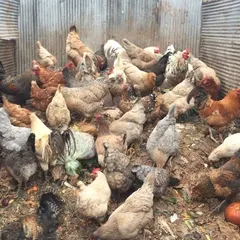
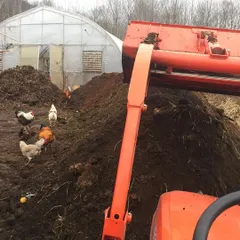
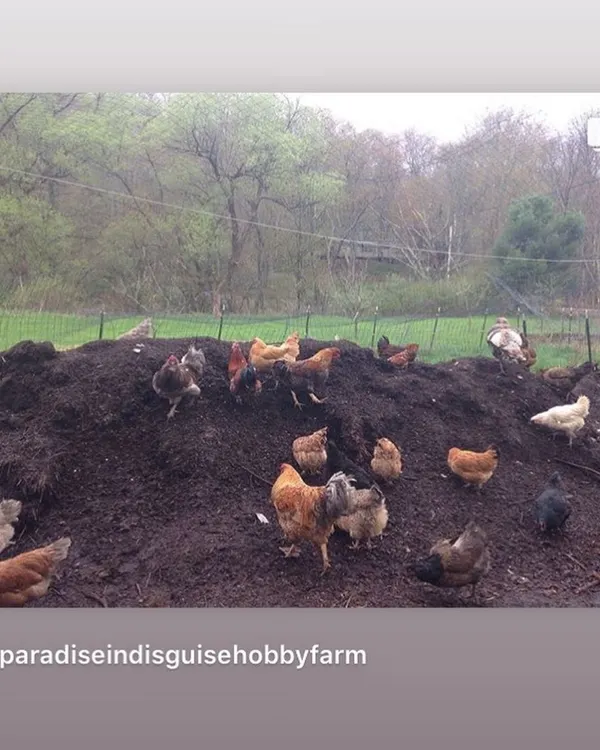
Composting with Chickens: Turn Kitchen Scraps into Garden Gold
Soil, Compost, and Fertilizers for Terrace Gardens
Composting & Bio-Enzyme Workshops in Gurgaon
More from Composting Education & Consultation by Savita Hiremath
More services by Savita Hiremath