The Architecture of Healing: Hospital Interiors & Wayfinding
We transform clinical environments into spaces of recovery. Our approach focuses on reducing patient anxiety through intuitive navigation, natural light, and biophilic design elements.
This render of the main atrium at Sant Nirankari Hospital shows how a central, light-filled void can become a primary organizing element. The grand chandelier and open sightlines across floors create an uplifting atmosphere and aid in intuitive wayfinding.
A view looking up from the base of the Sant Nirankari Hospital atrium during construction. This image reveals the raw structure that creates the soaring, light-filled space designed to enhance ventilation and openness.
The multi-level atrium under construction at Sant Nirankari Hospital. These open corridors surrounding the central void foster a sense of connection and visibility, reinforcing the hospital's commitment to patient-centric care.
This construction photo shows the scale of the atrium at Sant Nirankari Hospital. The space is designed to anchor the hospital's spatial organization, seamlessly integrating movement, light, and visibility.
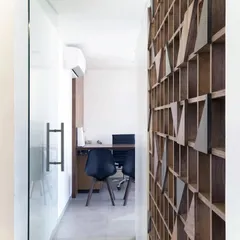
The architecture of the in-between defines the experience of care. Here, a semi-private seating nook is created using a wooden slat partition, offering a quiet space for conversation or reflection away from the main corridor.
We use art and color to transform sterile corridors into therapeutic pathways. This hallway features a wall mural of wildflowers, bringing a touch of nature indoors and creating a positive distraction for patients and staff.
Inspirational quotes and gentle graphics are integrated into the design of hospital corridors. These elements provide moments of encouragement and emotional support, reinforcing the healing mission of the space.
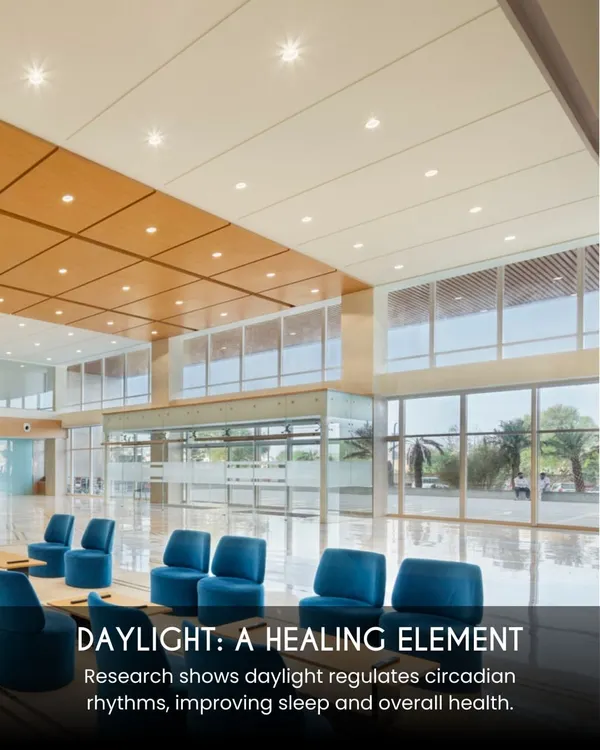
In healthcare environments, waiting zones are opportunities to support emotional regulation. This lounge area uses comfortable, modern furniture and warm wood paneling to create a calm, non-clinical atmosphere.
This patient room at Breach Candy Hospital is designed as a holistic healing environment. We used a warm color palette with a pop of yellow, soft curtains, and an art piece to create a tranquil space that promotes well-being.
A consultation room at Breach Candy Hospital designed for comfort and professionalism. The use of wood paneling, clean lines, and ergonomic seating creates a space where patients can feel at ease while receiving care.
About The Architecture of Healing: Interiors & Wayfinding
In hospitals, the spaces between treatment areas—corridors, lobbies, and waiting zones—are often treated as purely functional, yet they define the patient's emotional journey. We design these transition zones to actively mitigate anxiety by utilizing circadian rhythm lighting, acoustic paneling, and intuitive wayfinding graphics. Instead of sterile, disorienting hallways, we create pathways that use color-coding and warm, non-clinical materials to ensure patients and staff feel supported, not overwhelmed, as they move through the facility.
Designing the In-Between
Healthcare environments are high-stress by nature. Our design philosophy addresses this by paying as much attention to the 'in-between' spaces as we do to the clinical units. A hospital corridor is not just a path; it is the first point of interaction for someone arriving in distress. By integrating biophilic art, soft lighting, and wood-finish wall panels, we break the visual monotony that often leads to institutional fatigue.
Wayfinding and Clarity
Navigation anxiety is a major factor in patient experience. We implement comprehensive wayfinding strategies that go beyond simple signage. We use:
- Color-Coded Zoning: Distinct palettes for different hospital wings to provide immediate, subconscious orientation.
- Floor Patterning: Consistent, non-reflective flooring that acts as a subtle guide through the building.
- Visual Landmarks: Utilizing interior features—like the atriums we designed for Sant Nirankari Hospital—to anchor the spatial organization and provide clear sightlines across floors.
Clinical Standards and Comfort
Design choices in healthcare are balanced against strict operational requirements. In our Breach Candy Hospital projects, for example, we specified infection-control finishes like anti-bacterial laminates and seamless vinyl flooring that meet international standards (Gerflor/Armstrong) without compromising on the aesthetic warmth of the room. We coordinate false ceilings to conceal heavy HVAC ducting and medical gas pipelines, ensuring that the technology required for patient survival is hidden behind a calming, human-friendly interface.
By treating the interior as an extension of the healing process, we help facilities reduce patient stress, improve staff productivity, and create a space that feels cared for rather than just built.
Similar work from other experts
Browse through Curated picks from other experts on mytribe
 58
58
Patient-Centric Healthcare Interior Design
 5
5
Patient-Centric Healthcare Interiors
Modern Clinic and Healthcare Interior Design
 6
6
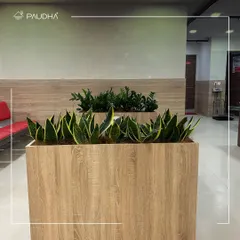

Biophilic Design for Healthcare & Wellness Spaces
Designing Healthcare Spaces That Prioritize Patient Wellness
 5
5
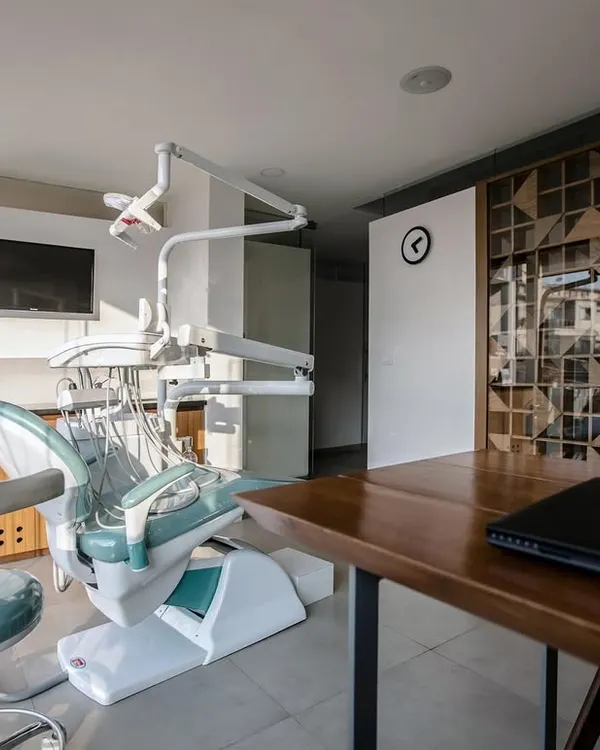
Healing Spaces: Designing Calm Dental Clinics
More from Healthcare Facility Design by Edifice Consultants
More services by Edifice Consultants