Patient-Centric Healthcare Interior Design
We design hospital interiors that actively support recovery. By applying neuro-aesthetics and evidence-based planning, we create environments that lower patient stress and improve clinical efficiency.
Daylight is a powerful healing element. Our designs prioritize large windows and open spaces to regulate circadian rhythms, which is proven by research to improve sleep and overall health for patients.
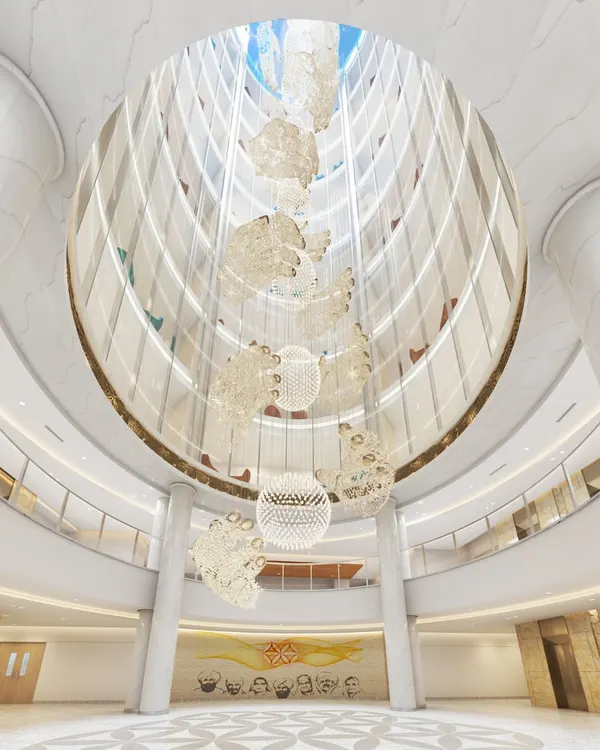
We design to reduce stress by incorporating strategic openings and light wells. This approach alleviates anxiety and creates calming, restorative spaces, as seen here in the light-filled atrium of Paras Yash Kothari Hospital.
Our purpose is to design with daylight to enhance mood, reduce feelings of isolation, and promote emotional well-being. The double-height lobby at Sarvodaya Hospital is a perfect example, creating an uplifting and welcoming atmosphere.
This graphic from our guide on the healing power of natural light illustrates how we integrate it into different hospital areas. Thoughtful design can transform a clinical space into a healing one.
Expansive, floor-to-ceiling windows are a key strategy we use to bring abundant natural light into patient rooms and common areas. This not only improves recovery but also offers calming views of the outdoors.
Mitigating heat and glare is essential when designing with large windows. We use advanced glazing systems and architectural features like this perforated metal screen to ensure high light transmittance while preventing excessive heat.
Courtyards, terraces, and gardens are vital biophilic elements in our designs. These spaces improve natural light access, reduce stress, and provide a peaceful environment with fresh air and daylight for patients and staff.
Hospital reception lobbies are a critical first point of contact. We design these spaces as spatial anchors and emotional reset points, using double-height atriums and clear sightlines to reduce stress and restore a sense of orientation.
This split image shows two different lobby designs, both emphasizing spatial clarity and comfort. Whether through grand atriums or more intimate waiting areas, our goal is to improve navigation and create a welcoming environment.
The bright, open lobby of Sri Ram Cancer Super Speciality Centre uses clean lines and extensive glazing to create a sense of calm and order. The design ensures efficient circulation for staff and improved navigation for patients.
About Patient-Centric Interiors: Designing for Wellness and Recovery
We treat every interior as a functional component of the healing process rather than a cosmetic one. Our team focuses on neuro-aesthetics, utilizing circadian lighting, acoustic dampening, and intuitive wayfinding to reduce patient cortisol levels while simultaneously streamlining staff circulation.
We approach clinical environments as active tools for recovery. Our interior design strategy relies on Evidence-Based Design (EBD) to influence patient health outcomes positively. This involves rigorous spatial planning where corridors, patient rooms, and waiting zones are mapped for optimal flow and sensory relief.
Neuro-aesthetics play a significant role in our material selection and lighting plans. We implement circadian lighting systems that align with natural biological rhythms to aid sleep and regulate hormones, a critical factor in inpatient recovery wards. Sound management is another priority. By using acoustic-rated materials and layouts that isolate mechanical noise, we ensure the quietude required for critical care.
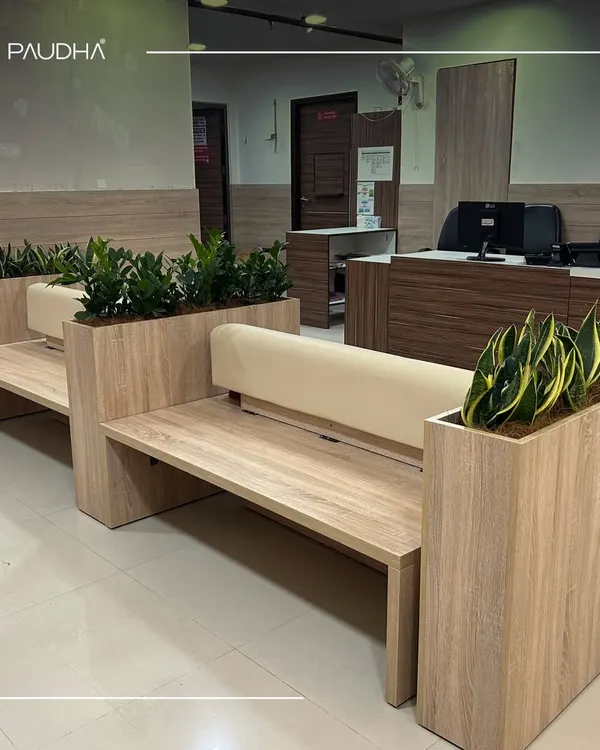
For public-facing areas like reception lobbies and outpatient departments, we focus on spatial orientation. Confusion is a primary stressor in hospital visits. Our wayfinding systems and clear sightlines are designed to minimize navigational anxiety. We often incorporate biophilic elements, such as indoor greenery or strategic views of outdoor gardens, to provide the necessary mental reset for patients and their caregivers. Every decision, from floor finish to furniture ergonomics, is calibrated to meet the dual requirements of clinical infection control and human comfort.
Similar work from other experts
Browse through Curated picks from other experts on mytribe
 12
12

The Architecture of Healing: Hospital Interiors & Wayfinding
 6
6
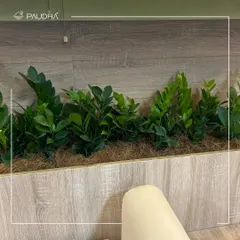
Biophilic Design for Healthcare & Wellness Spaces
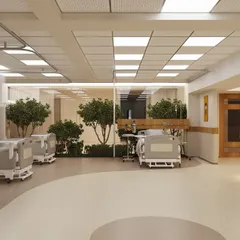
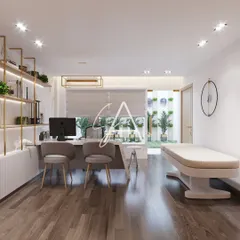
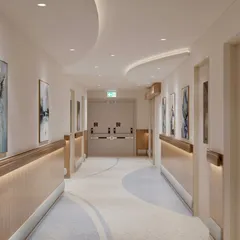
Modern Clinic and Healthcare Interior Design
Modern & Calming Clinic Interior Design
 5
5
Healing Spaces: Designing Calm Dental Clinics
 9
9
Healthcare & Wellness Interior Design
More from Healthcare Architecture And Design by Creative Designer Architects
More services by Creative Designer Architects