Patient-Centric Healthcare Architecture
We believe hospital architecture should lift spirits as much as it supports clinical function. Our approach integrates biophilic elements and precise acoustic planning to create spaces that promote recovery.
In this feature, we discuss how "slimming down" hospital layouts creates more efficient and pleasant spaces. By optimizing circulation for staff and simplifying navigation for patients, we reduce stress and improve the overall delivery of care, proving that thoughtful, minimalist design is a powerful tool in healthcare.
How can sound influence patient recovery? In a hospital, controlling the acoustic environment is critical. We use architectural strategies and specific materials to minimize noise from equipment and corridors, creating quieter patient rooms and calmer public areas that directly contribute to the healing process.
What does it mean to design for care? This article explores our perspective on how architecture can move beyond clinical function to actively foster empathy. We believe well-designed spaces can support the emotional and psychological needs of both patients and the medical staff who care for them.
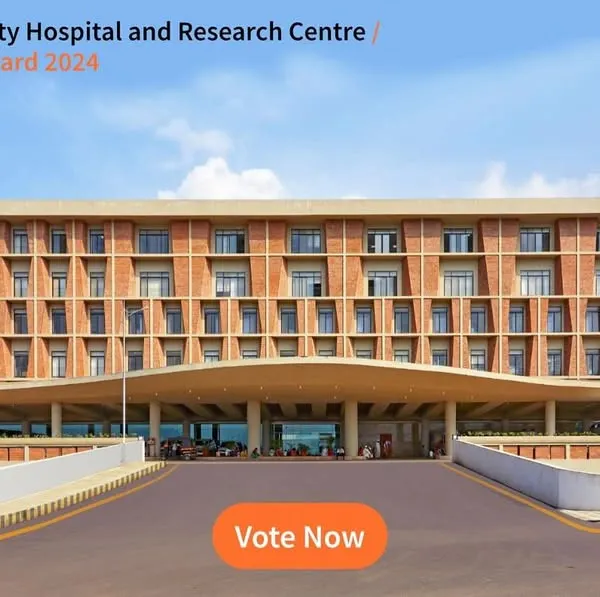
Featured in ArchDaily, this project addresses the need for culturally sensitive and accessible healthcare in India. The building's facade and internal planning are designed to be welcoming and intuitive, reflecting our commitment to creating equitable healthcare environments for diverse populations.
About Patient-Centric Healthcare Spaces
Many healthcare projects struggle to balance strict NABH compliance with patient comfort. We solve this by integrating biophilic elements and acoustic dampening directly into the initial floor planning phase, ensuring that the sterile requirements of an OT complex or ICU do not compromise the welcoming, intuitive nature of the environment.
Architecture in the medical sector requires a high degree of responsibility. Our design philosophy moves beyond clinical efficiency to consider the entire patient experience, from the moment of entry to the nuances of recovery zones.
Clinical and Spatial Efficiency
Effective hospital design starts with flow. We prioritize the optimization of circulation paths, reducing walking distances for nursing staff while separating sterile from non-sterile corridors. This functional clarity, grounded in NABH guidelines, reduces the operational friction often found in complex medical facilities.
Sensory and Acoustic Design
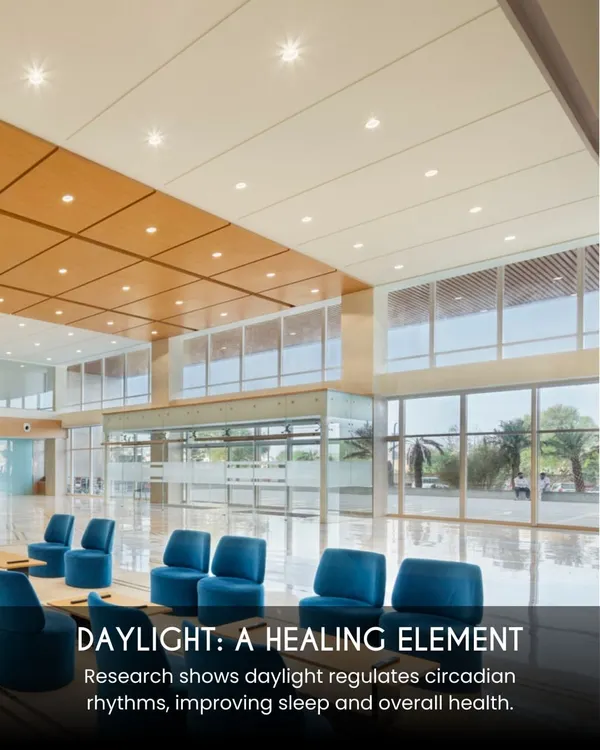
Noise is a primary stressor in clinical settings. We employ specialized acoustic architecture, using high-performance wall sections and dampening materials to isolate critical zones like ICUs and NICUs. Simultaneously, we implement circadian lighting systems and biophilic elements—such as indoor green pockets—to mimic natural rhythms. These interventions help lower anxiety levels for both patients and caregivers.
Materiality and Longevity
We specify non-porous, anti-bacterial materials for high-traffic areas, ensuring that the design remains durable and hygienic without appearing institutional. Our approach to modular architecture also allows facilities to adapt as medical technology changes, ensuring that the building remains relevant and functional for the long term. By marrying technical rigor with human-centric design, we create environments that function as active participants in the healing process.
Similar work from other experts
Browse through Curated picks from other experts on mytribe
 10
10
Healthcare Architecture & Hospital Design Services
 58
58


Patient-Centric Healthcare Interior Design
 12
12

The Architecture of Healing: Hospital Interiors & Wayfinding
 16
16
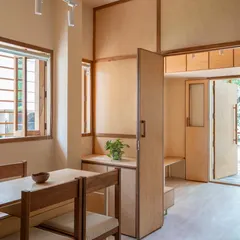
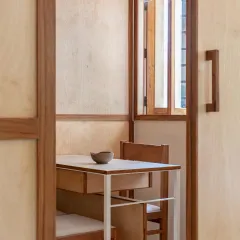
Healing by Design: Healthcare & Wellness
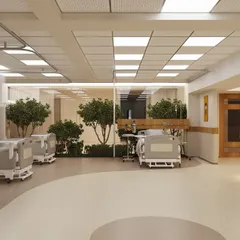
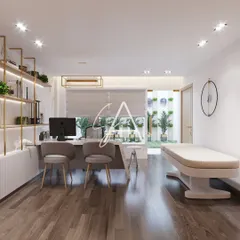
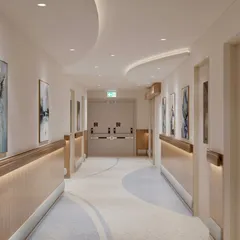
Modern Clinic and Healthcare Interior Design
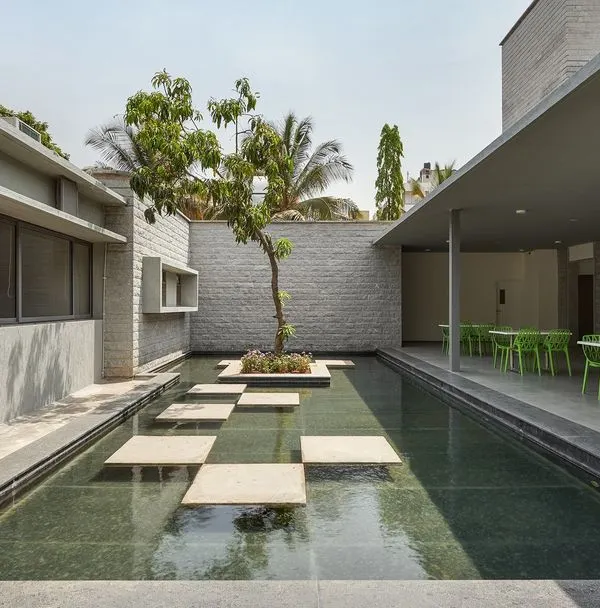 44
44

Architecture of Care & Serenity in Healthcare
More from Healthcare Architecture by Vijay Gupta Architects
More services by Vijay Gupta Architects