Strategic Medical Campus Master Planning
Our master plans organize clinical, educational, and residential blocks into unified, future-ready medical ecosystems.
This video provides an aerial overview of the All India Institute of Medical Sciences (AIIMS), Guwahati. Planned as an integrated medical campus, it brings together a 750-bed hospital, teaching blocks, and residential quarters across 15 lakh sq. ft.
This image of the Paras Yash Kothari Memorial Hospital introduces the concept of optimizing healthcare with a strategic layout. The design groups related departments together for optimal accessibility and a seamless operational flow.
This axonometric drawing illustrates the ground floor plan of Paras Hospital. It shows how the central courtyard anchors the layout, organizing the flow between the waiting area, emergency, OPD, and other key services.
A well-designed medical campus includes spaces for learning and collaboration, like this auditorium. Our master plans enable seamless movement between hospital units, classrooms, and research areas.
Yashoda Medicity, spanning 12 lakh sq. ft. with 1200 beds, is envisioned as a next-generation healthcare facility. The design integrates a unit aggregate model, ensuring consultation, diagnosis, and treatment exist as a seamless continuum.
About Large-Scale Campus & Strategic Planning
Effective campus design treats the facility as a living system rather than a series of disconnected rooms. We apply a unit-aggregate model—utilized at Yashoda Medicity—to ensure diagnostics, treatment, and consultation flow as a single, intuitive continuum, which reduces staff fatigue and optimizes patient movement across the entire site.
When planning a large-scale hospital, the layout dictates operational success. Our master planning process begins with rigorous clinical zoning. We map out departmental adjacencies to minimize walking distances, ensuring that high-acuity zones like emergency and radiology are linked efficiently to inpatient wards and operating theatre complexes.
At AIIMS Guwahati, this approach allowed us to integrate a 750-bed hospital with teaching blocks and residential quarters across 15 lakh sq. ft. while maintaining clear, separate circulation paths for public, clinical, and service traffic. This separation is vital to prevent cross-contamination and operational bottlenecks.
We design for scalability. Future-proofing is central to our work; we create adaptable frameworks that allow hospitals to expand or incorporate new technologies—such as advanced imaging systems or HIMS infrastructure—without disrupting daily operations. Climate-responsive design is equally critical. By analyzing site orientation and solar paths, we reduce energy loads while integrating biophilic elements like courtyards and terraces to improve air quality and natural light penetration. This is not just about placing buildings on a plot; it is about creating a campus where the architecture actively supports clinical outcomes and the well-being of the medical staff.
Similar work from other experts
Browse through Curated picks from other experts on mytribe
 14
14
Large-Scale Multi-Specialty Hospital Architecture and Design
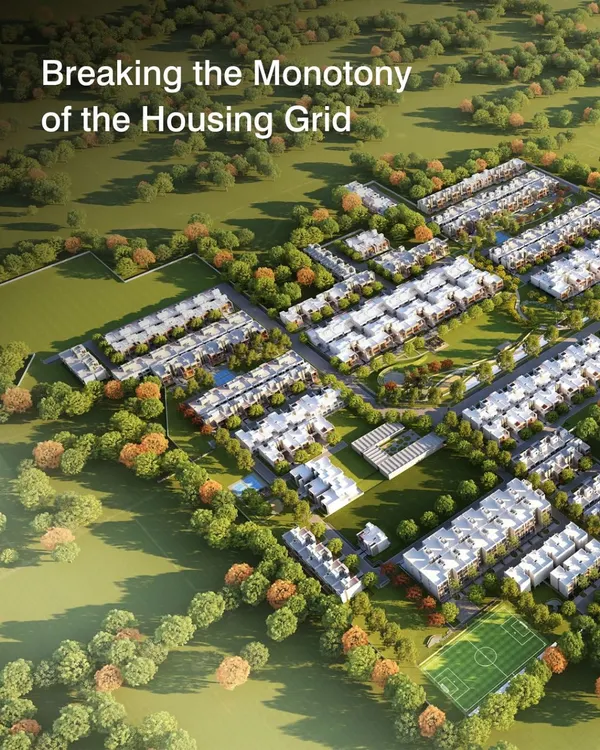 8
8
Featured Master Planning & Urban Design Projects
Institutional Campus & Educational Architecture
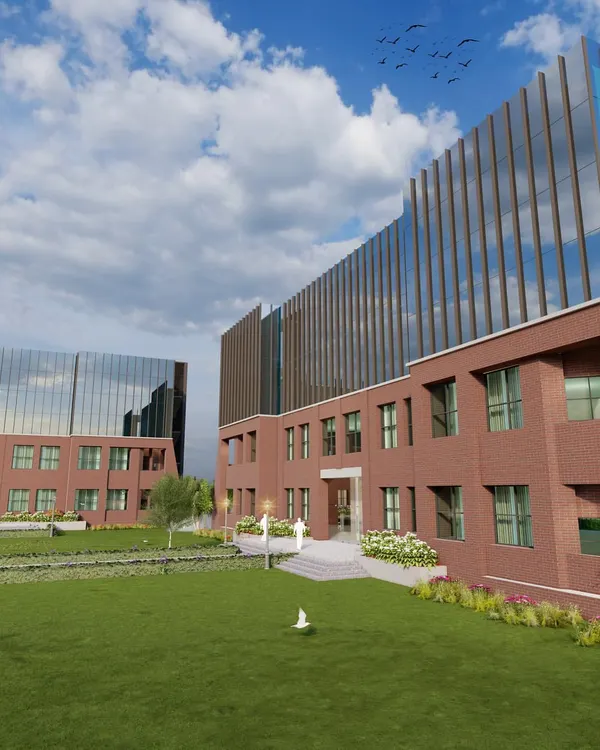 4
4
Modern Institutional Architecture for Inspiring Campuses
 21
21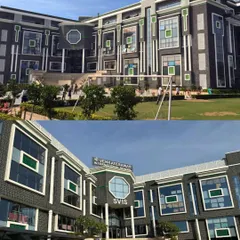
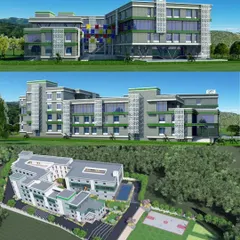
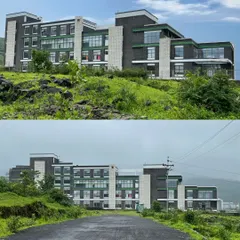
Educational Institutions: Designing Functional Learning Spaces
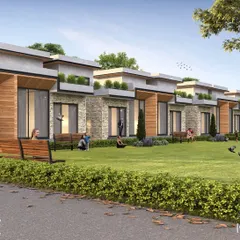
Multi-Unit Housing and Community Master Planning
More from Healthcare Interior Design by Creative Designer Architects
More services by Creative Designer Architects