Functional Healthcare Interior Design and Operational Spaces
Hospital design goes beyond clinical wards. We optimize corridors, administrative areas, and support zones to enhance staff efficiency and improve the patient experience throughout your facility.
This bright, glass-lined corridor at Max Super Speciality Hospital is designed for intuitive wayfinding. The use of natural light and reflective surfaces creates a calm and restorative visual environment.
A corridor at Max Super Speciality Hospital featuring clear wayfinding signage and a warm, neutral color palette. The design follows evidence-based principles to support efficient circulation for staff and intuitive navigation for patients.
Art is integrated into this hospital corridor to provide a positive distraction and reduce the clinical feel. The vibrant paintings and clean lines create a space that is both functional for circulation and uplifting for users.
The interior of Fortis Hospital in Ludhiana combines functionality with a soothing spatial experience. This view shows the seamless circulation and optimized zoning that define our human-centric approach.
A detail shot from Fortis Ludhiana, showing how we use wooden slats to create visual interest and define smaller, more intimate seating areas within a larger space. This balances openness with a sense of privacy.
The public corridor at SPS Hospital Clinic features a perforated metal screen. This facade element filters natural light, creating dynamic patterns of light and shadow while maintaining a connection to the outside.
This glass-walled corridor at Max Super Speciality Hospital overlooks the city, providing patients and staff with expansive views and abundant natural light, which is essential for well-being.
The facade of the SPS Hospitals Medcentre is designed to be simple yet functional. The vertical fins help control heat gain while allowing natural light to flood the interior, creating a bright and inviting ambience.
The registration area at Sarvesh Health City is clean, organized, and functional. The use of wood paneling and clear numbering for counters ensures an efficient and welcoming experience for patients.
This consultation room at Sarvesh Health City is simple, private, and filled with natural light. The design provides a comfortable and professional setting for doctor-patient interactions.
About Additional Work & Spaces
These support areas are often overlooked, but a well-planned hospital corridor or registration desk is essential for reducing staff burnout and patient stress. We design these zones using evidence-based metrics, standardizing dimensions and optimizing wayfinding, so that your operational flow remains intuitive and clear regardless of how busy the facility gets.
In healthcare architecture, the spaces between the operating theatres and patient wards are just as critical to overall performance. A poorly designed corridor or an inefficient administrative layout creates bottlenecks that disrupt care delivery and increase the cognitive load on both staff and visitors.
The Impact of Functional Design
Our approach to support spaces—like corridors, registration counters, and back-office administrative zones—is rooted in data-driven planning. We implement standardized spatial modules that ensure consistency across the facility. For instance, in our recent projects, we have utilized precise lighting strategies and high-durability, low-maintenance material palettes that withstand heavy traffic while maintaining a clean, professional aesthetic.
Reducing Operational Friction
Wayfinding is a key component of our interior design process. We integrate clear, intuitive signage and visual cues into the architecture itself, reducing the need for constant staff intervention. By aligning these support spaces with clinical workflows, we help reduce the distance staff must travel for routine tasks, which significantly improves operational efficiency.
Designing for Resilience
Whether we are retrofitting an existing building or planning a new expansion, we ensure that administrative and support zones remain flexible. This adaptive planning allows your facility to scale and change as medical technology and hospital requirements evolve over time. By treating these 'secondary' spaces with the same rigor as specialized clinical areas, we create a more cohesive, manageable, and stress-free environment for everyone who walks through your doors.
Similar work from other experts
Browse through Curated picks from other experts on mytribe
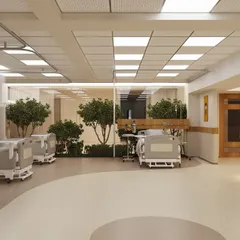
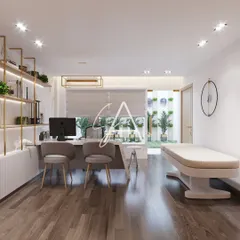
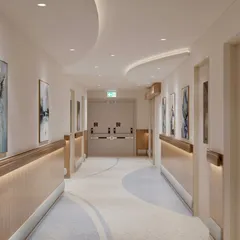
Modern Clinic and Healthcare Interior Design
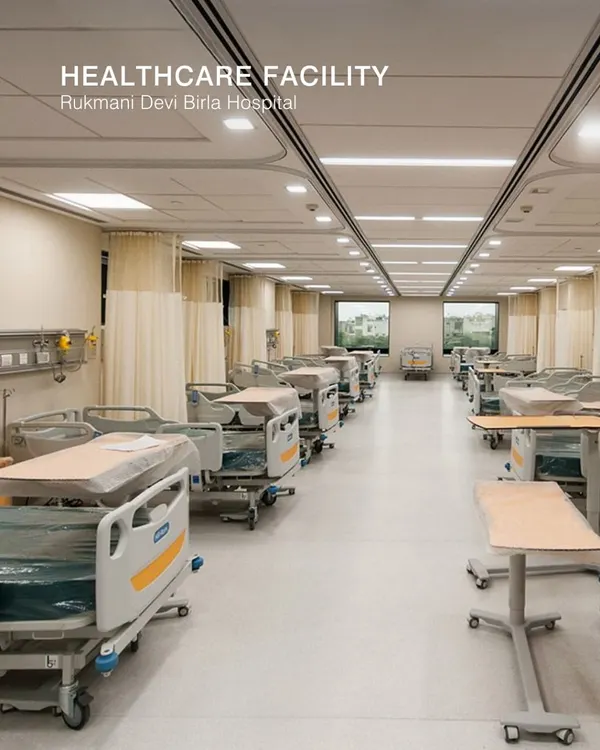 4
4
Specialized Institutional Architecture and Design
 9
9
Commercial and Institutional Architectural Designs
 14
14
Large-Scale Multi-Specialty Hospital Architecture and Design
 22
22
Commercial & Institutional Interior Design
 27
27
Commercial and Clinic Interior Design
More from Healthcare Interior Design by Creative Designer Architects
More services by Creative Designer Architects