Our Evidence-Based Healthcare Design Philosophy
We transform clinical environments into restorative sanctuaries using research-backed design principles that accelerate patient recovery and improve staff efficiency.
We design for recovery by using evidence-based design (EBD) approaches. This means every choice, from the layout of a patient room to the view from a window, is backed by research to promote healing and well-being.
"If a place can make you happy, can it also make you well?" This question is at the heart of our evidence-based design approach. We create supportive, healing environments for both patients and caregivers.
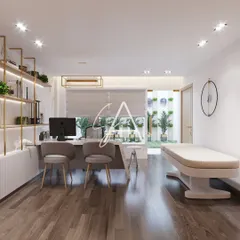
A key EBD strategy is providing abundant natural light and scenic views. This consultation room with a large window offers a calming vista, which is proven to improve mood and enhance patient well-being.
Maximizing natural light and providing positive distractions like art or nature views are core strategies in EBD. These elements create calm, stress-free environments that support healing.
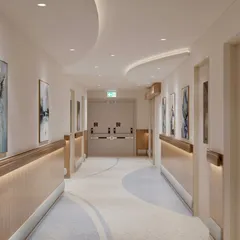
Effective wayfinding through clear signage and intuitive layouts reduces anxiety. We also prioritize patient privacy and control over their environment, such as lighting and temperature, to reduce stress.
Standardized layouts for rooms and wards streamline operations and reduce medical errors. We also address environmental stressors by improving acoustics, air quality, and ergonomics to create more comfortable spaces.
This video introduces our use of Evidence-Based Design principles. This approach allows us to create positive, stress-free, and calming healthcare environments by making design decisions based on credible research.
Neuro-aesthetic design combines neuroscience and design to create spaces that enhance well-being, productivity, and healing. This aerial view of a hospital campus shows our commitment to creating these impactful environments.
Neuro-aesthetic design offers a powerful means of reducing stress by thoughtfully crafting sensory experiences. We use visual, tactile, and acoustic stimuli to create environments that promote comfort and well-being.
By integrating insights from neuroscience and psychology, we are adopting a holistic approach that extends beyond clinical treatments. This investment in healing spaces demonstrates a commitment to patient-centered care.
About Our Design Philosophy & Process
Our methodology shifts focus from stylistic concerns to functional outcomes, anchoring every architectural decision in empirical research. We apply specific clinical zoning to streamline staff circulation and implement neuro-aesthetic interventions—such as optimized daylighting and acoustic dampening—to measurably reduce patient anxiety, ensuring the physical environment actively contributes to the healing process.
Bridging Architecture and Clinical Outcomes
We operate on the premise that healthcare facilities are living systems rather than static containers. Our design philosophy centers on two primary pillars: Evidence-Based Design (EBD) and Neuro-aesthetics.
Evidence-Based Design (EBD)
We move beyond intuition, relying on rigorous research to inform our layouts. Every project begins with an analysis of operational needs. We evaluate how the spatial arrangement of nursing stations, patient wards, and diagnostic suites impacts the efficiency of care delivery. By simulating clinical workflows, we minimize the steps staff must take and reduce the likelihood of medical errors, creating a foundation that supports, rather than hinders, medical intervention.
The Science of Neuro-aesthetics
Our interiors utilize neuro-aesthetic principles to address the sensory experience of patients. We understand that hospital environments are often high-stress. To counteract this, we employ:
- Circadian Lighting Integration: Maximizing natural light exposure to stabilize patient sleep cycles and mood.
- Color Psychology: Strategic use of muted, earthy tones in recovery zones to lower heart rates, contrasted with targeted accents for intuitive wayfinding.
- Acoustic Management: Implementing material selections that dampen the harsh, repetitive sounds of clinical equipment, which are significant stressors in ward environments.
Adaptive and Future-Ready Spaces
We design with the understanding that healthcare is a rapidly evolving field. Our planning includes modular zoning and flexible infrastructure, allowing facilities to expand or reconfigure services without necessitating full-scale demolition. Whether transforming an existing commercial structure or developing a new medical campus, our approach ensures long-term operational viability and financial sustainability for facility owners.
Similar work from other experts
Browse through Curated picks from other experts on mytribe
 12
12
The Architecture of Healing: Hospital Interiors & Wayfinding
Modern Clinic and Healthcare Interior Design
 6
6
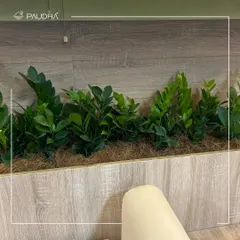
Biophilic Design for Healthcare & Wellness Spaces
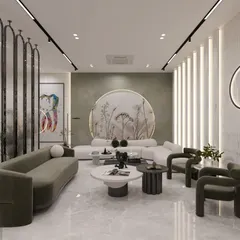
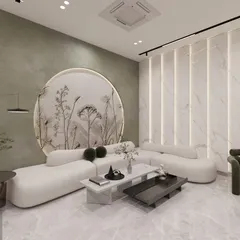
Modern & Calming Clinic Interior Design
 9
9
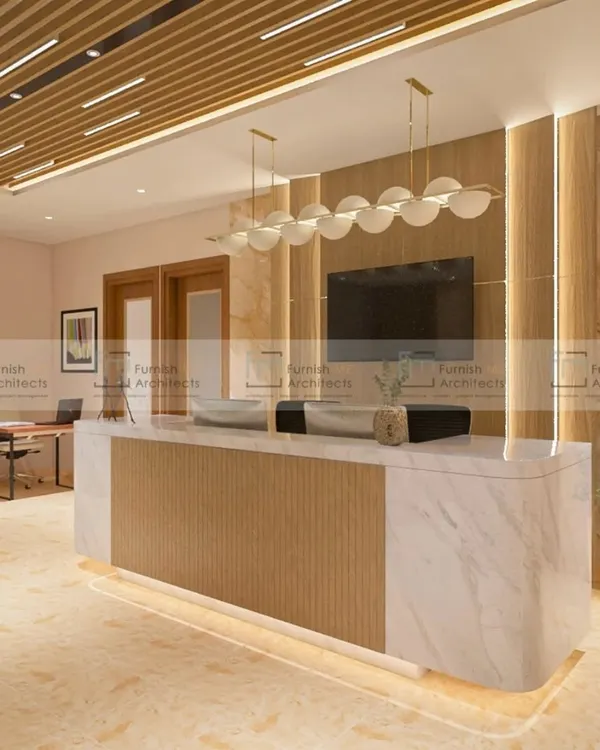
Healthcare & Wellness Interior Design
 4
4
Designing Restorative Wellness Sanctuaries
More from Healthcare Interior Design by Creative Designer Architects
More services by Creative Designer Architects