Welcoming Hospital Entrances and Public Spaces Design
The hospital entrance is the first point of care. We design lobbies, atriums, and waiting areas that serve as emotional reset points, replacing sterile, anxious environments with clear navigation, biophilic elements, and calming, human-centric architecture.
The main reception at Sarvesh Health City in Hisar features a double-height ceiling and clean lines to create a sense of calm and order. The design prioritizes clear wayfinding to reduce visitor anxiety from the moment of entry.
At Pragma Medical Institute, the expansive, sunlit central atrium serves as the primary circulation hub. The design provides generous waiting areas and clear sightlines to various departments, reflecting our evidence-based approach to enhancing caregiver and patient experience.
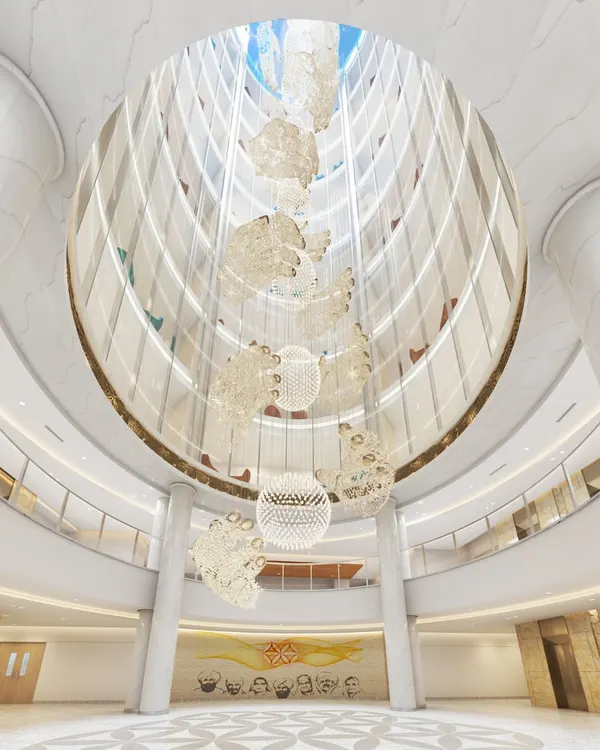
This rendering of Yashoda Medicity's grand lobby showcases our vision for next-generation healthcare. The vast, multi-level space is designed for intuitive navigation and integrates natural elements to create a welcoming, non-clinical atmosphere in a 1200-bed facility.
The reception area at Fortis Healthcare in Ludhiana combines warm wood tones with a clean, modern aesthetic. This space was part of an adaptive reuse project, transforming an existing structure into a high-performing, patient-friendly hospital.
This bright, glass-fronted entrance at Sri Ram Cancer Super Speciality Centre ensures that natural light floods the lobby. The design creates a transparent and welcoming first impression, easing the transition from the outside world into the clinical environment.
The waiting area at SPS Hospital Clinic features a sculptural central column and curved, organic seating. This design uses neuro-aesthetic principles to create a calming, fluid space that reduces patient anxiety and enhances comfort.
The reception area at Max Patient Services features a geometric ceiling design and a mix of warm wood and clean white surfaces. This combination of materials and forms creates a visually engaging yet orderly environment for arriving patients.
In the Fortis Hospital in Greater Noida, a converted hotel, the lobby retains a sense of hospitality. We used warm, indirect lighting and comfortable seating clusters to create a relaxed atmosphere, reducing the institutional feel.
A wide-angle view of the Sarvesh Health City entrance shows how glass walls and an open floor plan create a seamless connection between the interior and exterior. This design maximizes daylight and provides a clear, unobstructed welcome.
The spacious, light-filled lobby at Sarvesh Health City in Hisar is designed to handle high footfall while maintaining a serene atmosphere. The polished marble floors and high ceilings contribute to a feeling of openness and calm.
About Welcoming Entrances & Public Spaces
In a hospital environment, the lobby is not merely a transition zone; it is a critical tool for anxiety reduction. We move away from the traditional, sterile institutional layout by employing neuro-aesthetic principles—such as strategic natural light placement, double-height ceilings to create a sense of openness, and intuitive wayfinding. This creates a space that actively helps patients and their families feel oriented and supported the moment they walk through the door, rather than overwhelmed by clinical complexity.
Our approach to public spaces in healthcare facilities is rooted in Evidence-Based Design (EBD). We believe that the built environment should actively contribute to the healing process. When we design a reception, an atrium, or a waiting lounge, we are engineering a 'first impression' that prioritizes patient dignity and staff efficiency.
The Science of Arrival
Public spaces are the most high-traffic areas of a hospital. Poorly planned entrances lead to confusion, which directly correlates to increased stress levels for patients and families. By utilizing clear sightlines and logical circulation paths, we minimize the cognitive load on visitors. We often integrate central atriums, as seen in our projects like Pragma Medical Institute, to act as a primary circulation hub, allowing natural light to penetrate deep into the facility and helping occupants maintain a sense of time and connection to the outdoors.
Neuro-Aesthetics and Materials
The materials we select are chosen for their psychological impact. We avoid the clinical, cold finishes often associated with healthcare. Instead, we use warm wood tones, organic curves, and tactile surfaces to introduce a residential feel that contrasts with the clinical environment. In adaptive reuse projects, such as our work with Fortis Healthcare, we carefully retain structural integrity while transforming the lobby into a high-performing, welcoming zone that feels contemporary and reassuring.
Operational Efficiency
A lobby must work as well as it looks. We incorporate flexible seating clusters and semi-private admissions areas to offer comfort and discretion during the registration process. This zoning ensures that administrative functions—like check-in desks and pharmacy access—are easily identifiable, reducing operational bottlenecks and ensuring that staff can manage high footfall without sacrificing the quality of interaction.
Similar work from other experts
Browse through Curated picks from other experts on mytribe
 12
12
The Architecture of Healing: Hospital Interiors & Wayfinding
 9
9
Healthcare & Wellness Interior Design
 9
9
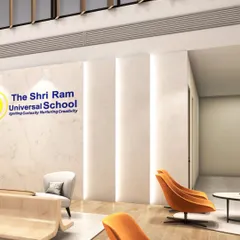
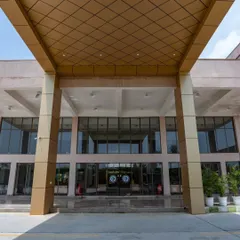
Grand Entrances & Lobbies for Educational Institutions
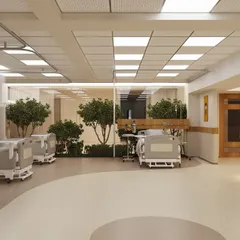
Modern Clinic and Healthcare Interior Design
 6
6
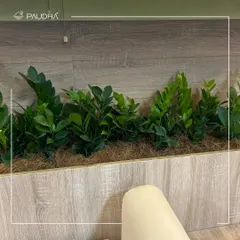
Biophilic Design for Healthcare & Wellness Spaces
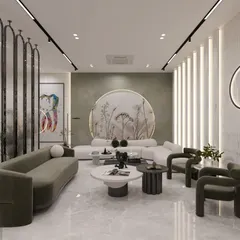
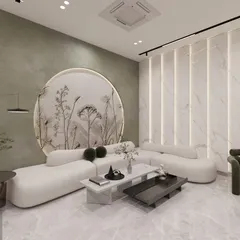
Modern & Calming Clinic Interior Design
More from Healthcare Interior Design by Creative Designer Architects
More services by Creative Designer Architects