Pelvic Floor & Core Health Rehabilitation
Your core and pelvic floor are the foundation of your daily movement and function. If you are dealing with incontinence, pelvic pain, or postnatal challenges, I provide clinical, evidence-based rehabilitation to help you regain control and strength.
Urinary incontinence is a common but treatable condition. This image shows an anatomical view of the urinary system, highlighting the structures involved that I work to strengthen and coordinate.
Understanding urinary incontinence starts with defining it. I educate my clients on the different types, such as stress and urge incontinence, to create a more precise and effective treatment plan.
The causes of urinary incontinence often relate to pelvic floor muscle dysfunction, which can result from pregnancy, surgery, or trauma. My approach is to identify and address these underlying root causes.
Physiotherapy offers multiple strategies to treat incontinence. My plans can include pelvic floor and core strengthening, targeted inner thigh exercises, breathing techniques, and electrical stimulation to re-educate the muscles.
Here, I am guiding a client through a core strengthening exercise using a stability ball. Building a strong, functional core is essential for supporting the pelvis and improving overall stability and balance.
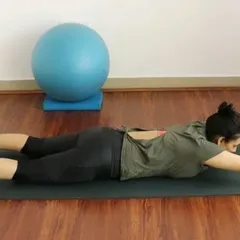
A strong pelvic floor is crucial for bladder control and pelvic organ support. Exercises like the bridge pose, shown here, are fundamental in my programs for activating and strengthening these deep muscles.
This visual represents the experience of urinary incontinence. It is a condition that affects many women, and my goal is to provide a safe space to discuss and treat it effectively.
This infographic defines the different types of urinary incontinence. Educating my clients is a key part of my process, empowering them to understand their bodies better.
This slide explains the common causes of urinary incontinence. By understanding why it happens, we can better target the treatment to your specific situation, whether it is related to pregnancy or muscle weakness.
My physiotherapy approach to incontinence is multi-faceted. This list outlines some of the techniques I use, from targeted muscle strengthening to breathing exercises, to restore function and control.
About Pelvic Floor & Core Health
My approach to pelvic floor health starts with a 60-minute diagnostic session where I perform a manual assessment of your pelvic muscle tone and diastasis recti gap. Instead of generic advice, I use this data to create a custom roadmap that might include Myofascial Release, breathing retraining, or specific Pilates movements designed to close abdominal gaps safely without increasing internal pressure.
Beyond Generic Exercises
Many women come to me after trying generalized fitness routines that ended up worsening their pelvic floor dysfunction or diastasis recti. My clinical approach is different. I do not believe in 'one-size-fits-all' Pilates; I treat the pelvic floor as a dynamic system that requires coordination, not just strength.
Conditions I Treat
- Urinary Incontinence: Whether you experience leakage while sneezing, coughing, or during exertion, we identify whether the issue is stress or urge-related and target the specific muscles responsible.
- Diastasis Recti: I provide safe, clinical protocols to help close abdominal separation, focusing on deep core engagement rather than straining your already vulnerable tissues.
- Chronic Pelvic Pain: Using manual therapy, Myofascial Release, and neuro-muscular re-education, I help release tension held in the pelvic region.
Clinical Modalities
- Manual Therapy: Hands-on mobilization for scar tissue and pelvic girdle pain.
- Biofeedback & Cueing: Using tactile feedback to ensure you are engaging the Transverse Abdominis and Pelvic Floor correctly.
- Movement as Medicine: Utilizing equipment like the Reformer, Cadillac, or Wunda Chair to modify loads, ensuring you strengthen your core without increasing intra-abdominal pressure.
How to Start
Whether you visit my studio in Vidyaranyapura or prefer home visits across North Bangalore, your journey begins with an assessment. We review your obstetric history, perform a postural analysis, and develop a roadmap that incorporates manual therapy, movement, and home advice that fits into your life as a mother or professional.
Similar work from other experts
Browse through Curated picks from other experts on mytribe
Restore Your Core: Post-Natal Recovery and Physiotherapy
Pelvic Floor & Core Recovery
Restore Your Pelvic Floor and Posture After Childbirth
Specialized Women's Health Pilates
Postpartum Recovery: Core Rehab from the Inside Out
Postpartum Recovery and Core Rebuilding
More from Women's Health Physiotherapy by Body & Mind PhysioPilates Studio
More services by Body & Mind PhysioPilates Studio