Upcycled Architecture: Giving Waste New Life
We believe there is no such thing as 'junk'. From discarded railway windows to obsolete keyboards, we turn perceived waste into structural beauty, reducing the environmental footprint of every building we design.
The ceiling of the car park at the Professor's Residence, made by embedding discarded computer keyboards into the concrete slab. This is one of our favorite examples of creative upcycling, turning e-waste into a unique textural element.
The ceiling of the car park at the Professor's Residence, made by embedding discarded computer keyboards into the concrete slab. This is one of our favorite examples of creative upcycling, turning e-waste into a unique textural element.
This video shows the journey of the Eklavya campus facade, from concept sketches to the final living wall. The entire facade is constructed from windows reclaimed from a 'kabadi ki dukaan' or scrap store, a five-year journey of turning waste into wonder.
The lush greenery that has now taken over the Eklavya campus. The facade, made of reclaimed windows, was designed with integrated planters to encourage this growth, creating a vertical garden that supports local biodiversity.
The lush greenery that has now taken over the Eklavya campus. The facade, made of reclaimed windows, was designed with integrated planters to encourage this growth, creating a vertical garden that supports local biodiversity.
Playful openings in the brick wall of the Spastic Society classroom. These shapes, resembling animals and people, were created by strategically leaving out bricks, a simple yet creative way to add character and ventilation using a basic material.
Playful openings in the brick wall of the Spastic Society classroom. These shapes, resembling animals and people, were created by strategically leaving out bricks, a simple yet creative way to add character and ventilation using a basic material.
Playful openings in the brick wall of the Spastic Society classroom. These shapes, resembling animals and people, were created by strategically leaving out bricks, a simple yet creative way to add character and ventilation using a basic material.
Playful openings in the brick wall of the Spastic Society classroom. These shapes, resembling animals and people, were created by strategically leaving out bricks, a simple yet creative way to add character and ventilation using a basic material.
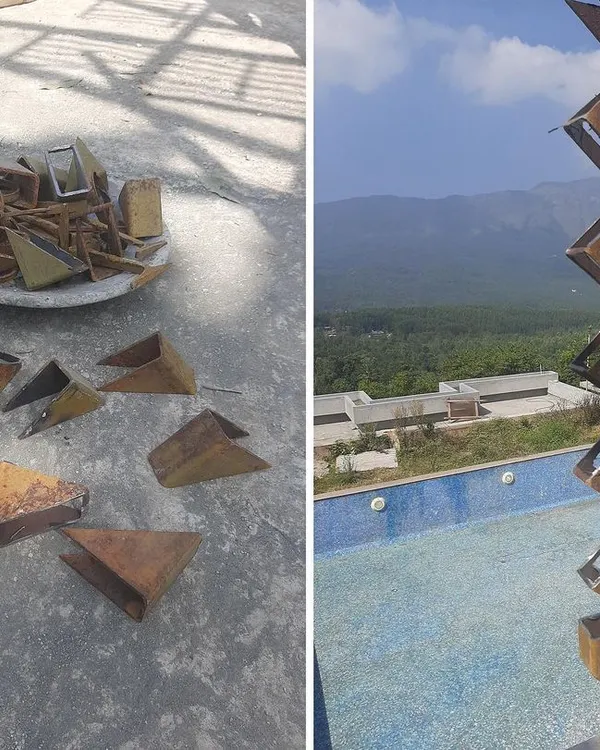
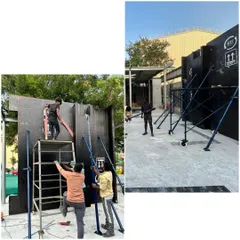
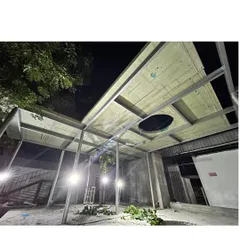
The construction of a vaulted roof using hollow bricks and a temporary steel formwork. This technique, used in the Professor's Residence, is structurally efficient and creates beautiful, thermally comfortable interior spaces.
About Material Innovation & Upcycling: Giving Waste New Life
When we talk about upcycling, we are not just decorating with salvaged items; we are re-imagining the lifecycle of materials. We have turned discarded computer keyboards into ceiling textures and sourced old railway windows to build entire facades. This approach requires more than just a creative eye—it demands cleaning, structural assessment, and patience in sourcing. If you have a site with existing demolition material, we can help you audit what can be saved, cleaned, and integrated into your new design to reduce both costs and carbon footprint.
Our Approach to Material Innovation
For us, a building is not just a structure but a 'waste sink' that can absorb materials slated for the landfill. We don't view upcycling as a niche aesthetic choice; it is a fundamental part of our ecological practice. By integrating salvaged components—like doors from demolition sites, railway wood, or construction debris—we reduce the demand for new, energy-intensive raw materials.
Why Upcycling Matters
- Reducing Embodied Energy: Manufacturing new materials consumes vast amounts of energy and water. Using what already exists bypasses that entire production cycle.
- Historical Continuity: Reclaimed materials often carry a history. A Chettinad door or a decades-old window frame brings a layer of texture and narrative that modern factory-made products simply cannot replicate.
- Local Biodiversity: As seen in our Eklavya campus project, we designed a facade using reclaimed railway windows with intentional gaps. These gaps now serve as nesting spaces for birds, allowing the building to support local biodiversity.
The Process
- Material Audit: Before any design begins, we walk through the site or nearby scrap markets to identify potential resources.
- Design Integration: We treat reclaimed materials as key design elements, not afterthoughts. Whether it is embedding e-waste into concrete slabs or using stone from one site to build arches in another, the material dictates the form.
- Technical Rigor: Upcycled materials are rigorously tested for structural integrity. If a piece of wood or metal is going to bear weight, we ensure it meets safety standards before it becomes part of your home.
Building this way is often more labor-intensive and unpredictable than traditional construction. It requires working with local craftspeople who know how to adapt and repair, rather than replace. We invite you to see waste as a raw material for your next project.
Similar work from other experts
Browse through Curated picks from other experts on mytribe
 9
9
Upcycled and Shipping Container Architecture Projects
Adaptive Reuse and Material Innovation in Architecture
 35
35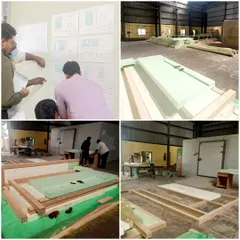
Sustainable Architecture and Eco-Friendly Construction Projects
 14
14
The Art of Materiality
The Craft of Sustainable Building
 11
11
Adaptive Reuse Architecture and Heritage Retrofitting
More from Sustainable Architecture by Biome Environmental Solutions
More services by Biome Environmental Solutions