The Craft of Sustainable Building
I do not believe in fighting against nature to build. My work focuses on working with the earth beneath us and the climate around us to create spaces that breathe, cool themselves, and tell a story through the materials they are made of.
I believe the most sustainable material is the one you find on site. Here, I explain how we used the earth from the basement excavation at the Butterflies project to create over 70% of the building's walls, a truly circular approach to construction.
This video shows two key construction techniques from the Butterflies Centre. First, the on-site production of cement-stabilized earth blocks, and second, the use of a Bubble Deck slab, which uses recycled plastic balls to reduce concrete and lighten the structure.
A view through an arched opening framed by walls made of stabilized earth blocks. The soil was excavated directly from the basement, making it the primary, hyper-local building material for the project.
A hallway at the Butterflies Centre, showcasing the texture and warmth of the earth block walls. This material is not only sustainable but also provides excellent thermal insulation, keeping the interiors comfortable.
The process of creating precast wall storage units, also known as an *Aala*. This small alcove is a traditional design element we have modernized to add utility and character to a wall, serving as a small shelf for everyday items or a space for prayer.
About The Craft of Sustainable Building
Take a look at the 'Aala' or alcove units shown here. We precast these on-site to replace standard hollow blocks, which saves on material costs while adding a functional, personal touch to the wall. It is a small detail, but these are the decisions that make a building cost-effective and human-friendly without relying on complex, expensive machinery.
Sustainability is not about adding expensive gadgets to a building; it is about understanding the site and what it can offer. At our Butterflies project in Delhi, we did not just build; we recycled the site itself. The earth excavated from the basement became the raw material for over 70% of the building’s walls. We used a hydraulic machine to compress this soil into cement-stabilized earth blocks on-site, cutting down transport costs and reducing our carbon footprint significantly.
This approach extends to the structure. We were the first in Delhi to use a Bubble Deck slab. By placing recycled plastic balls within the concrete slab, we lightened the structure and used less concrete, which is a major contributor to a building's embodied energy. It is an engineering choice, but it results in a space that feels lighter and uses fewer resources.
I also believe in the beauty of the past. Why manufacture something new when a piece of history is available? We sourced vintage doors and windows from demolition sites, giving them a new home in our designs. It is not just about eco-friendly choices; it is about character. These elements add a story to the building that factory-made materials simply cannot replicate.
If you are planning a space, consider this: what can the site give you? Whether it is the wind patterns for passive cooling or the soil for your walls, the most sustainable building is the one that respects its own footprint.
Similar work from other experts
Browse through Curated picks from other experts on mytribe
 12
12
Material Craft: Bamboo, Stone & Upcycled Elements
Sustainable Building Techniques and Construction
 14
14
The Art of Materiality
 6
6
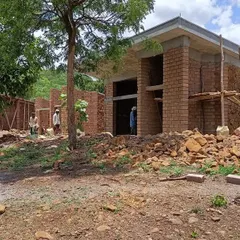
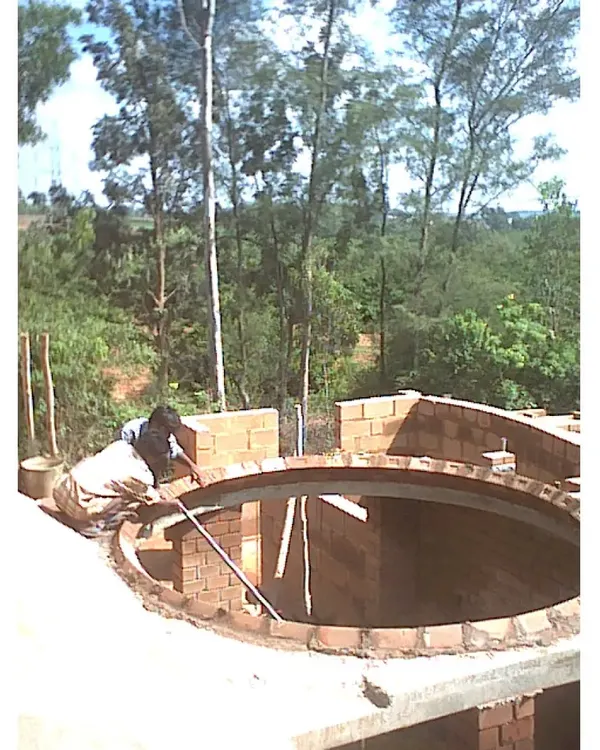
Ecological Architecture: Our Hands-On Construction Process
 4
4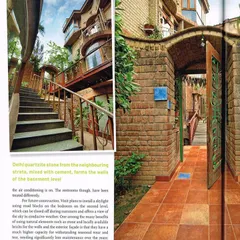
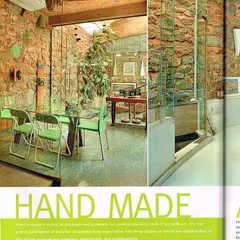
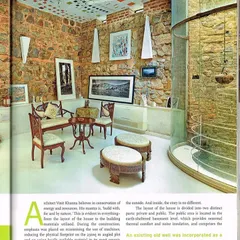
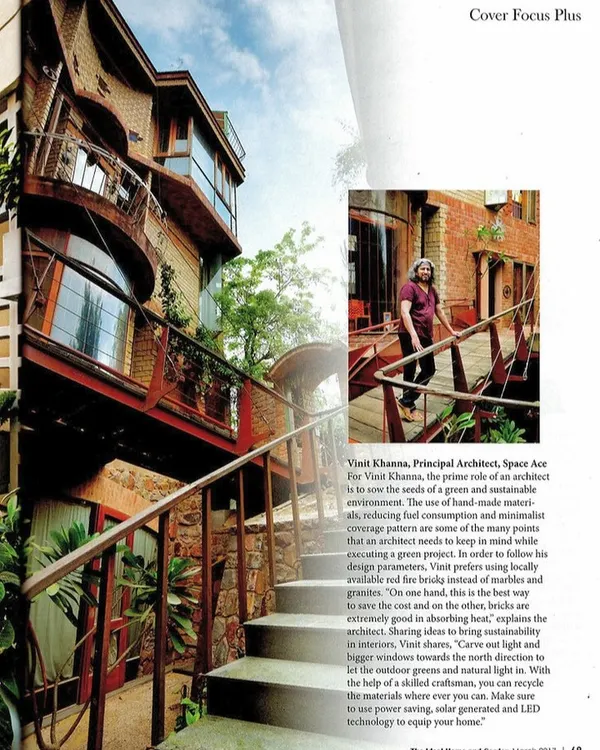
Sustainable Architecture Features in Design Magazines
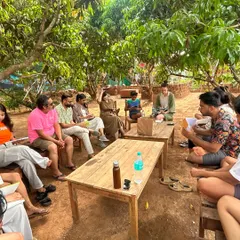
Sustainable Luxury: Modern Earth Homes
More from Commercial & Institutional Architecture by Ashok B Lall
More services by Ashok B Lall