Community-Led Design & Development in Bengaluru
We design and build spaces with full community involvement, using local skills and materials so every project truly belongs to the people who use it.
Pricing Guide
ESTIMATESAbout Community-Led Design & Development
Building With, Not Just For, Communities
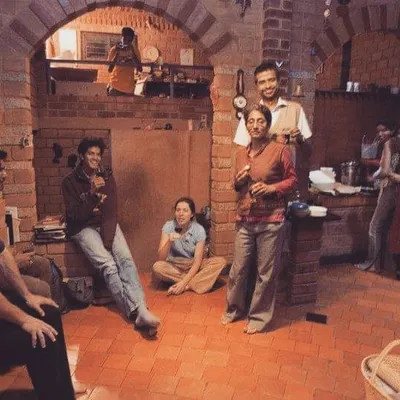
I see design as a shared journey, not a solo act. The best spaces come from people working together, not just blueprints. My process brings everyone to the table - elders, kids, artisans, NGOs, even local sarkari (government) folks if needed. Projects are shaped by listening: we talk, argue, learn, and sometimes even unlearn. It's not always neat, but that's how spaces get heart.
How Collaboration Happens
- participatory building design means everyone’s voice counts, not just the architects
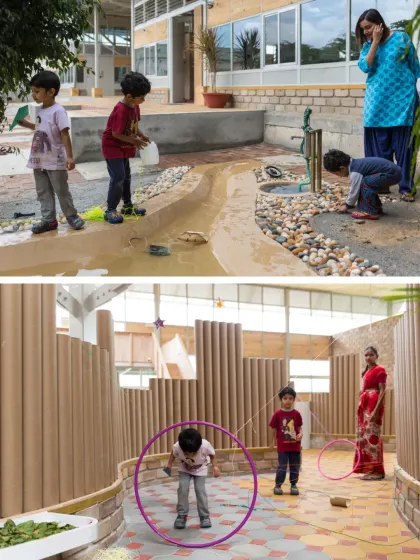
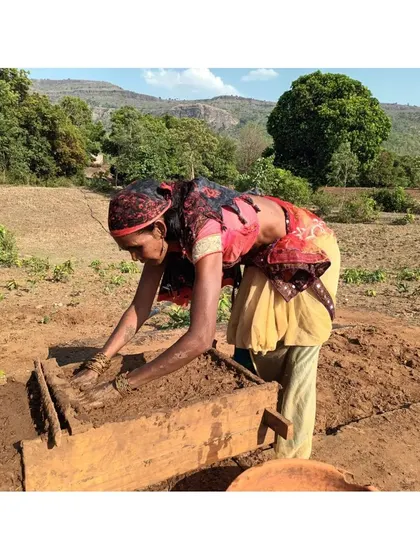
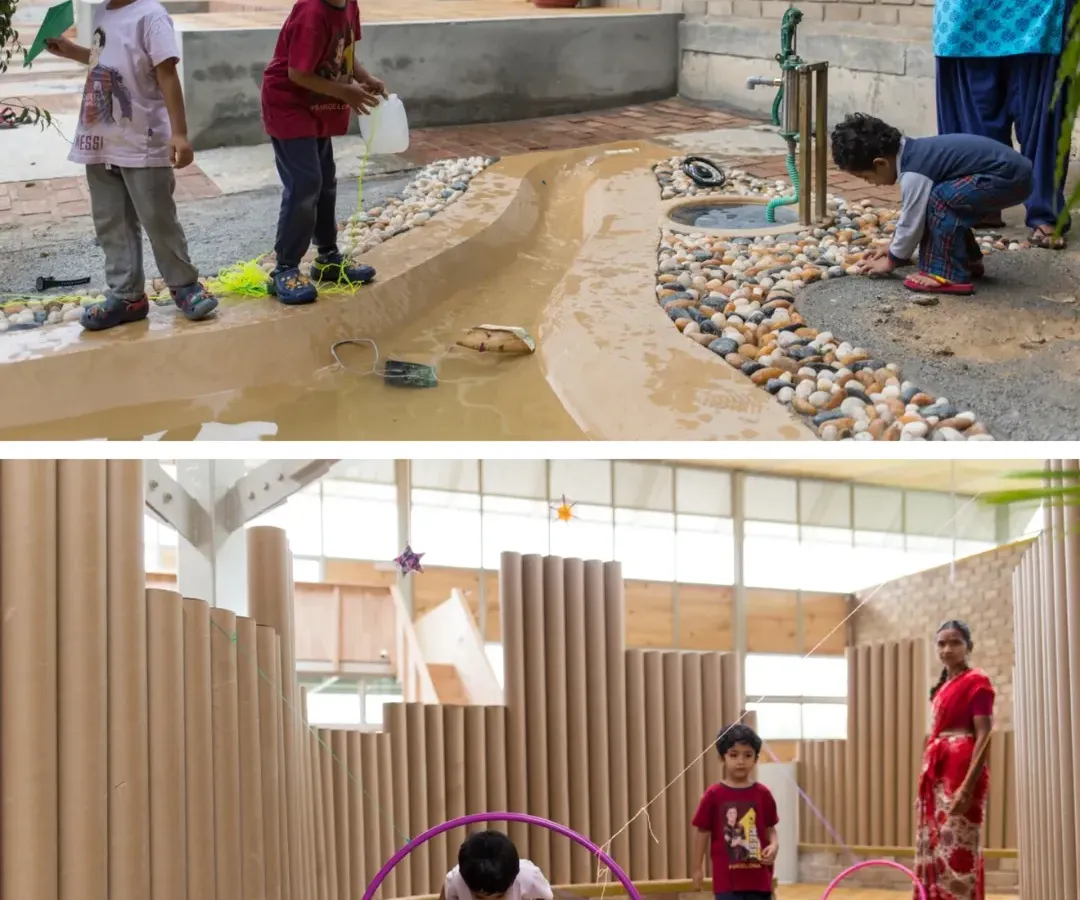
- Local skills aren’t just showcased, they drive the work - village artisans, school kids, neighbours, all pitch in
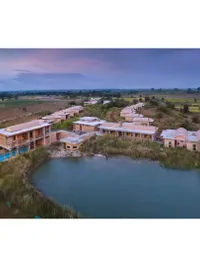
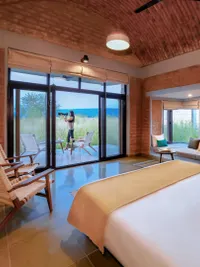
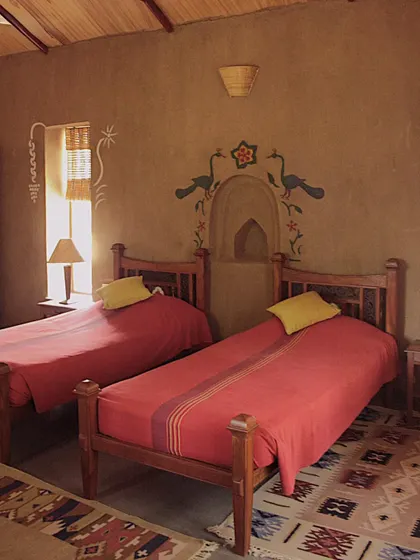
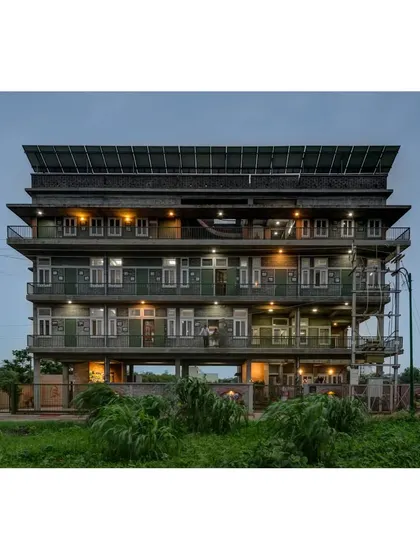
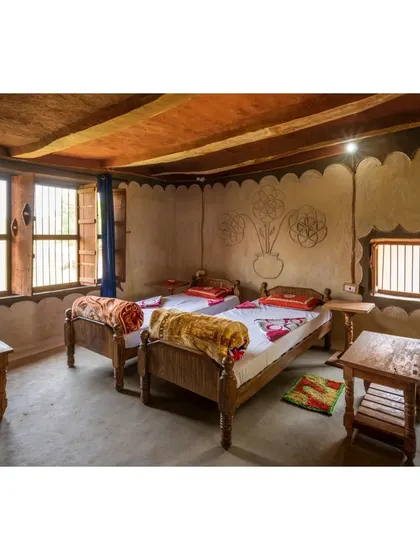
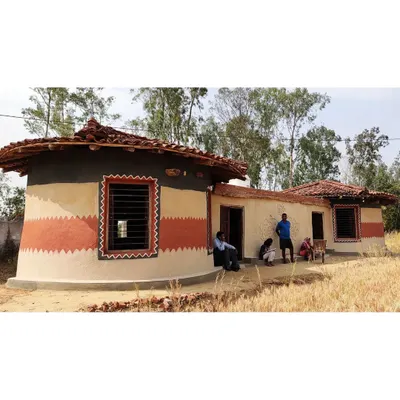
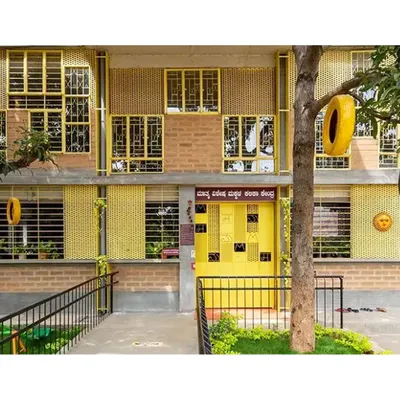
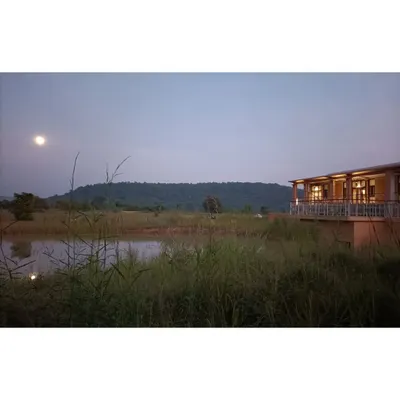
- Each build is rooted in place: mud houses for rural tourism, community wells that double up as addas (hangouts), and school spaces full of local craft
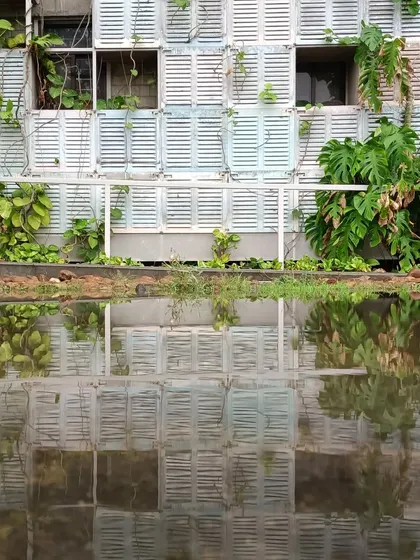
- vernacular architecture collaboration - we use local styles and materials, right down to finding gems in the kabadi ki dukaan (scrap dealer’s shop)
- Projects don’t just give a building, they spark jobs, pride, and sometimes, new traditions
Why It Matters
Every project is different, but the goal stays the same: spaces that feel like they truly belong. I’m not chasing magazine spreads; I want buildings that talk about the land, the hands, and the people who made them. If you want a place that fits your community, not just the architect’s vision, let’s have that first conversation.
Highlights
Browse through Biome Environmental Solutions's best work
Meet your Expert
Biome Environmental Solutions
My Story
We started out wanting to get our hands dirty, literally. For us, design kicks off with the land, the local folks, and whatever materials are lying around. It’s not just about making buildings, it’s about stories—like those homestays in MP, where elders and kids slap on mud murals together. We love digging through kabadi ki dukaan (scrap shop) for old windows, or giving Chettinad doors a second life. Every wall’s got a memory, some future too.
My Work
What We Build - Private homes, schools, big community spaces, vernacular homestays, and sometimes interiors, always with an eco-first mindset.
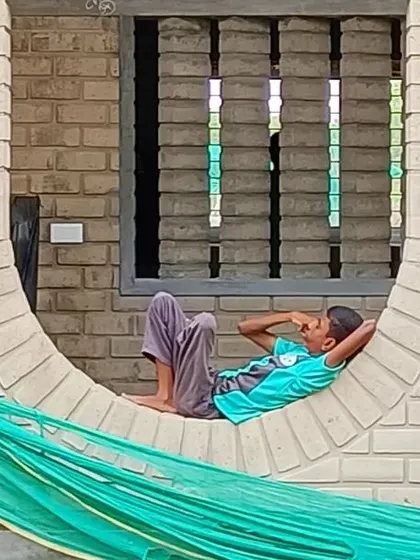
Earth & Ecological Architecture - We use mud, stone, adobe, cob—keeping natural mud wall construction alive and local architecture from fading out.
Community Collaboration - Every project is participatory. We work with NGOs, governments, and locals—craftsmen lead, we follow.
Circularity & Reuse - Recycled building materials are our jam. We turn waste into windows, old doors into new stories.
Future-Ready Design - Design for disassembly means spaces can change, adapt, and get reused—buildings aren’t forever, but their purpose can be.