Sustainable Architecture in Bengaluru

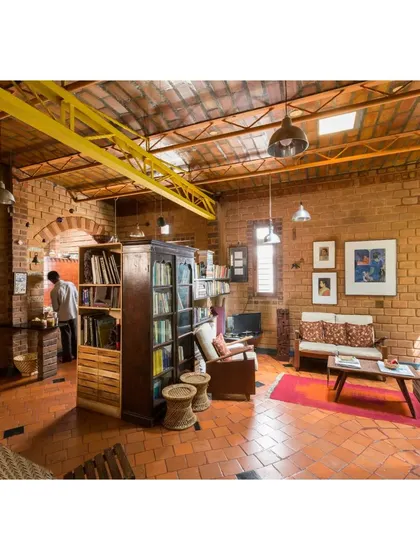
We design buildings using local materials like mud and stone, reuse old components, and work directly with communities to create spaces that waste less and support local biodiversity.
Pricing Guide
ESTIMATESAbout Sustainable Architecture
Why We Build This Way
We see architecture as a living conversation with the land. For us, it’s not about chasing fads - ecological design is just the right thing to do. I care about every step, from where materials come from to how a building ages and eventually returns to the earth.
Our Principles
Everything starts with the land, the people, and the materials around us. We design for circularity, so as little as possible goes to waste. Passive cooling techniques are always part of our playbook - daylight, breeze, and smart orientation do the heavy lifting. Water isn’t just a utility - we treat it as a resource, with rainwater harvesting systems and natural wastewater reuse. Every building is a chance to let local biodiversity thrive. If there’s a choice, we pick local, natural resources.
Materials & Methods
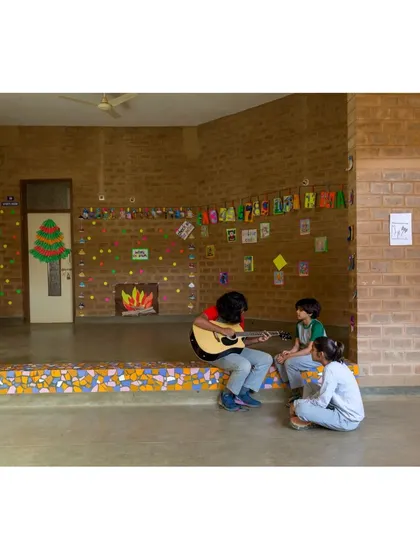
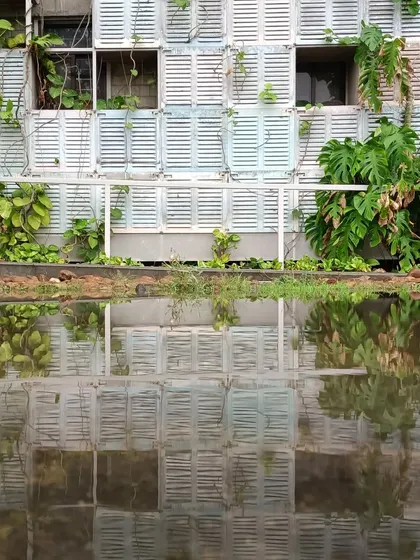
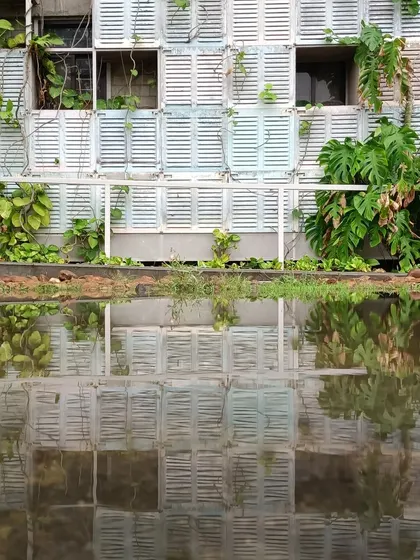
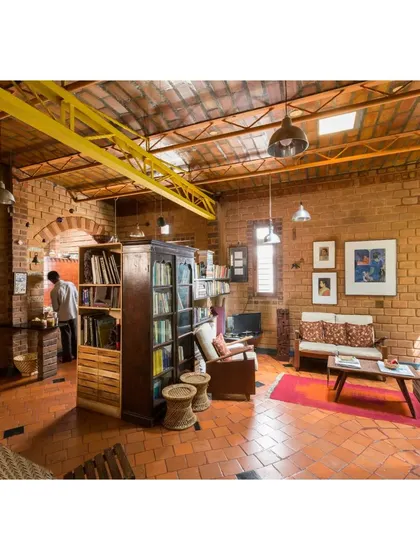
Mud, stone, recycled stuff - that's our vibe. We use eco-friendly building materials, like Compressed Stabilised Earth Blocks (CSEB) and Rammed Earth, often made from soil dug right on-site. Sometimes, the so-called junk - old window frames or demolition debris - gets a second life as part of the new space. Adaptive reuse of building components isn’t just theory for us, it’s the way we work.
What We’ve Done
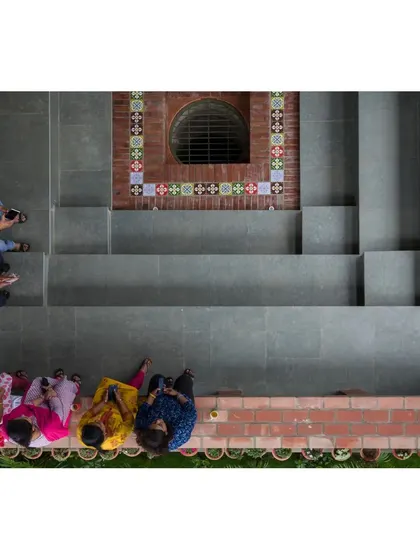
Homes, schools, community centers, even homestays - we apply the same principles everywhere. Community-driven design means we work with clients, craftspeople, and local artisans, so the building truly belongs to everyone involved.
How We Work
We’re hands-on, experimenting together, learning together. No fancy walls between us and the people who will use the space. The process is collaborative, sometimes messy, often surprising, and always rooted in respect for the land and community.
Highlights
Browse through Biome Environmental Solutions's best work
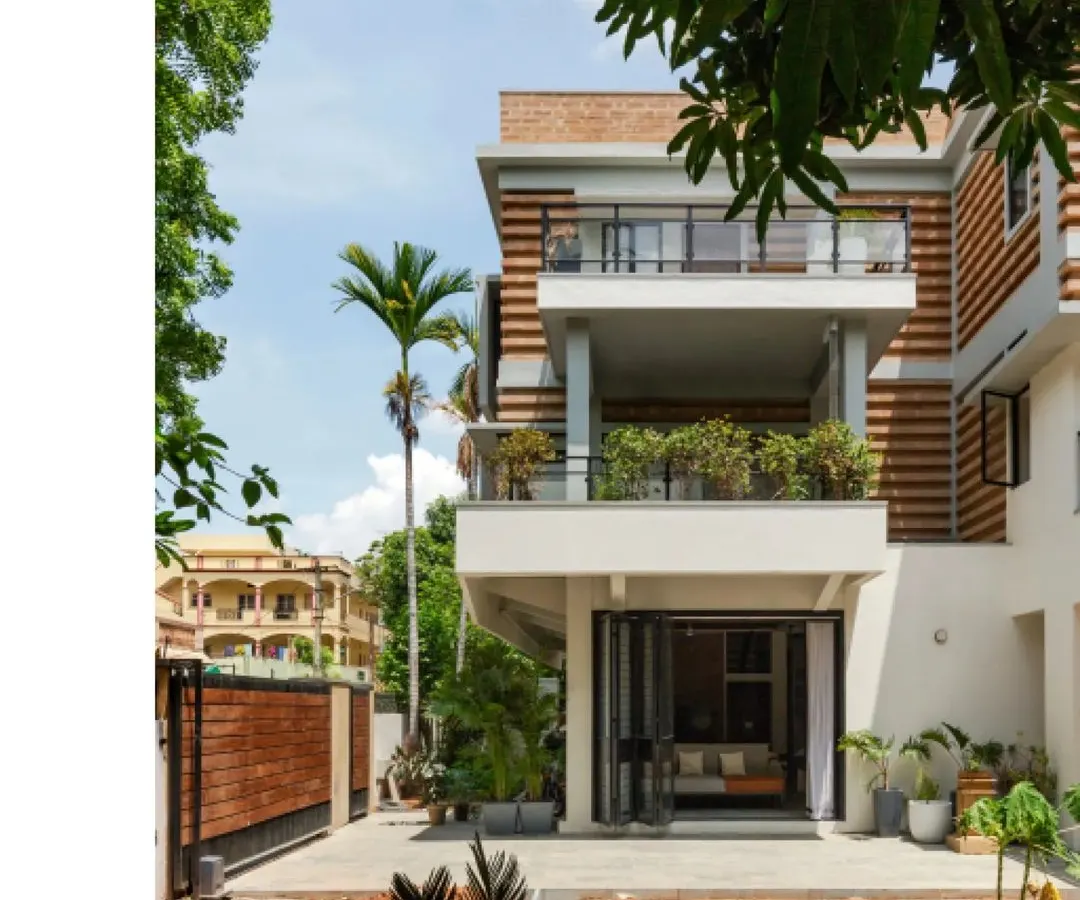
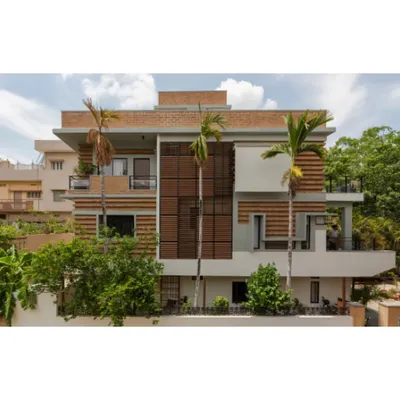
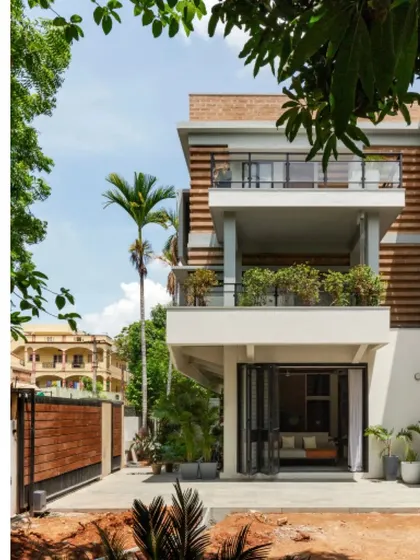
Private Residences: Homes Rooted in the Earth
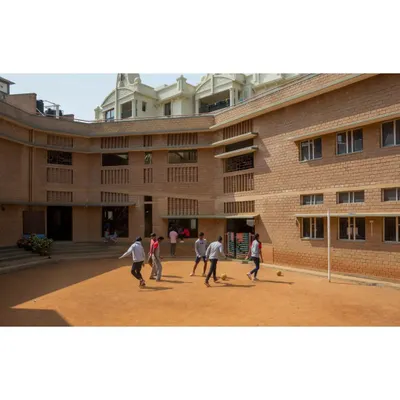
Educational & Community Spaces: Architecture for All
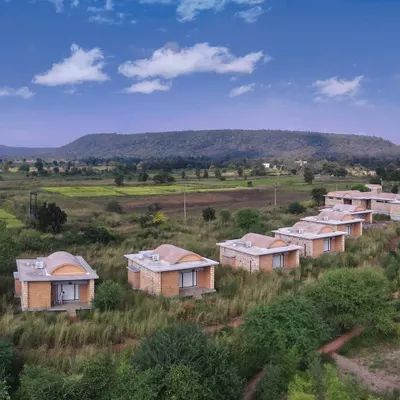
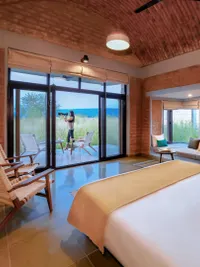
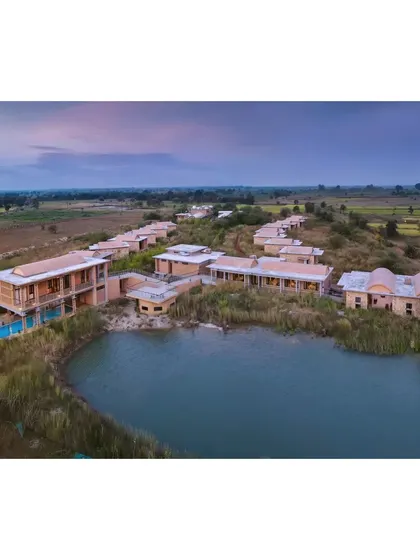
Hospitality & Eco-Lodges: Immersed in Nature
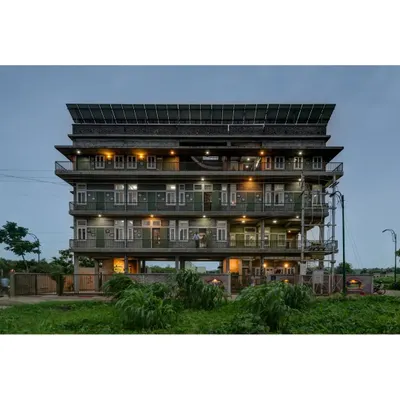
Commercial & Office Buildings: Sustainable Workplaces
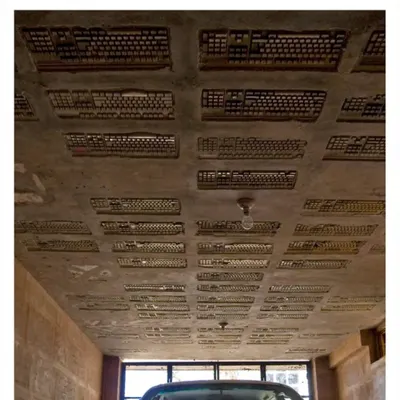
Material Innovation & Upcycling: Giving Waste New Life
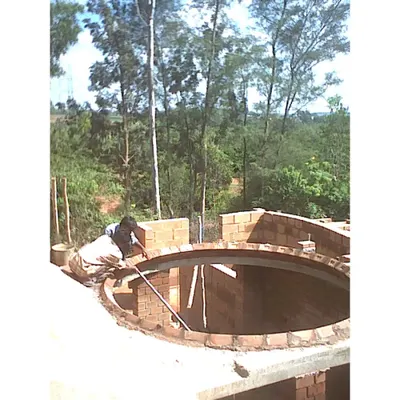
Building with Earth & Community: Our Hands-On Process
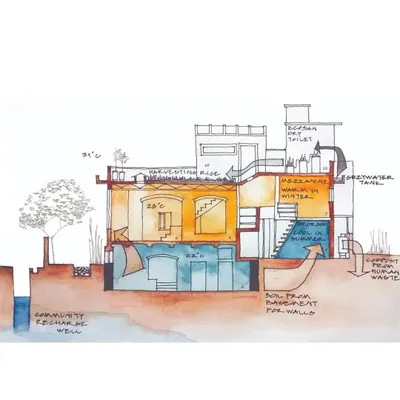
Design & Blueprints: The Thought Behind the Form
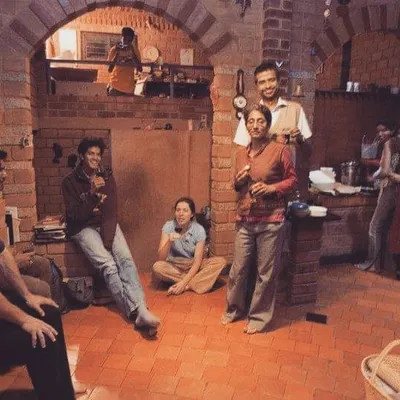
From Our Archives: The Seeds of Our Practice
Meet your Expert
Biome Environmental Solutions
My Story
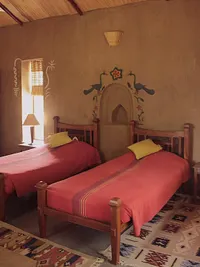
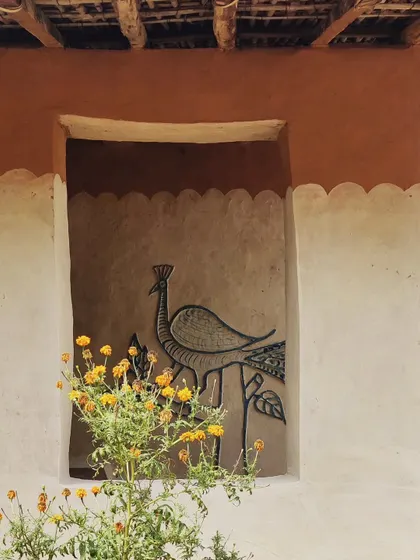
We started out wanting to get our hands dirty, literally. For us, design kicks off with the land, the local folks, and whatever materials are lying around. It’s not just about making buildings, it’s about stories—like those homestays in MP, where elders and kids slap on mud murals together. We love digging through kabadi ki dukaan (scrap shop) for old windows, or giving Chettinad doors a second life. Every wall’s got a memory, some future too.
My Work
What We Build - Private homes, schools, big community spaces, vernacular homestays, and sometimes interiors, always with an eco-first mindset.
Earth & Ecological Architecture - We use mud, stone, adobe, cob—keeping natural mud wall construction alive and local architecture from fading out.
Community Collaboration - Every project is participatory. We work with NGOs, governments, and locals—craftsmen lead, we follow.
Circularity & Reuse - Recycled building materials are our jam. We turn waste into windows, old doors into new stories.
Future-Ready Design - Design for disassembly means spaces can change, adapt, and get reused—buildings aren’t forever, but their purpose can be.