Adaptive Reuse Architecture and Heritage Retrofitting
We transform old buildings into functional, modern spaces without tearing them down. By blending heritage conservation with contemporary needs, we create environments that honor the past while serving the future.
By introducing a large skylight and removing partitions, we turned a cramped attic into an expansive, light-filled learning space. This project at Woodstock School shows how bold interventions can respect a building's history while adapting it for 21st-century needs.
A closer look at the transformed attic space, where modern lighting and flexible furniture meet the original wooden ceiling structure. This adaptive reuse project focuses on creating comfortable and sustainable environments that bring nature and light indoors.
Another view of the repurposed 1920s attic, now a state-of-the-art workspace. The design prioritizes natural light and an open feel, making a once dingy and uninhabitable space both functional and inspiring for the staff.
This cozy nook within a transformed heritage building at Woodstock School serves as a quiet space for study and collaboration. We restored the original windows and used natural materials to create a warm, inviting atmosphere that connects students with their surroundings.
A still from an interview discussing the transformation of a dark attic into this vibrant workspace. This project, completed remotely during the pandemic, taught us invaluable lessons in collaboration and the power of design to bring light into forgotten spaces.
A render of the completed Parker Hall, illustrating our vision for a modern performance venue within a historic shell. The design integrates state-of-the-art acoustics and theatre systems while respecting the original architectural elements of the space.
The view from the audience at the reimagined Parker Hall. Our retrofit design focused on creating an intimate yet grand performance experience, ensuring every seat has a great view and connection to the stage.
This image, combining a render of the finished theatre with our core philosophy, emphasizes that we are a reuse practice. Retrofit projects are our passion, allowing us to blend good design with solid engineering and innovation.
An aerial view showing the Parker Hall retrofit project nestled within the dense deodar forest of Landour. This perspective highlights the challenge and importance of building within a sensitive natural and historical context.
Another drone shot capturing the scale of the urban insert at Woodstock School. The new roof structure is visible, showcasing how we integrate modern engineering with the existing heritage buildings and landscape.
About Adaptive Reuse: Breathing New Life into Old Buildings
Adaptive reuse is rarely about erasing the past to make room for the new. When we step into a project like a century-old attic or an institutional hall, we start by mapping what stays—the original wooden trusses, the thick masonry, and the layout that once captured the light—and build our modern requirements around those existing strengths. It is an exercise in restraint where we fix what is broken and let the building's original bones guide our design choices.
Architecture often rushes to demolition, but we see potential in decay. Our studio operates at the intersection of conservation and contemporary design, treating every project as a unique piece of structural surgery. We prioritize the 'retro-first' mindset, assessing the structural integrity of a site before deciding how to introduce modern interventions.
Our Process
Our design approach involves more than just aesthetics. We focus on integrating modern requirements—like electrical and plumbing lines—into old walls without scarring their historical integrity. This includes careful MEP (mechanical, electrical, plumbing) routing and creating specialized technical drawings for local fabrication. Whether we are reviving a 1920s attic or retrofitting a larger institutional structure, we use a mix of local materials and clever, sustainable upcycling to minimize waste.
Why Adaptive Reuse Matters
Using what is already built is the most sustainable architectural choice one can make. By repurposing heritage spaces, we reduce the carbon footprint associated with new construction while preserving the collective memory of a site. We work closely with engineers to ensure that contemporary additions, such as glass partitions or steel mezzanines, coexist seamlessly with traditional elements like lime punning and timber framing. The goal is always to create a space that feels like it has always belonged, yet functions perfectly for the demands of 21st-century life.
Similar work from other experts
Browse through Curated picks from other experts on mytribe
 11
11
Adaptive Reuse & Heritage Conservation Architecture
Adaptive Reuse and Heritage Conservation Architecture
 5
5
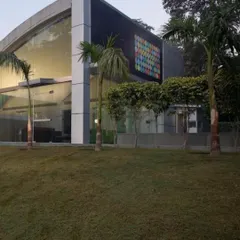
Adaptive Reuse Architecture: Breathing New Life into Old Spaces
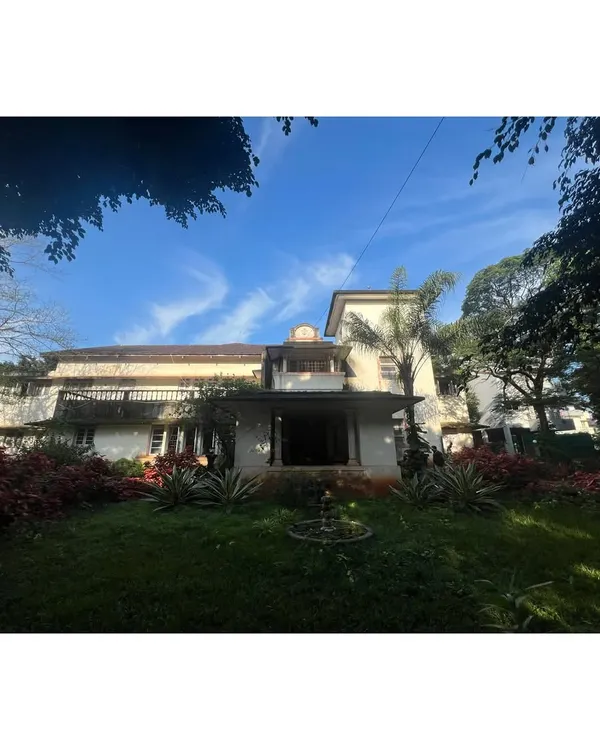 28
28
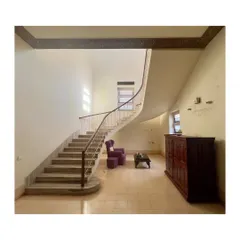
Reimagining Heritage Architecture
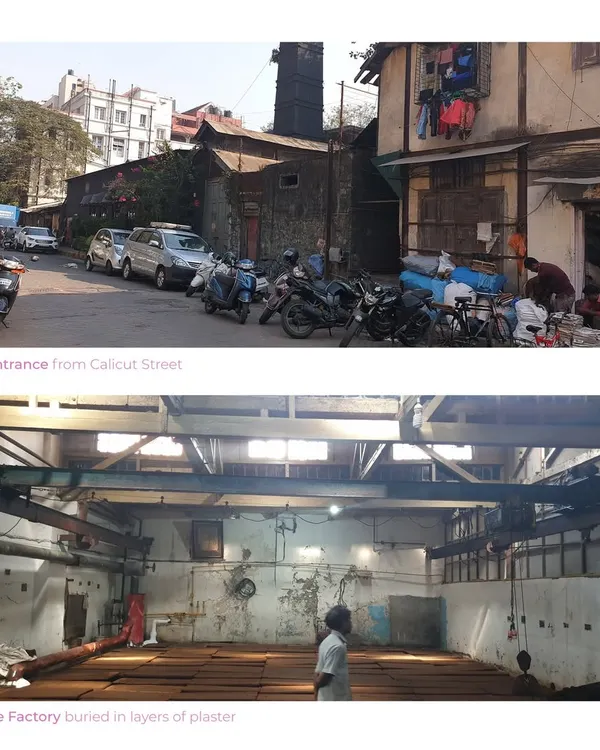 24
24
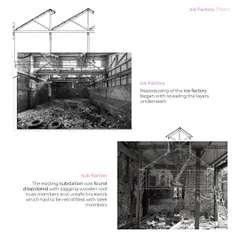
Adaptive Reuse and Heritage Architecture Restoration
 7
7
Heritage Restoration and Adaptive Reuse Projects
More from Urban Design & Placemaking by Aishwarya Tipnis Architects
More services by Aishwarya Tipnis Architects