Adaptive Reuse Architecture in Bengaluru
We believe the most sustainable building is the one that is already standing. Transforming existing structures into new, functional spaces is a dialogue between the building’s history and the needs of today.
This video documents the transformation of a commercial building from the 1980s. We began with the existing concrete frame and reimagined it as a flexible, light-filled workspace suited for the information age, demonstrating my core belief that the most sustainable building is one that is already standing. This adaptive reuse project in Bengaluru is now a LEED-certified structure.
This is the 'Wonder on Wheels' project, a unique adaptive reuse initiative where we converted a bus into a mobile classroom for the Anganwadi program. It represents a creative and community-focused approach to design, taking learning and resources directly to where they are needed most.
A brief look into several of my key projects, as featured by Livingetc India. This reel showcases the variety in my practice, from the adaptive reuse of a colonial-era building into the retail space for Cinnamon, to the stark, sunlit interiors of a private residence, and the public-facing design of the Museum of Art & Photography (MAP).
The Umbrella House, designed by Kazuo Shinohara in 1961, was carefully dismantled in Tokyo and reconstructed on the Vitra Campus. This act of architectural preservation, moving an entire structure to save it, is a profound example of valuing and adapting our built heritage on a global scale.
About Adaptive Reuse: From Old Bones to New Life
Adaptive reuse is not merely cosmetic renovation. It involves structural re-engineering, where we strengthen existing columns and slabs to handle contemporary commercial loads while maintaining the original core. Whether we are retrofitting an 1980s office block in Bengaluru to meet LEED-compliant MEP standards or carefully integrating concealed utilities into a heritage retail space, our focus remains on preserving the 'bones' of the building while ensuring it functions for the modern information age.
Our Approach to Transformation
When we approach a structure, we look for its ancestry. The process begins with our Heritage Diagnostic, a rigorous on-site health check including non-destructive structural testing and feasibility analysis. We assess whether the walls, timber rafters, and foundations can support a new life, or if they require intervention.
Commercial Adaptive Reuse
For commercial spaces, we focus on flexibility. The modern workplace requires transparency and a connection to light. In our office retrofit projects, we often redesign facades using screens or louvers to modernize the aesthetic while retaining the original volume. We route HVAC ducts and fire safety conduits through structures never designed for them, hiding the mechanical heart behind clean interior architecture.
Boutique Heritage Restoration
For residential and retail heritage projects, we practice material fidelity. This means rejecting incompatible modern cements in favor of traditional lime mortar, Surkhi, and oxide flooring. We source specialized craftspeople for stone carving and wood joinery, ensuring the repair honors the original construction technique. Modern requirements like switchboards and air conditioning are concealed to protect the visual integrity of the space.
Sustainability and Context
Adaptive reuse is our socio-political comment on the construction industry. By choosing to recover and re-present existing buildings, we reduce the carbon footprint associated with new builds. Every project—from turning a decommissioned bus into a mobile classroom to restoring a heritage storefront—is an exercise in preventing the loss of memory and material value.
Similar work from other experts
Browse through Curated picks from other experts on mytribe
 11
11
Adaptive Reuse Architecture and Heritage Retrofitting
 11
11
Adaptive Reuse & Heritage Conservation Architecture
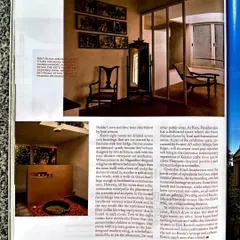
Adaptive Reuse and Heritage Conservation Architecture
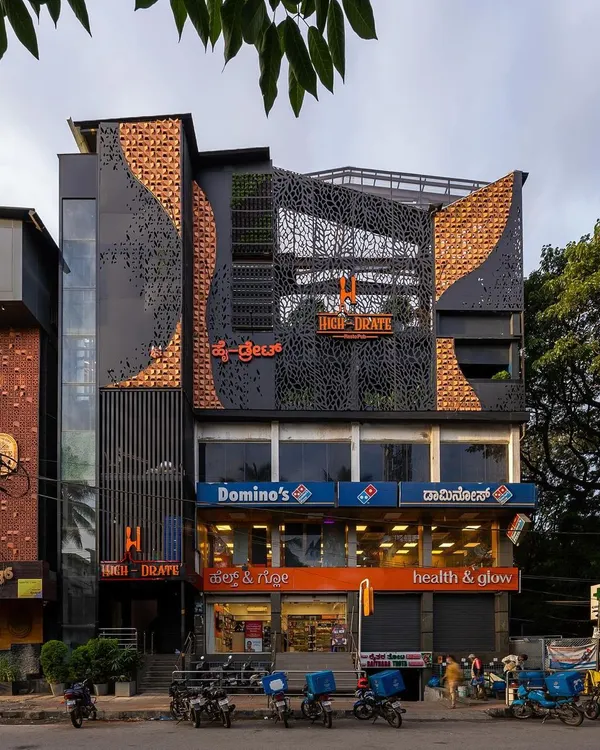 7
7
Architectural Transformations: From Old to Bold
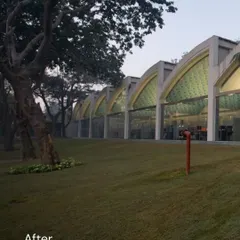
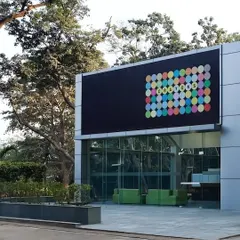
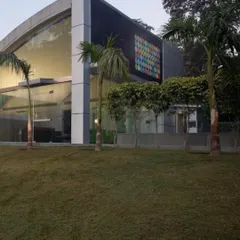
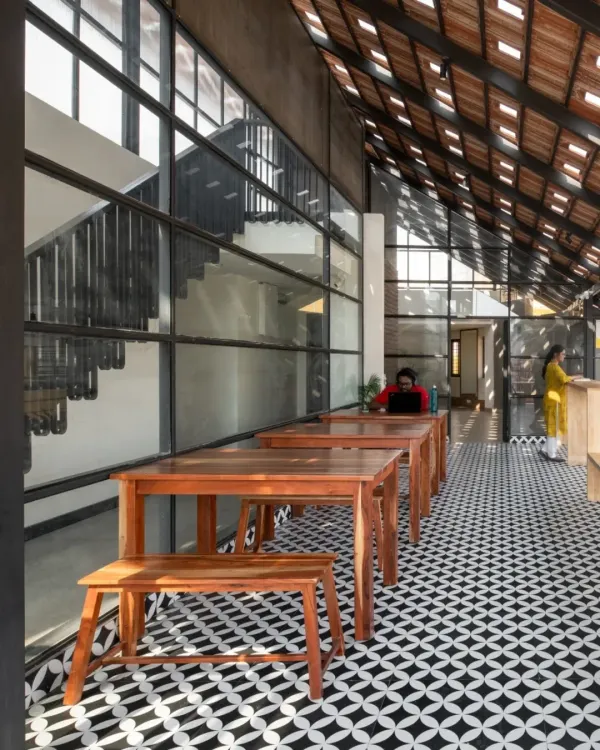
Adaptive Reuse: Transforming Industrial Structures
 28
28
Commercial Architecture & Adaptive Reuse in Bengaluru
Find the right service for your space
Use the search bar to explore other architectural services we offer.
More from Architectural Conservation & Adaptive Reuse by Soumitro Ghosh
More services by Soumitro Ghosh