Understanding Yoga Philosophy and Core Principles
Yoga is a logical, systematic process, not just a physical workout. I bridge the gap between ancient scriptures and modern living to help you explore the science within.
What are the benefits of yoga and how long does it take to see results? I explain that while physical benefits can be immediate, the ultimate goal of yoga, Samadhi, is a lifelong journey. The key is to focus on the process, not a timeline.
How do we stay motivated to practice yoga regularly? I discuss the importance of prioritizing health and using 'Tapas' or willpower to build a consistent habit. Once the habit is set, the practice itself becomes the driving force.
How did I come up with the name "Yogavijnana"? I share the story of how the name, meaning the science of yoga, resonated with my background and my mission to connect ancient yogic wisdom with a scientific approach.
Does teaching a yoga class count as your own practice? I explain the difference between the two. Teaching is an act of service for others, while personal practice is a journey inward. Both are important, but one should not replace the other.
A core principle of my teaching: strengthening your core physically is not long-lasting unless you also work towards achieving inner stability. True strength is a balance of the physical and the internal.
As the founder of Yogavijnana, my mission is to bridge the gap between ancient yogic wisdom and modern scientific understanding. My Fundamentals of Yoga workshop is a culmination of this approach, designed to offer you the best of both worlds.
I was glad to have my video on "Understanding Prakriti" featured as an article by Big Basket and shared with their customers. This is an example of how I work to make the deep concepts of Ayurveda and Yoga accessible to a wider audience.
Have you heard of Shambhavi Mudra? In this video, we explore this powerful mudra as described in the Advaya Taraka Upanishad, a state where the gaze is external but the focus is entirely internal, signifying deep meditative achievement.
What is Kundalini Prabhodhanam? Dr. Vishwanath M. V. explains this concept from the Dhyanabindu Upanishad, which uniquely emphasizes Brahmacharya (discipline and right conduct) as a primary means of awakening this dormant energy.
The Amritanada Upanishad associates different colors with the five pranas. In this short clip, Dr. M. V. Vishwanath explains these associations: red for Prana, black for Apana, gold for Vyana, yellow for Udana, and white for Samana.
About Yoga Wisdom & Philosophy
Most people treat yoga as just physical movement. But true yoga is a systematic process—from stabilizing the body to exploring the mind. My approach uses texts like the Yoga Sutras as a blueprint for this exploration, not just for a workout, but for a deeper understanding of your own internal mechanics.
Beyond the Mat
I approach yoga as a logical process, not a mystical set of instructions. Whether we are discussing the Dhyanabindu Upanishad or the mechanics of Pranayama, my aim is to make these concepts practical. You will often hear me say that consistency is the key. When you understand the philosophy, or the why behind the movement, the how becomes much clearer.
A Scientific Approach to Scripture
My workshops, including the Awakening Immersion, are designed for those with some experience who are ready to stop simply mimicking postures and start understanding the biomechanics and intent behind them. This cluster is where I share snippets from my research and teaching. We explore everything from Shambhavi Mudra to the five types of Prana. If you are looking for a shallow trend, this is not it. If you are looking to treat your practice like a serious study, join me at our Chandra Layout studio for guided sessions where we bridge ancient wisdom with modern scientific application.
Similar work from other experts
Browse through Curated picks from other experts on mytribe
Expert Talks & Yoga Philosophy
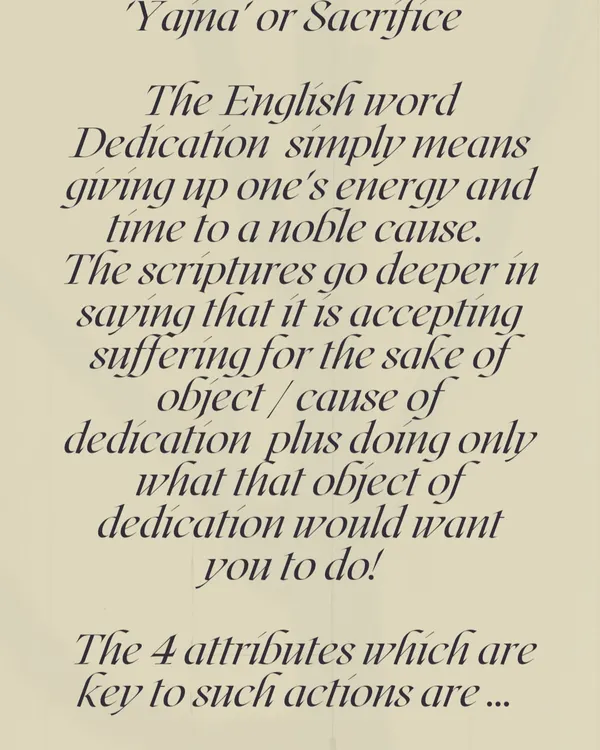
The Philosophy of Yoga: Ancient Wisdom for Modern Life
 8
8


Integrating Ancient Yoga Philosophy Into Modern Life
Ancient Yoga Philosophy for Modern Life
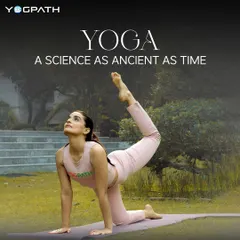
The Yogic Path: Philosophy & Lifestyle for Modern Living
Practical Yoga Philosophy for Daily Life
More from Specialized Yoga Workshops by Yogavijnana
More services by Yogavijnana