Integrating Ancient Yoga Philosophy Into Modern Life
Yoga is more than just physical postures; it is a way of living. Discover how wisdom from classical texts like the Bhagavad Gita can bring clarity and balance to your busy life.
The English word 'dedication' is simple, but the Sanskrit concept of 'Yajna' or sacrifice goes much deeper. It means accepting suffering for a noble cause and acting in alignment with that cause.
Dedication is one of the four key attributes of Yajna. It requires giving your time and energy completely to your chosen path.
Sacrifice is another attribute. It is not about loss, but about willingly offering something up for a higher purpose, a core principle in spiritual practice.
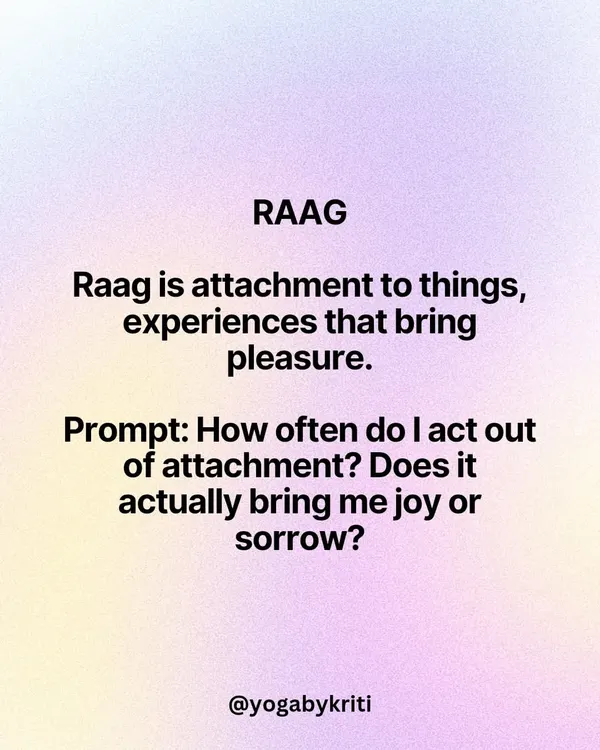
Detachment, or Vairagya, is the third attribute. It means performing actions with full dedication but without being attached to the results of those actions.
Unselfishness is the final attribute of Yajna. It is the act of putting the cause or the other person before oneself, which is the essence of selfless service.
Sadhana is a daily spiritual practice undertaken without a specific goal in mind. It is about surrendering the ego and cultivating discipline for its own sake, as shown in this personal practice clip.
Mantra means sound. When we chant with awareness and understanding of the meaning, it becomes a powerful tool to activate energy, quiet the mind, and change our perspective. This video shows a group chanting session.
The Bhagavad Gita offers beautiful guidance on meditation. It teaches that the mind should be like a flame in a windless place, steady and unflickering, undisturbed by our wavering thoughts or external distractions.
About Philosophy for Modern Life
Philosophy isn't just about reading texts; it is about applying them to the friction you face every day. Whether you are dealing with a demanding work schedule or the restlessness of a noisy mind, we look at how concepts like vairagya (detachment) or the focus of a mantra can help you find stability. This is a practical, honest way to build a steadier inner life without needing to escape from your daily responsibilities.
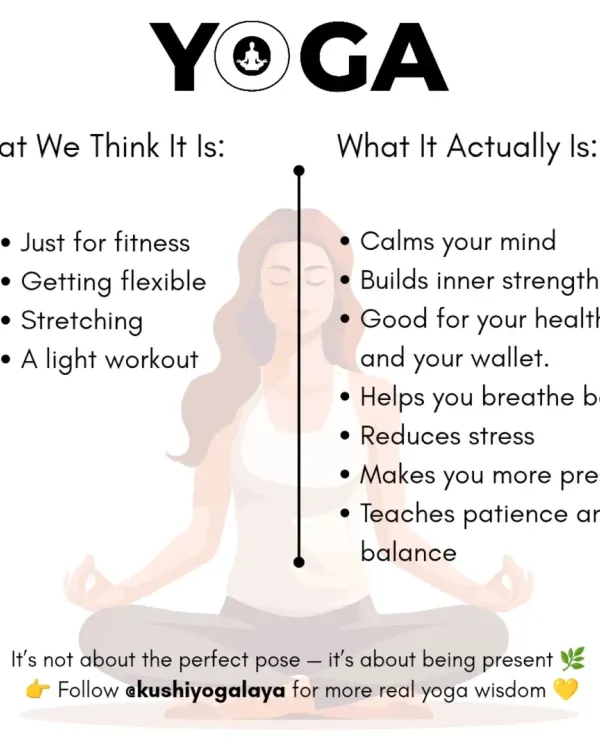
Often, we look at yoga as a workout, but the real work happens in the mind. In my sessions, we peel back the layers of our daily habits using guidance from the Bhagavad Gita and Yoga Sutras.
We discuss how to live with intention—what it means to be dedicated to a cause, the necessity of sacrifice, and how to practice detachment while still being fully engaged in your work and relationships. It is not about becoming a hermit; it is about learning to be like a flame in a windless place, as the Gita describes, standing steady even when your surroundings are chaotic.
We use tools like:
- Mantra Chanting: Using sound to shift energy and settle a wavering mind.
- Meditation: Learning techniques that go beyond just sitting still, focusing on the quality of your focus.
- Sadhana: Building a daily practice that creates discipline and grounds your nervous system.
Whether you visit my shala in HSR Layout or we connect online, the goal remains the same: to give you a framework for living that is resilient and clear. If you are struggling with modern stress, we start by looking at your current routine and seeing where we can introduce small, mindful shifts.
Similar work from other experts
Browse through Curated picks from other experts on mytribe
The Philosophy of Yoga: Ancient Wisdom for Modern Life



Applying Ancient Wisdom to Modern Challenges
 61
61
Practical Yoga Philosophy: Wisdom for Modern Living
 47
47

The Yogic Path: Ancient Philosophy for Modern Stress
Yoga Philosophy and Mindful Living

Understanding Yoga Philosophy and Core Principles
More from Yoga Therapy by Sanjana Sekar
More services by Sanjana Sekar