Memorial Architecture: Designing Spaces for Reflection and Memory
We believe a memorial should not be a grand monument but a quiet, honest space where history finds a home. We work with the scars of a site, ensuring that the memory of what happened—and the hope for what comes next—is felt in every beam of light and open court.
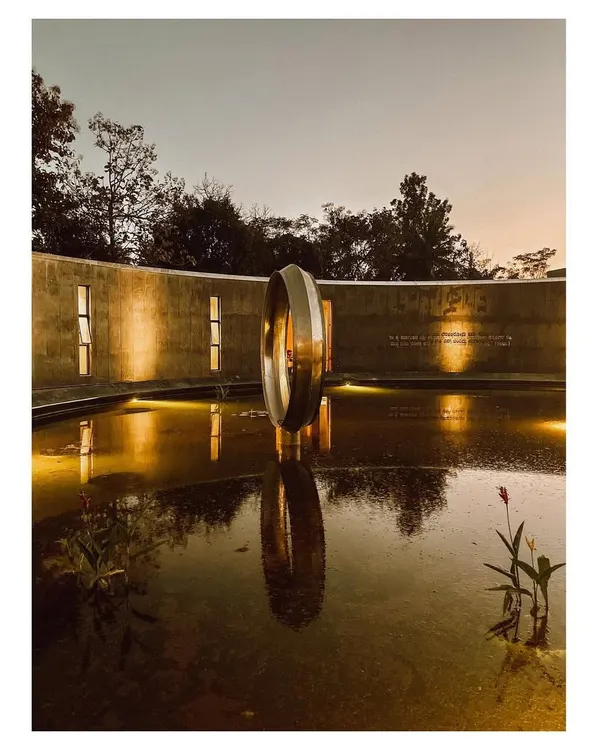
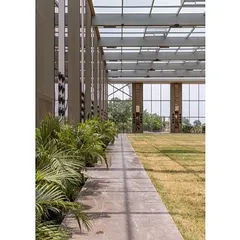
Our design for the Rashtriya Sainika Smaraka, the National Martyr's Memorial in Bengaluru, is conceived as a 'non-memorial'. The main hall is underground, creating a serene, bunker-like space for remembrance, sheltered from city noise.
A detail of the clay model for our Bhopal Gas Tragedy Memorial proposal. The pitted, scarred earth represents the contaminated 'brown field' site, a memory of the tragedy that the new landscape is designed to heal.
This part of the model shows the proposed intervention: simple, box-like structures that hover over the scarred landscape, creating spaces for reflection without erasing the past.
The model illustrates the concept of a new, clean plane (represented by the blue element) being superimposed over the damaged earth, symbolizing a path toward healing and recuperation.
The site plan for the Bhopal Memorial competition entry shows how the design creates a journey through a landscape of scars and clearings, moving from pain to solace.
A feature on the National Martyr's Memorial, explaining how the underground design and use of natural light create a reflective space honoring the sacrifices of servicemen.
This image of Freedom Park, though not a memorial in the same vein, shares the theme of remembrance, transforming a place of confinement into one of freedom.
About Design for Remembrance: Memorial Architecture
In our design for the Rashtriya Sainika Smaraka in Bengaluru, we chose to tuck the main memorial hall underground. This was a deliberate choice to move away from the traditional, tall monument. By creating a bunker-like environment, we provide a quiet, protected space shielded from the city's noise, where the names of martyrs are held in serenity rather than projected toward the sky. It is about creating a space where the architecture gets out of the way to allow for actual remembrance.
Architecture as a Dialogue with Memory
When we approach a memorial project, we are not looking to impose a new structure on a site. Instead, we look for what is already there. Often, the most powerful memorials come from acknowledging the history of the land, including the tragedies. In our competition entry for the Bhopal Gas Tragedy Memorial, we treated the site as a 'brown field'—scarred and pitted. We did not want to erase that trauma, because that trauma is part of the story. Our design proposed a journey from the 'image of pain' to the 'hope of recuperation' by using light, water, and clearings in the landscape.
The Technicality of Reflection
Memorializing requires more than symbolic design; it requires technical precision in how a space is experienced. Whether it is managing natural light through skylights or ensuring the acoustic quality of a space to foster silence, the materials matter. We often use honest, raw materials like exposed concrete and stone because they age well and carry a sense of permanence. We view these projects as a 'non-memorial'—a place that invites the public to linger, to breathe, and to think. It is about creating a democratic, public space where the community can gather, whether for collective mourning or individual introspection.
Why This Matters
Architecture has the capacity to hold memory. If a space is designed well, it becomes a vessel for the collective history of a city. Whether we are transforming an old jail into a park or proposing a landscape for remembrance, our focus remains on ensuring the design is not static. It should evolve with the people who use it, allowing the site to heal and be repurposed while respecting the gravity of its past.
Similar work from other experts
Browse through Curated picks from other experts on mytribe
 4
4

Architectural Design for Memorials and Contemplative Spaces
 16
16
Specialized Architectural Design and Public Memorials
Cultural and Civic Architecture for Public Spaces
 52
52
Designing Urban Plazas & Community Hubs
 12
12
Community and Public Architecture: Designing with Purpose
 6
6
Community and Cultural Architecture Projects
More from Urban Design & Master Planning by Mathew and Ghosh
More services by Mathew and Ghosh