Cultural and Civic Architecture for Public Spaces
We create public spaces that honor our shared history and engage the community. From restoring heritage museums to designing meaningful memorial parks, we blend architectural integrity with cultural storytelling to craft environments that serve society.
I had the opportunity to speak with the media about the restoration of the Lahori Gate Haveli. In this interview, I explain my perspective on our duty as architects to preserve our heritage and give it back to society, in this case by transforming the haveli into a public museum.
The Lahori Gate Museum project is a vital example of adaptive reuse, reviving a historic structure to tell the story of Chandni Chowk's cultural heritage. Once complete, it will serve as a landmark destination for heritage tourism in Delhi.
This video provides a glimpse into the Lahori Gate Museum project. The restored haveli will house artifacts, narrative panels, and audio-visual tools to recreate the history of Shahjahanabad, alongside an interpretation center and cafeteria.
Our work on the Lahori Gate Museum has been featured in several national newspapers. This coverage highlights our ongoing commitment to heritage conservation and the transformation of historic buildings into vibrant cultural spaces.
A feature in the Hindustan Times on the restoration of the 96-year-old Lahori Gate Haveli. The article details our work in transforming the once-crumbling structure into a museum and interpretation center.
Her Excellency, the President of India, Smt. Droupadi Murmu, inaugurating the Gandhi Smriti Park. It was a moment of immense pride to see our work in creating this public space of contemplation and tranquility come to fruition.
The President of India, Smt. Droupadi Murmu, seated next to a life-sized sculpture of Mahatma Gandhi at the newly inaugurated Gandhi Smriti Park. We designed the park to be a symbol of Gandhiji's enduring ideals.
A group photograph with the President of India, Smt. Droupadi Murmu, and the Lieutenant Governor, Vinai Kumar Saxena, at the inauguration of Gandhi Smriti Park. This project is a testament to our commitment to preserving national legacies.
A behind-the-scenes moment during the installation of a Gandhi statue at Gandhi Smriti Park. This image captures the hands-on effort and dedication that goes into creating these significant public memorials.
About Cultural & Civic Architecture: Building for the Community
Architecture at this scale requires balancing structural conservation with modern public accessibility. When we approach a project like the Lahori Gate Museum, we are not just renovating a building, we are meticulously preserving the cultural fabric of Chandni Chowk. We work with traditional artisans to ensure every element, from the lime plaster to the stone carvings, respects the historical narrative while creating an immersive, functional space for future generations to explore.
The Architecture of Memory
Civic architecture is more than creating a structure; it is an act of stewardship. My work in this sector focuses on adaptive reuse and the creation of memorial spaces that invite contemplation. Whether repurposing a near-ruin into a cultural hub or laying out a park dedicated to historical ideals, the approach remains the same: a deep respect for the site's original context combined with the precise requirements of modern public use.
Projects as Cultural Landmarks
-
Lahori Gate Museum: This project is a study in adaptive reuse. By transforming a 96-year-old structure into a museum and interpretation center, we have revitalized a landmark destination. The focus here was on structural restoration using traditional materials like Lakhori bricks and Araish lime plaster, ensuring that the intervention remains invisible yet structural integrity is sound.
-
Gandhi Smriti Park: Designing a memorial space requires a delicate touch. The park was conceived as an oasis of tranquility, with the spatial flow designed to guide visitors through a narrative of peace and history. Working on such a significant public monument demanded a rigorous attention to detail, from the placement of sculptures to the integration of landscape elements that foster reflection.
A Methodology of Preservation
My practice is built on collaboration with historians, traditional artisans, and civic bodies. We do not apply a singular style to every project. Instead, we map the historical data, study the vernacular architecture, and then determine how to introduce necessary modern amenities—like climate control in museums or lighting in public parks—without disrupting the historical narrative. We believe that when public buildings are restored with accuracy and care, they do not just preserve the past, they anchor the community in its own identity.
Similar work from other experts
Browse through Curated picks from other experts on mytribe
 8
8
Public & Cultural Architecture
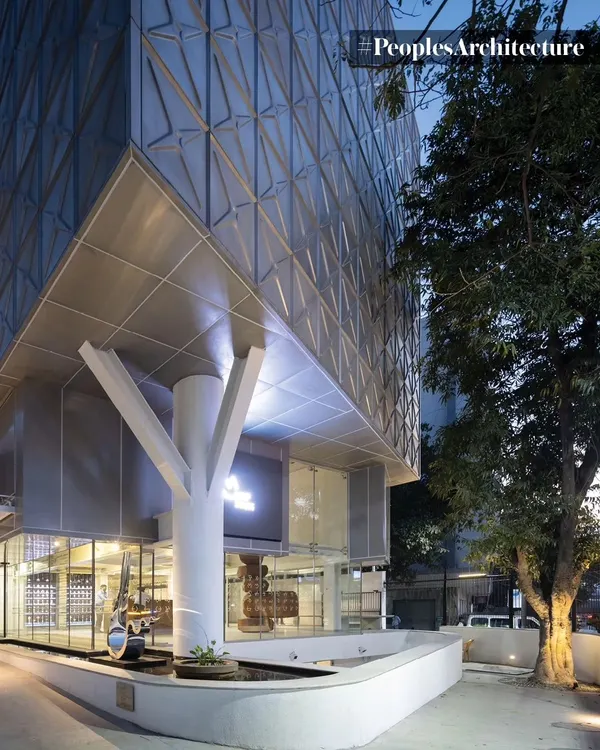 58
58
Public & Cultural Architecture: Creating Meaningful Landmarks
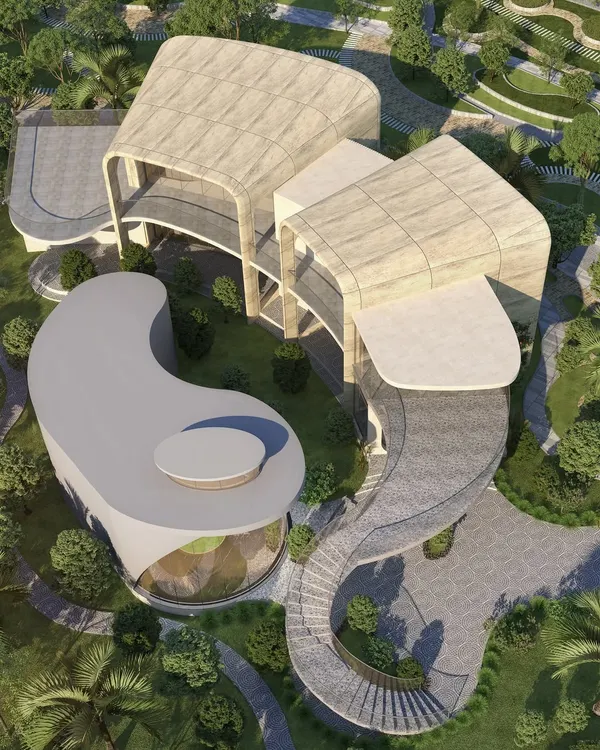 29
29
Cultural and Community Architectural Projects
 21
21
Public, Institutional & Heritage Urban Design
 17
17
Adaptive Reuse and Heritage Conservation Design
 11
11
Redefining Civic & Cultural Spaces in India
More from Commercial & Hospitality Interior Design by Kapil Krishan Aggarwal
More services by Kapil Krishan Aggarwal