Architectural Design for Memorials and Contemplative Spaces
We design memorials not as static monuments, but as living, quiet spaces that foster community, reflection, and a deep connection to the surrounding landscape.
The Dr. Vishnuvardhan Memorial Complex at night, where strategic lighting highlights the texture of the concrete walls and the central ring sculpture. The perfect reflection in the water creates a sense of balance and peace, fulfilling the space's purpose as a place for remembrance. This image also covers media ID 11.
A daytime view of the memorial shows how it blends with the rural landscape. The curved concrete wall encloses a tranquil water court, with a minimalist metallic sculpture at its center. The design creates a sanctuary that feels both grounded and profound. This image also covers media ID 7.
Detail is central to our narrative approach. This close up shows Kannada script integrated into a textured wall at the memorial, embedding local culture and storytelling directly into the architectural fabric of the building. This image also covers media ID 12.
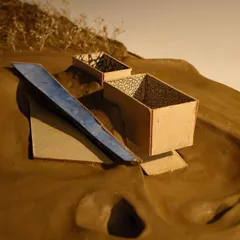
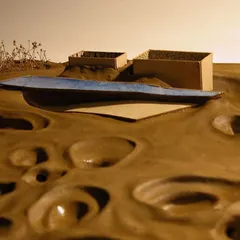
This is the architectural model for the memorial's memorabilia gallery. The top down view reveals the circular, layered design, which guides visitors through a journey of remembrance while maintaining a constant connection to the central, open air courtyard.
About Memorials & Spaces for Reflection
In our memorial projects, we prioritize the 'in-between' spaces—the pathways, lobbies, and courtyards—over the primary structure itself. By carefully choreographing how visitors move through these areas and where they choose to pause, we ensure the design creates a sanctuary that supports quiet reflection rather than just visual spectacle.
Designing a memorial is an exercise in restraint. We believe that architecture should act as a background, not a front-and-center display. This is why we often turn to 'slow architecture'—a practice that allows a space to age gracefully and change with the seasons rather than fighting against nature.
Take the Dr. Vishnuvardhan Memorial Complex. We worked with concrete, light, and water not just for their aesthetic appeal, but for their ability to ground the space. The circular planning is intentional; it creates a flow that naturally directs people away from the noise of the outside world and toward an internal courtyard. This is where the 'spatial storytelling' happens—where the script on the wall and the reflection in the water become more important than the concrete structure itself.
When we plan these projects, we look for two things: local context and human scale. Whether it is integrating local script into a textured wall or ensuring the layout facilitates community discussion, the goal is always to create a place that feels like it belongs to the land it sits on. We do not just build monuments; we build places for memory, transition, and connection.
Similar work from other experts
Browse through Curated picks from other experts on mytribe
 7
7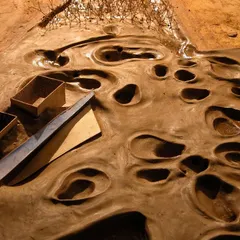
Memorial Architecture: Designing Spaces for Reflection and Memory
 16
16
Specialized Architectural Design and Public Memorials
Cultural and Civic Architecture for Public Spaces
 52
52
Institutional Architecture for Healing and Learning Spaces
 6
6
Community and Cultural Architecture Projects
Spaces of Stillness: Shaping Atmosphere with Water and Light
More from Art & Installation Design by M9 Design Studio
More services by M9 Design Studio