From Concept to Reality: Our Architectural Design Process
Good design is more than an aesthetic—it is a logical map. Here is how we translate initial ideas into functional spaces through technical planning and 3D visualization.
A 3D axonometric view reveals the strategic space planning for the club's renovation, which I call 'The Sable Edit'. This technical drawing shows how I reconfigured the layout to improve flow and function, clearly zoning areas for changing, showers, and wellness treatments.
This top-down floor plan from 'The Sable Edit' provides a clear overview of the renovated health club layout. It details the precise location of storage, showers, changing rooms, and wash areas, demonstrating the meticulous planning required for this adaptive reuse project.
This proposal render for the gents' washroom visualizes the final design intent. It showcases the arched entryway, classic light fixtures, and the combination of patterned tiles and warm wood that define the space's colonial-inspired aesthetic.
A 3D proposal showing the view from the gents' changing area into the washroom. This render helped visualize the spatial relationship and flow between the different zones, ensuring a seamless transition for members.
This conceptual render for the gents' changing room focuses on the functionality of the space. It illustrates the proposed U-shaped layout with cushioned benches, coat hooks, and integrated overhead and under-seat storage solutions.
The design proposal for the gents' WC highlights a clean, modern approach within the heritage framework. The render shows a wall-hung toilet and a feature wall with textured dado tiles, balancing contemporary hygiene standards with classic materials.
This design proposal for the ladies' washroom entrance mirrors the concept for the gents' area, creating a cohesive design language throughout the health club. The render highlights the arched frame, chandelier, and decorative tile backsplash.
A render of the proposed ladies' restroom, showing the view from the vanity area towards the shower stalls. The design uses an archway to create a graceful transition and includes open shelving for a spa-like feel.
This proposal for the ladies' changing room includes a dedicated vanity station. The render visualizes a quiet corner with a comfortable seat, elegant mirror, and a backdrop of colonial gold stone, creating a private and luxurious space.
The proposal for the ladies' WC shows a sophisticated material palette. The render combines the rich texture of a colonial gold stone partition with patterned tiles and minimalist fixtures, creating a space that feels both modern and timeless.
About From Concept to Reality: The Design Process
When I approach a complex project like the Bangalore Club, I don't just see walls. My 'Sable Edit' process maps out every square inch—from 3D zoning for privacy to the precise placement of sensor-based fixtures. It is about ensuring that the final layout handles the daily footfall of a bustling club while keeping the colonial aesthetic intact. Before we ever break ground, you will see exactly how the flow works in our detailed axonometric plans.
Bridging Vision and Build
Great design is a conversation between the ideal and the possible. In my studio, we believe that a beautiful render is useless if it doesn't solve a practical problem. That is why our process starts with deep site analysis. Whether we are dealing with the humidity of a century-old basement or the structural constraints of a heritage home, we use 3D modeling not just to show you how a space will look, but to prove how it will function.
The Technical Foundation
Every project moves through a rigorous phase of 'Good for Construction' (GFC) drawings. This is where we define the specifics: the type of waterproofing for old substrates, the ventilation requirements to manage indoor humidity, and the joinery details for custom cabinetry.
- Conceptual Zoning: We create floor plans that anticipate movement and usage, ensuring that high-traffic areas remain clear and accessible.
- Material Selection: We guide you through selecting finishes that honor the era of the building while meeting modern hygiene and durability standards.
- Site Supervision: I stay involved from the first sketch to the final site visit, ensuring that the details we drew on paper are exactly what you get in reality.
By the time we move to execution, there are no surprises. You know exactly what the lighting, flow, and material palette will be, because we have already solved the puzzle.
Similar work from other experts
Browse through Curated picks from other experts on mytribe
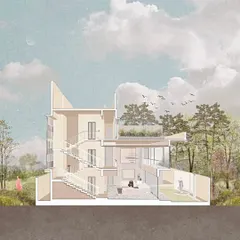
From Concept to Reality: How We Design Your Space
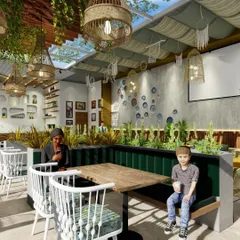
Our Design Process: From Vision to Reality
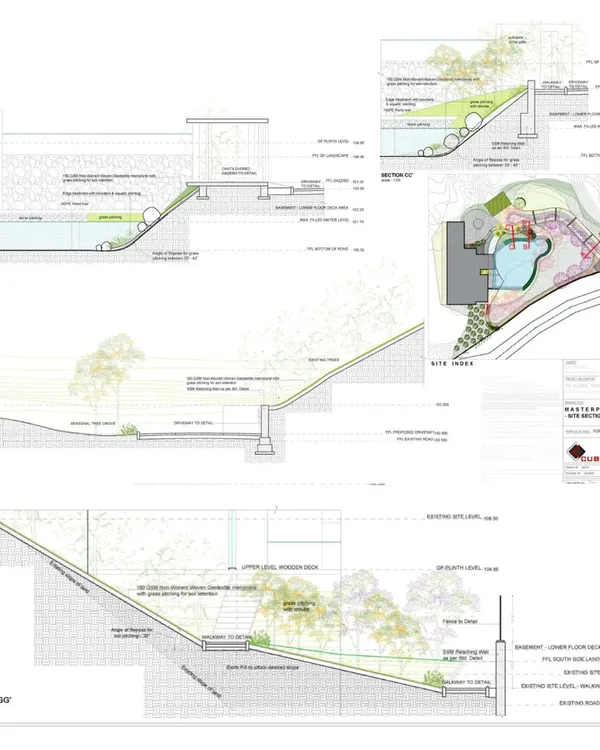 6
6
Our Architectural Design Process: From Concept to Completion
Our design process, demystified
 10
10
Our Architectural Design Process: From Concept to Reality
 13
13
From Concept to Reality: Our Design Journey
More from Historic Preservation & Adaptive Reuse by Amalgrain Studio
More services by Amalgrain Studio