Architectural Design Process for High-Rise Projects
We translate complex site potential into high-performance structures. From 3D massing studies to parametric modeling, explore our rigorous approach to architectural design.
This diagram illustrates the initial massing study for a high-rise residential building. We begin by splitting a monolithic block into two volumes to reduce overlooking between units and create a more balanced, visually appealing form.
The next step in our design process involves creating a stepped aesthetic. By shifting and arranging the masses vertically, we can maximize solar gain for different units, improve views, and enhance the building's overall architectural character.
This functional block diagram shows how different uses are allocated within the stepped high-rise form. We strategically place retail and amenities at the base, with residential units and terraces stacked above to create a logical and efficient layout.
A conceptual diagram showing how we arrange and extrude functional spaces vertically along a central core. This method allows us to translate programmatic requirements into three-dimensional voids and solids that define the building's interior and exterior.
This diagram breaks down the functional stacking of a complex residential tower. It identifies zones for retail, podium amenities, standard residences, duplexes, triplexes, and vertical amenity spaces, ensuring a clear organization of functions.
Our process for creating unique upper-level residences is shown here. We stagger the top floors to create premium duplex units and private terraces, which also improves solar access and provides more dynamic views.
A conceptual 3D-printed model held against the Mumbai skyline, showing an early-stage design for a high-rise building. These physical models allow us to study the building's form and scale in a real-world context.
This 3D-printed model showcases a more detailed design concept with articulated facades and stepped massing. Holding the model against the city view helps us visualize how the future building will interact with its surroundings and the skyline.
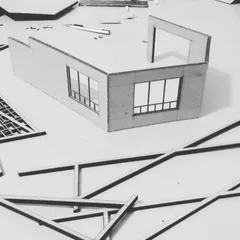
This video shows a 3D-printed conceptual model being handled, demonstrating how we test different configurations and connections between building volumes. This hands-on approach is crucial for refining the design of complex architectural forms.
About The Architectural Process: From Concept to Reality
Before finalizing any concept, we conduct a site-specific analysis, including FSI maximization strategies and solar incidence studies. This granular approach allows us to test the building's massing against wind loads and environmental factors, ensuring that the final structure is not only visually striking but also efficient and compliant with green certification standards from day one.
Our design process goes beyond aesthetic appeal, focusing on the intersection of structural engineering and urban functionality. By utilizing Level of Detail (LOD) 300 Building Information Modeling (BIM), we detect potential clashes between HVAC, electrical, and structural systems during the design phase. This proactive coordination prevents costly rework during the actual construction phase.
We prioritize column-less floor plates and composite steel construction, which allow for larger, more flexible interior layouts in commercial towers. Our methodology involves:
- Massing and Orientation: Using 3D-printed models and digital simulations to optimize wind load resistance and natural light penetration.
- Core Planning: Strategically placing service ducts and fire stairs to maximize the leasable area, directly increasing the project's real estate value.
- Environmental Strategy: Integrating green facades and water-saving systems early in the design, aiming for IGBC Gold certification feasibility.
- Visualization: Providing clients with VR walkthroughs that demonstrate the scale and functionality of lobbies and office spaces long before ground is broken.
By treating architecture as a logical, data-backed process, we provide developers with the clarity needed to make informed investment decisions, whether the project is an IT park in Mahape or a mixed-use tower in the heart of Mumbai.
Similar work from other experts
Browse through Curated picks from other experts on mytribe
 12
12
Our Architectural Design Process: From Sketch to Landmark
 24
24
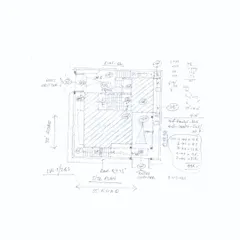
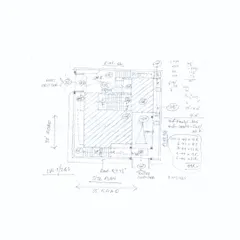
Architectural Design Process: From Sketch to Blueprint
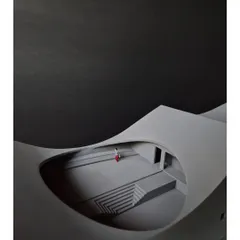
Architectural Design Process: From Idea to Form
 5
5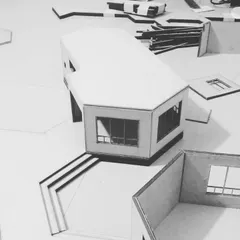
Our Architectural Design Process
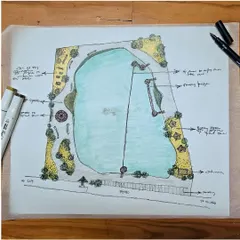
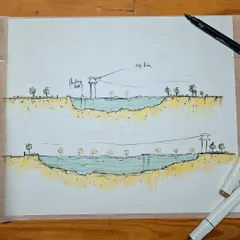
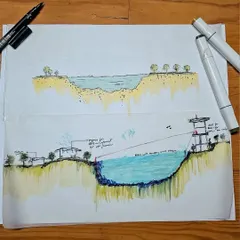
From Sketch to Reality: Our Architectural Design Process
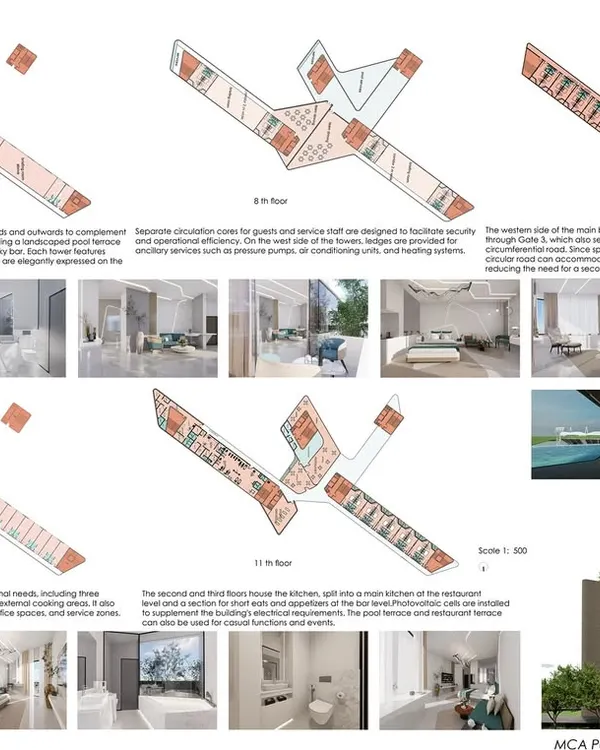 9
9
The Design Process: From Concept to Reality
More from Commercial & Mixed-Use Architecture by Access Architects
More services by Access Architects