Institutional Architecture
Available across India
Pricing Guide
Turnkey Institutional Architecture & BIM Design
Concept & Feasibility
- Climate Analysis: Detailed study of solar path and wind direction to orient buildings for maximum natural light and reduced AC load.
- Value Engineering: Application of design practices to challenge norms, aiming for a 5-10% reduction in structural costs.
- VR Visualization: Virtual Reality setups allowing clients to walk through lobby and corridor concepts before approval.
Design Development
- BIM Implementation: Project development in Revit (LOD 300) to identify clashes between HVAC ducts and structural beams before construction.
- Facade Strategy: Design of cost-effective external skins using vertical fins or louvers to manage heat gain.
- Space Planning: Efficiency-focused layouts for classrooms and labs to minimize wasted corridor space.
Construction Documentation
- Tender Management: Preparation of detailed Bill of Quantities (BOQ) and specifications to float accurate contractor tenders.
- Safety Detailing: GFC drawings featuring specific railing heights and tread calculations for student safety.
- Municipal Drawings: Preparation of submission sets for FSI approvals.
Site Supervision
- Quality Checks: 2-3 monthly visits by Senior Architects to verify reinforcement laying and finishing quality.
- Snagging: Final walkthroughs to identify and rectify painting or tiling defects before handover.
Educational Campus Master Planning
Zoning & Strategy
- Land Use Optimization: Strategic division into academic, residential, and sports zones to maximize FSI potential.
- Traffic Segregation: Planning of distinct vehicular and pedestrian routes to prevent gate congestion and ensure student safety.
- Micro-Climate Design: Placement of building blocks to generate wind tunnels and shaded courtyards for ambient cooling.
Infrastructure Roadmap
- Phased Construction: Creation of a Phase 1/Phase 2 roadmap allowing the institute to function during ongoing expansion.
- Service Grid: High-level routing plans for sewage, water, and electrical lines to ensure easy maintenance access.
- Topography Strategy: Utilization of site contours to minimize excavation and cut-and-fill costs.
Deliverables
- Master Plan Report: Comprehensive booklets detailing area statements, sustainability goals, and FSI logic.
- 3D Visualization: Aerial bird's-eye renders showcasing the complete campus vision and scale.
Institutional Retrofit & Modernization
Site Audit
- Digital Survey: Creation of accurate As-Built drawings using laser measures or drone videography.
- Structural Coordination: Collaboration with engineers to identify columns needing jacketing or carbon fiber strengthening.
- Flow Analysis: Review of student movement to identify and resolve corridor or canteen bottlenecks.
Design Upgrades
- Facade Facelift: Modernization of elevations using lightweight materials like ACP or fins to minimize load on old foundations.
- Acoustic Retrofit: Specifications for acoustic panels and lux-level appropriate LED lighting to improve classroom focus.
- Space Optimization: Conversion of underutilized storage areas into active learning zones or digital libraries.
Execution Planning
- MEP Integration: Routing new HVAC and fire systems within the tight ceiling constraints of older buildings.
- Demolition Methodology: Safe planning for partial demolition to control dust and noise during ongoing classes.
- Material Specs: Selection of dry construction materials for rapid installation to minimize facility downtime.
About Institutional Architecture
Why Institutional Spaces Matter
For us, designing schools and colleges isn’t about making another boxy building. These places shape how students feel, interact, and actually want to learn. I put a lot of thought into how a space feels the minute you walk in - not just how it looks in a glossy photo.
How We Think About Design
- Every campus or classroom starts from the question: what helps people learn best here?
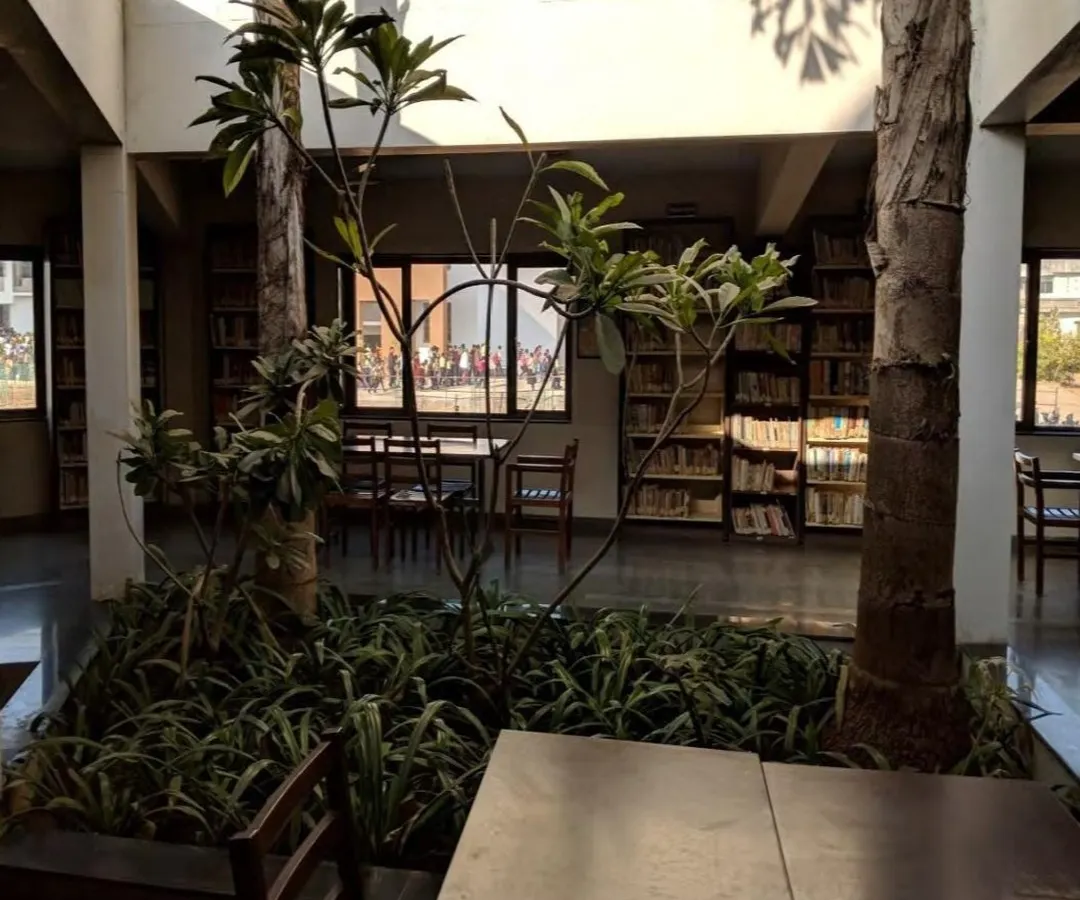
- I love finding ways to bring nature inside - open courtyards, trees, and just letting the fresh air in. Makes a big difference.
- Gujarat heat or Mumbai rains, each place gets its own solution. No copy-paste. We use climate-responsive educational building techniques to manage light and airflow naturally.
A Few Projects, Real Results
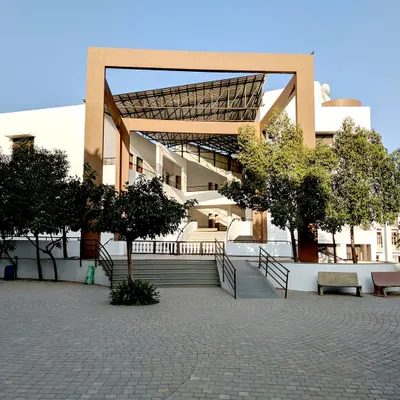
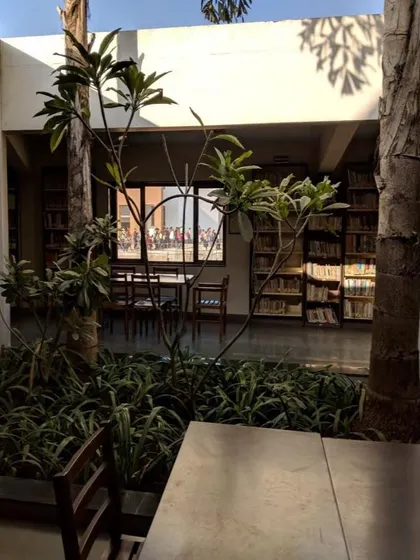
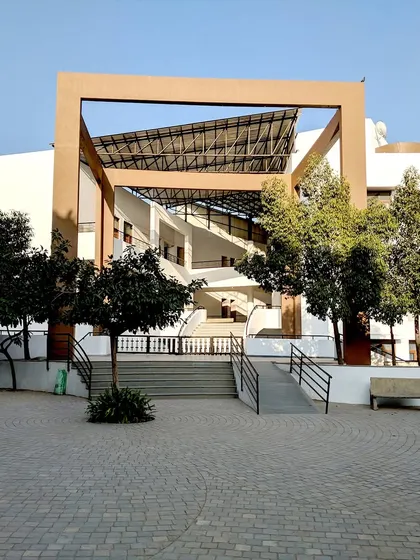
- Vidyamandir School, Palanpur: Courtyards keep it cool, and the library opens into a mini jungle. Kids don’t just sit in AC, they learn in a green school architecture setting.
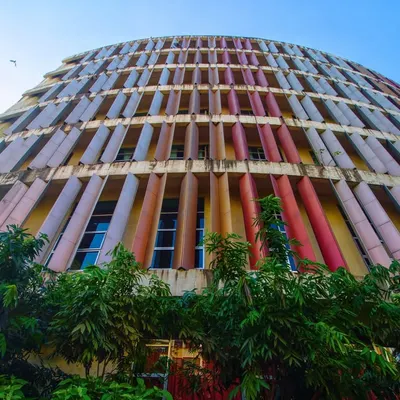
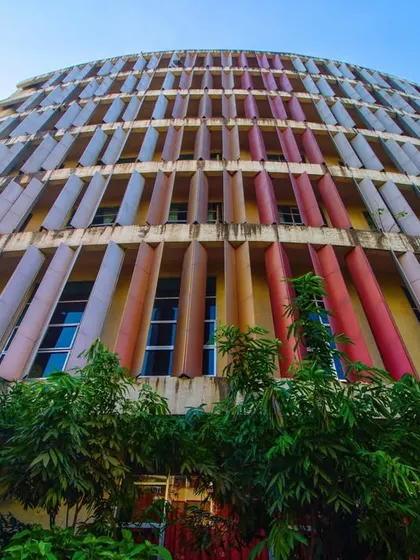
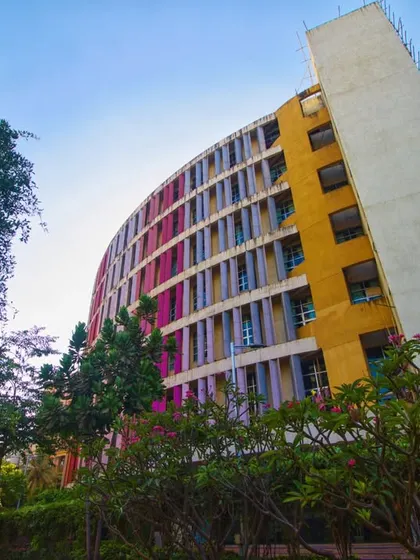
- K.J. Somaiya College, Mumbai: The bold curved facade pops, but it’s the daylight-optimized classrooms with huge windows and open green surroundings that really set the mood for learning.
What You Can Expect
- Loads of natural light and air. No dark, stuffy corners.
- Modern learning environments that still feel warm and welcoming.
- We handle big educational campuses, right from sketches to the final building.
- Always looking for ways to make spaces more sustainable and future-ready.
If you want a space that actually helps people grow, not just fill up land, that’s what I do.
Meet your Expert
Access Architects
25 connects in last 3 months
My Story
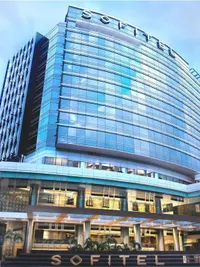
We’re Access Architects – started out in Mumbai, still loving the city chaos. For us, every new project is a bit of a wild experiment, not just another building. From Sofitel BKC’s mix of Indian warmth and modern style to working with legends like Mr. Ratan Tata, we keep pushing what architecture can be. Our work’s in the glass and steel you see around, but it’s also about creating spaces that last, that feel fresh, and that belong to the city.
My Work
Architectural Design Services - We design luxury high-rise residential towers, commercial spaces, hotels, resorts, and educational buildings.
Modern, Sustainable Approach - Our style blends architecture with nature - think green facade design, natural light, and smart layouts.
Tech-Driven Visualization - We use VR architectural walkthroughs and 3D models so clients can really see and feel the space before it’s built.
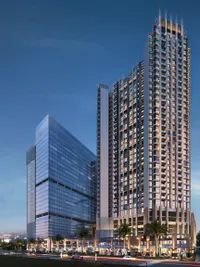
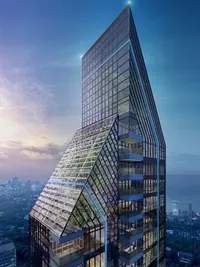
High-Rise Expertise - We’re good at column-less floor plates and vertical living, making tall buildings that work for people and the city.
Advanced Construction Methods - Composite steel construction lets us build strong, flexible, and bold structures for ambitious projects.