Inversions & Arm Balances: Master Safe Yoga Techniques
Inversions are not just about showing off; they are about core control, shoulder stability, and understanding your own anatomy. See how we build these poses through safe, repeatable drills.
This variation of Pincha Mayurasana, or forearm stand, is a beautiful expression of balance and strength. It's a pose that requires more than just strong arms; it demands deep core engagement, shoulder stability, and a precise understanding of your body's center of gravity. In my advanced course, we focus on the anatomy behind inversions, using specific drills to build the strength and awareness needed to fly safely.
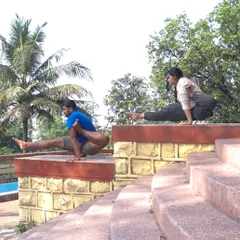
Here is a step-by-step tutorial for Astavakrasana, or Eight-Angle Pose. I break down the palm placement, how to engage your core, and the mechanics of shifting your weight forward to lift off. My course is filled with detailed breakdowns like this for beginners, intermediate, and advanced practitioners to master complex arm balances safely.
This is a tutorial on one of the safest ways to enter a Tripod Headstand from a wide-leg fold. I explain how to create a stable base, engage the right muscles to protect your joints, and shift your hips over your shoulders for a controlled lift. Understanding these mechanics is key to a safe inversion practice.
Your mat is not a stage, it is a mirror. This forearm plank is a foundational pose for building the core and shoulder strength necessary for inversions like Pincha Mayurasana. It reflects your patience and inner state of being.
This Chaturanga Dandasana is a key component of Vinyasa flow and essential for building the upper body strength for arm balances. It's not about performance, but about self-reflection and building a strong foundation.
Another look at Chaturanga Dandasana, a pose that builds immense strength in the arms, shoulders, and core. Mastering this pose is a gateway to more advanced arm balances.
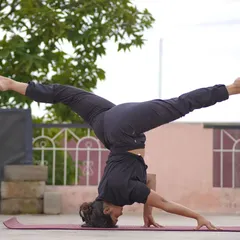
Playing with a fun Sirsasana (Headstand) variation I saw. The practice is not just about holding static poses, but also about exploring movement and challenging your balance in new ways.
This is a dynamic transition from a flying splits arm balance into Chaturanga. Yoga isn't just about static shapes; it's a moving meditation that builds strength and control through fluid movement.
People often ask how I can do poses like Mayurasana (Peacock Pose) on a bar. The answer is simple: train the right way. This video shows the bodyweight strength training that makes such feats of balance possible.
A handstand practice against the window. This pose, Adho Mukha Vrksasana, is the culmination of shoulder strength, core control, and the courage to kick up. Every practice, perfect or not, is a step forward.
About Inversions & Arm Balances
You don't need to be a gymnast to master these poses; you just need to understand the levers of your body. In my classes, we don't just kick up and hope for the best. We use blocks, walls, and specific muscle engagement drills to protect your joints. Whether it's Bakasana or Pincha Mayurasana, we start by training the antagonist muscles so you feel stable long before you catch air.
Beyond the Shape: Building Strength with Anatomy
Many students come to me wanting to 'nail' a handstand or a forearm stand. The reality is that the pose is the final 1% of the work. The other 99% is the preparation, the shoulder stability, and the ability to fall safely without hurting yourself.
In this cluster, you aren't seeing perfect, finished poses. You are seeing the practice—the drills with blocks, the wall-assisted work, and the specific conditioning that makes these advanced movements possible.
How we train:
- Muscle Engagement: We focus on the how and why—which muscles are firing, how to stabilize your scapula, and how to distribute your weight so you aren't putting strain on your wrists or lower back.
- Prop Usage: Using a chair, blocks, or a strap is not a sign of weakness. It is a sign of intelligence. Props help you find alignment that your body isn't ready for yet.
- Accountability: If your form is off, I will tell you. My students know that I am strict with alignment because I want you to practice for years, not just for a few months until an injury stops you.
FAQ: Before You Join
Do I need to be advanced to join your inversion workshops? No, but you should have a baseline of physical awareness. If you can hold a plank and are comfortable with Surya Namaskars, we can build the rest. This isn't for absolute beginners who have never touched a yoga mat.
What if I'm afraid of falling? Fear is just a lack of information. We practice safe exit strategies and falling techniques so that if you lose your balance, you know exactly how to land. Once you know how to fall, the fear of the pose usually disappears.
Similar work from other experts
Browse through Curated picks from other experts on mytribe
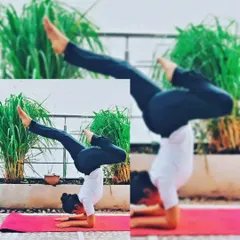
Advanced Yoga: Arm Balances & Inversions
Mastering Headstands & Arm Balances Step-by-Step
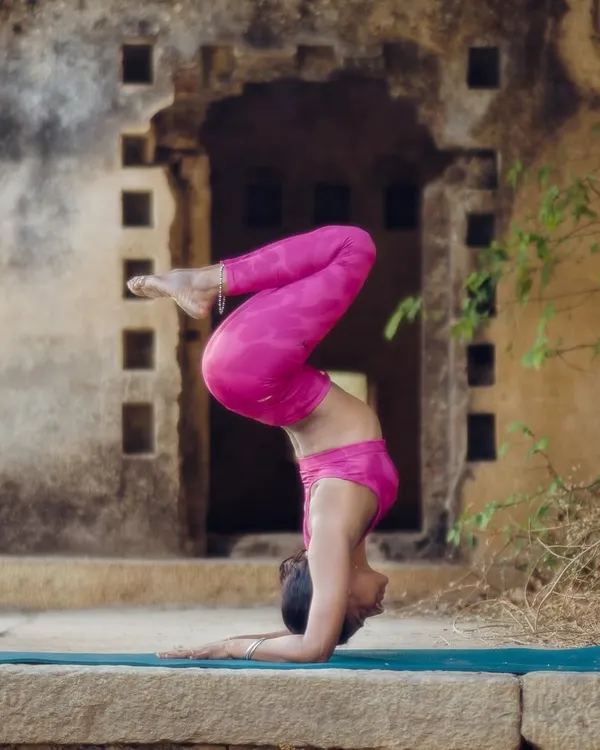 89
89Inversions: Finding Balance Upside Down
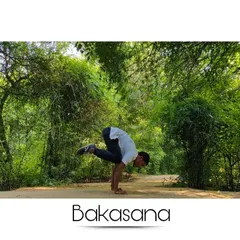
Advanced Yoga: Arm Balances & Inversions
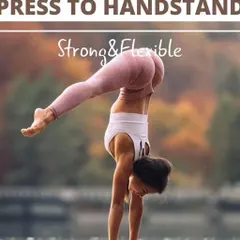
Building Strength for Inversions & Arm Balances
Master Inversions and Arm Balances Safely
More from Advanced Yoga Anatomy & Asana Course (Online) by Shashi Prabha Dwivedi
More services by Shashi Prabha Dwivedi