The Yogic Path: Ancient Philosophy for Modern Stress
Yoga is not just a series of physical postures. It is a system of mental models that helps you navigate anxiety, ego, and the noise of daily life. Here, we use ancient wisdom not as history, but as tools for immediate, practical relief.
This post explores Raag (attachment), one of the five Kleshas or causes of suffering described by Patanjali. The prompt invites you to reflect on how often you act out of attachment and whether it truly brings you joy.
This video shows a deep backbend, a variation of Kapotasana (Pigeon Pose). Such poses are not just about physical flexibility but also about confronting mental fluctuations, or 'vrittis', with stillness and breath.
Tapas, or austerity, is the third Niyama in Ashtanga Yoga. This post explains the sutra and the concept of using voluntary discomfort to purify the body and senses.
Karma Yoga is yoga in action. An action performed with a balanced mind, without attachment to the result, becomes a spiritual practice.
This graphic explains the difference between aversion and detachment. Aversion stems from attachment and creates disharmony, while detachment creates inner peace by accepting the present moment.
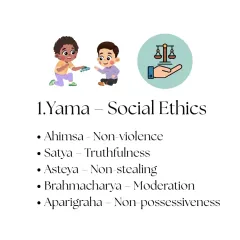
Aparigraha, or non-possessiveness, is the fifth Yama. It applies not just to material things but also to our experiences, emotions, and memories, freeing us to live in the present.
This post introduces the four main paths of yoga: Karma (action), Bhakti (devotion), Raja (meditation), and Jnana (knowledge). Each path offers a way to transcend our lower nature and connect with the divine.
Asmita, or ego, is the identification with our body, mind, and intellect. This reflection prompt asks you to consider the labels you identify with and how strongly they define you.
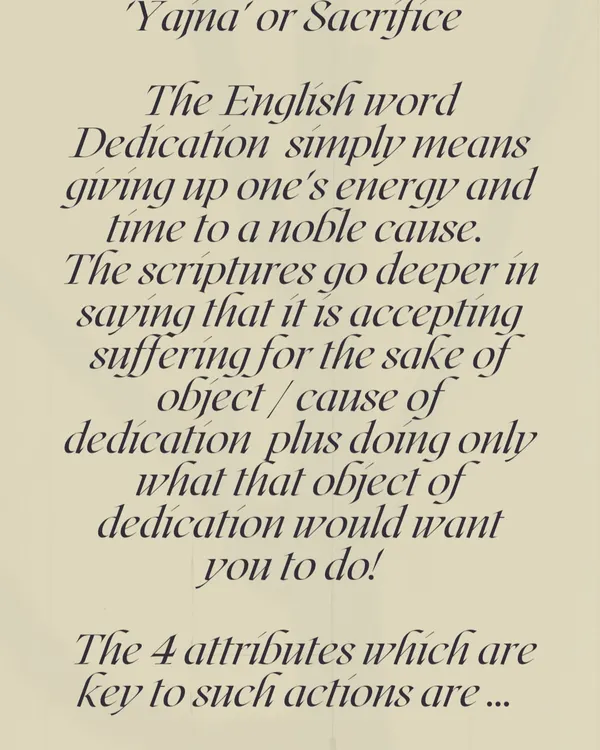
Why is the sacred syllable 'Om' also called 'Pranav'? The Shiv Mahapurana defines it as an excellent boat ('nav') to cross the ocean of worldly existence ('prakriti').
Dwesha, or aversion, is the resistance to things that bring pain. This prompt encourages you to see challenging situations as opportunities for growth rather than something to escape.
About The Yogic Path: Philosophy in Action
I do not believe in teaching yoga without context. Whether we are discussing the five Kleshas—the root causes of our suffering—or the practice of Karma Yoga to manage daily stress, the goal is to bridge the gap between ancient text and your actual lived experience. We will use these frameworks to identify your specific triggers and build a practice that brings you back to center, making your daily life more manageable.
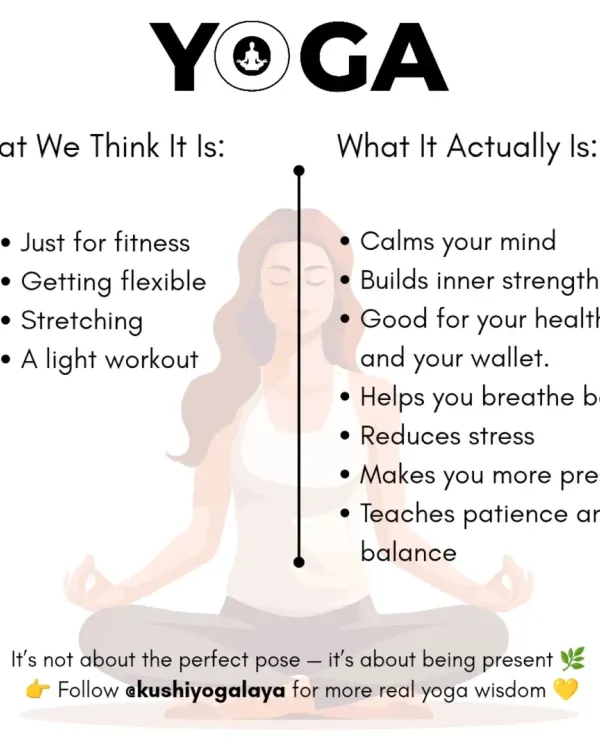
When we talk about philosophy in action, we are talking about changing the way your brain processes stress. You might know about Asana, but that is just one small part of the system. My sessions focus on the why and how behind your mental patterns.
For example, if you struggle with chronic stress, we might look at Avidya (ignorance) or Dwesha (aversion). Are you reacting to a situation as it actually is, or are you reacting to your own story about it? This is not theoretical. We look at your specific triggers—the work meeting that spikes your anxiety or the relationship dynamic that drains you—and apply concepts like Abhyasa (practice) and Vairagya (detachment) to change your neural pathways.
We are not trying to reach enlightenment overnight. We are trying to make your Tuesday afternoon feel more manageable. We examine your daily habits, your diet, and your mental chatter. By integrating these philosophical frameworks into your therapy, you gain a toolkit to use long after our session ends. You stop being a passive recipient of your emotions and start becoming an active participant in your mental health.
Similar work from other experts
Browse through Curated picks from other experts on mytribe
 8
8


Integrating Ancient Yoga Philosophy Into Modern Life
 61
61
Practical Yoga Philosophy: Wisdom for Modern Living
The Philosophy of Yoga: Ancient Wisdom for Modern Life
Practical Yoga Philosophy for Daily Life
Yoga Philosophy and Deeper Mindful Practice


Applying Ancient Wisdom to Modern Challenges
More from Specialized Yoga Therapy by Kriti
More services by Kriti