Pranayama Breathing Techniques for Energy and Calm
Discover how controlled breathwork can manage stress and improve your focus. These sessions guide you through essential techniques to calm your nervous system.
Kapalbhati is a powerful pranayama, or breathing exercise, that cleanses and energizes the body. I explain the technique of forceful exhalation while keeping the inhalation passive, and who should practice with caution.
Many people ask if Anulom Vilom and Nadi Shuddhi are the same. In this video, I explain the subtle but important difference: Nadi Shuddhi includes breath retention (kumbhaka), making it a more advanced practice.
About The Power of Breath: Pranayama
When practicing Kapalbhati, the key is not the speed of your breath, but ensuring your shoulders remain completely still while you forcefully exhale. I teach this by breaking down the movement so you focus only on the stomach and nostrils, avoiding the common mistake of straining your upper body. Whether you are a beginner or looking to refine your practice, we start with a rhythm that matches your current capacity.
Understanding Pranayama
Pranayama is far more than just breathing. It is the conscious regulation of the breath to influence your energy and mental state. In my sessions, we focus on safe, effective techniques that you can incorporate into your daily routine to manage anxiety, improve respiratory health, and clear your mind.
Kapalbhati vs. Nadi Shuddhi
Many students ask me about the difference between breathing techniques. Kapalbhati is a cleansing breath that energizes the body, while Nadi Shuddhi (often confused with Anulom Vilom) balances it. The primary difference lies in the retention (kumbhaka). I guide you through these nuances, ensuring you understand exactly when and how to apply each technique based on your health goals.
Safety First
Yoga should never cause harm. I always provide contraindications before we start a session. For instance, if you have high blood pressure, a history of brain surgery, or a recent head injury, we modify the practice significantly or skip intense exercises like Kapalbhati. My goal is to teach you how to listen to your body, not just follow a video.
How to Prepare
- Timing: Always practice on an empty stomach, ideally in the early morning to set the tone for your day.
- Setting: Whether you are in my Koramangala rooftop studio or joining online via Zoom, create a quiet space where you won't be interrupted.
- Instruction: I guide sessions in English, with Kannada explanations for alignment cues, ensuring accessibility for everyone. We focus on 'nimma bennannu straight aagi itkolli' (keep your back straight) because proper posture is the foundation of effective breathwork.
Similar work from other experts
Browse through Curated picks from other experts on mytribe
Learn Pranayama and Breathwork in Bengaluru
Pranayama: Master Your Breath for Calm & Energy
The Power of Breath: Guided Pranayama
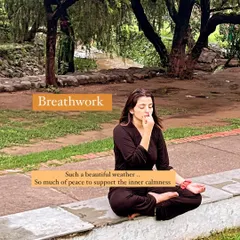
Breath is Magic: Pranayama Techniques for Stress Relief
Pranayama and Meditation Classes for Stress Relief
Pranayama and Breathwork Classes in Delhi
More from Intermediate & Group Yoga by Yoga for Cure
More services by Yoga for Cure