The Science of Food: Nutrition, Simplified
I break down complex nutrition science into simple, actionable habits. Stop the guesswork and learn how to fuel your body with real, whole foods.
You have an inner intelligence that knows what's healthy. I explain how to tap into it by asking a simple question: "How did nature make this food, and how has man processed it?" This principle helps you easily distinguish between whole foods like sugarcane and their refined, unhealthy counterparts like sugar.
Will cashew nuts increase your cholesterol? The answer is a clear no. In this video, I explain a fundamental fact: cholesterol is only found in animal products. Plants, including all nuts and seeds, contain zero cholesterol and are packed with beneficial nutrients for your heart and overall health.
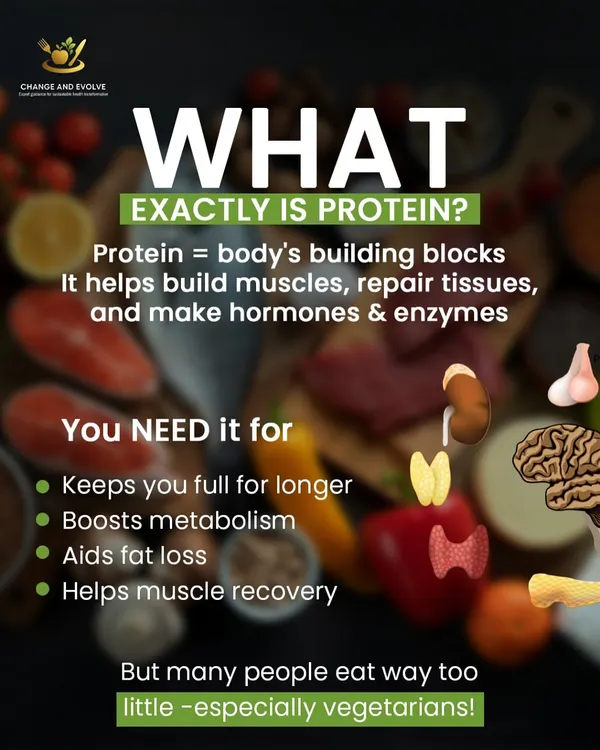
"Where do you get your protein?" is a question every vegan hears. I bust the protein deficiency myth by explaining that all plants contain all nine essential amino acids. A varied plant-based diet of lentils, grains, and vegetables will always provide more than enough protein for your body's needs.
Are protein powders safe? I discuss the recent scrutiny over heavy metal contamination in many supplements. I explain that our bodies only need nine essential amino acids from food, all of which are abundant in whole plant sources like lentils, chickpeas, hemp seeds, and even mushrooms.
Feeling bloated after eating dal or chana? It's not the beans, it's your gut. I explain that your gut microbiome needs time to build the right bacteria to digest the healthy fiber in legumes. The key is to start with small portions daily to train your gut and reap the longevity benefits.
This video is a clip from a live session explaining the difference between "vegan" and "whole-food, plant-based." While all WFPB food is vegan, not all vegan food (like fries and coke) is healthy. I clarify how focusing on whole, unprocessed plants is the key to reversing chronic illness.
Many people think a plant-based lifestyle is expensive, but that's a myth. I explain that the most expensive items on a grocery list are often meat and dairy. A traditional Indian diet based on local vegetables, fruits, millets, and lentils is naturally plant-based and very economical.
Your body is an intelligent supercomputer. Just as you'd use the right fuel for an expensive car, your body needs high-quality, diverse, plant-derived foods to function optimally. I use this analogy to explain how food is converted into the nutrients that power every process in your body.
"Nature is always telling us something, man is always selling us something." This is a core part of my philosophy. This short clip from a talk I gave encourages you to listen to the wisdom of nature when it comes to your food choices.
We are "living shorter and dying longer," with increased lifespans spent on medication and life support. I discuss how true health is not the absence of sickness but a feeling of vitality and energy, which can be achieved through whole plant foods.
About The Science of Food, Simplified
Many people assume that going plant-based means you have to sacrifice protein or spend a fortune on fancy ingredients. In reality, the most nutrient-dense options are usually local produce like lentils, seasonal veggies, and millets. If you are worried about protein, remember that your body cares about amino acids, not labels. You don't need supplements to get what your body needs; you just need a variety of plants on your plate.
Debunking the Nutrition Myths
When we look at health through a scientific lens, we realize how much of the 'diet' industry is just noise. My goal is to help you filter that noise so you can make decisions that actually serve your body.
Why 'Nature Tells, Man Sells'
Most modern health problems stem from processed foods. When man takes a sugarcane and refines it into white sugar, he removes the fiber, the nutrients, and the protective benefits. My philosophy centers on eating foods as close to their natural state as possible. This isn't about being strict or 'clean eating' for the sake of an aesthetic; it is about providing the right fuel for your body's cells.
Protein: The Great Confusion
One of the most frequent questions I get is, 'Where do you get your protein?' It is a valid concern, but it often comes from a place of misinformation.
- Amino Acids Matter: Protein is made of 20 amino acids. Your body makes 11 of them. You only need to source 9 from your food.
- The Plant Advantage: Every single plant contains all nine essential amino acids. Lentils, beans, whole grains, and even seeds are abundant sources.
- Quality over Quantity: I don't recommend isolating proteins into powders. Excessive protein intake is linked to kidney strain and other metabolic issues. Instead, consume a variety of whole plants throughout your day to ensure your body gets exactly what it needs for cell repair and growth.
Gut Health and Adaptation
If you try to switch to a high-fiber, plant-based diet overnight and feel bloated, it is not the food's fault. It is simply your gut microbiome adjusting. If your gut is not used to digesting complex fibers found in legumes, start with small portions. Give your body time to build the right bacteria, and you will find that these same foods provide the long-term energy and vitality you are looking for.
Similar work from other experts
Browse through Curated picks from other experts on mytribe
 143
143

The Science of Sustainable Nutrition
Know Your Food: Science-Backed Nutrition & Simple Hacks
 99
99
Nutrition Science Simplified: Practical Tips for Your Daily Diet
 17
17

Busting Nutrition Myths and Misconceptions
The Science of Healthy Eating: Practical Nutrition Tips
Nutrition Truths: Busting Diet Myths for Lasting Health
More from Plant-Based Cooking Classes & Workshops by Upasana Bijoor
More services by Upasana Bijoor