The Science of Healthy Eating: Practical Nutrition Tips
Nutrition doesn't have to be confusing. I break down complex health science into simple, actionable habits so you can stop guessing and start feeling better.
Whey protein or plant protein? This video explains the difference. I discuss complete vs incomplete proteins, the types of whey, and how plant-based options like pea protein can be just as effective.
What is cholesterol? I explain the difference between dietary and blood cholesterol, and good (HDL) vs bad (LDL). Understanding this helps you see why saturated and trans fats are the real culprits to watch.
Vitamin D is crucial for bone health, yet 70-80% of us are deficient. I discuss why we need it, the importance of sunlight, and how to properly take supplements since it's a fat-soluble vitamin.
Amaranth leaves are a nutritional powerhouse. I explain their benefits, from being rich in iron, vitamin K, and calcium to containing lysine, an essential amino acid for energy and calcium absorption.
Here is a simple way to calculate your ideal body weight and daily energy needs. This basic calculation is a great starting point for understanding your body's requirements for weight management.
Fasting is an ancient practice with modern health benefits. I explain how traditional seasonal fasting helps detoxify the body, calms the digestive system, and boosts immunity, preparing us for the changing seasons.
About The Science of Healthy Eating
I don't provide generic diet charts. Instead, I analyze your blood reports, hormones, and lifestyle triggers to identify the root cause of your health issues. Whether we are discussing why you are dealing with Vitamin D deficiency or debunking the myth that all cholesterol is bad, my focus is on giving you the knowledge to manage your body effectively.
Understanding Your Body's Needs
Many of the clients I see in my Vasant Kunj clinic come to me after trying endless fad diets. They are exhausted, frustrated, and confused by conflicting health advice. My goal is to strip away the noise.
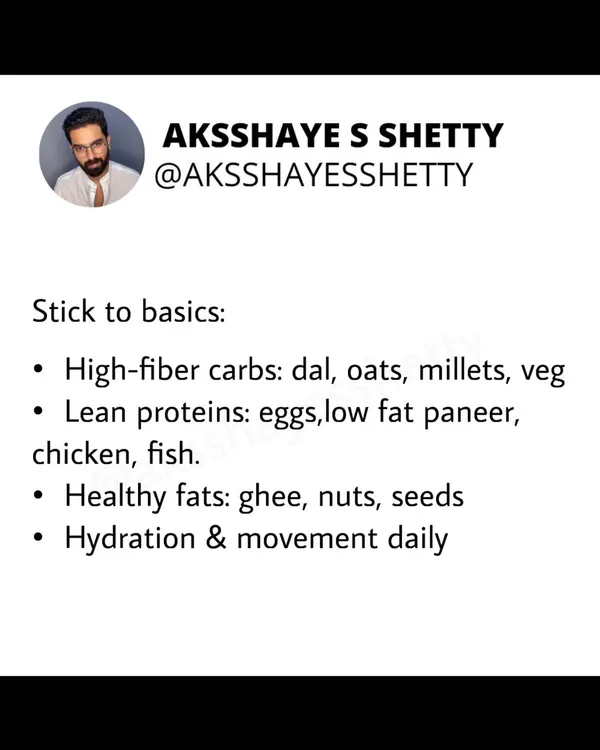
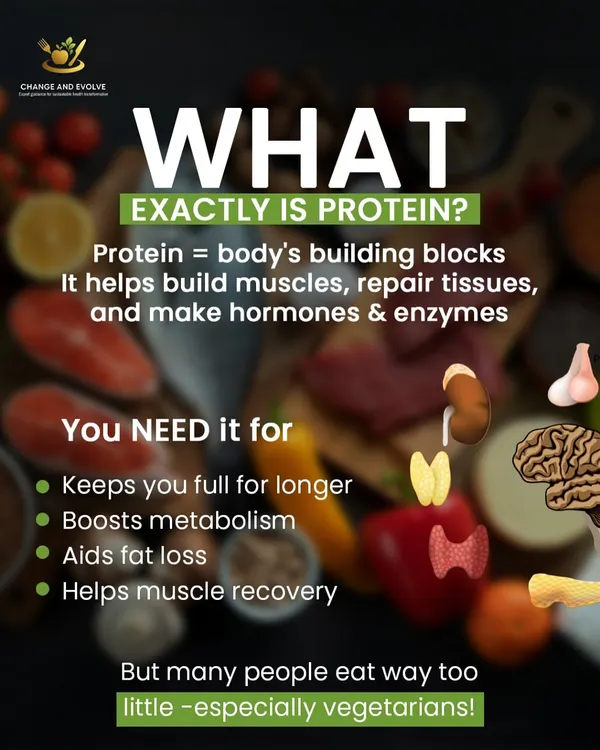
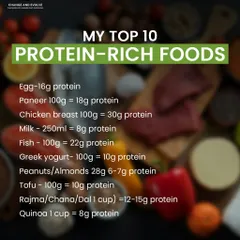
We look at the science of food—not as a set of restrictive rules, but as chemistry that your body needs to function. For example, when we discuss protein, we don't just guess. We look at whether your body needs the bioavailability of whey or the sustained fiber profile of plant-based sources. We do the same for healthy fats, micronutrients, and seasonal produce.
My Approach to Clinical Nutrition
- Evidence-Based Audits: We start with your medical history and current blood panels to see what is actually happening inside.
- Condition-Specific Plans: I work with clients managing PCOS, thyroid imbalances, high cholesterol, and diabetes using drug-free nutritional therapy.
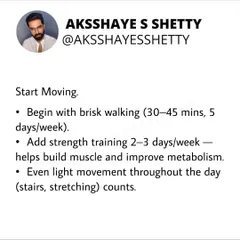
- The 'Cool Head, Warm Feet' Concept: Health is not just about the food on your plate; it is about stress management, sleep, and activity. We work on your mindset as much as your meal plan.
- Myth-Busting: There is a lot of misinformation about supplements and superfoods. I help you save money by cutting out unnecessary products and focusing on local, nutrient-dense Indian foods.
Sustainable, Not Temporary
My programs are designed to be sustainable. We use the 80/20 rule, ensuring that while we are disciplined about your long-term health, we leave enough room for you to enjoy your life. If you are ready to stop chasing trends and start building a relationship with food that actually lasts, let us get to work.
Similar work from other experts
Browse through Curated picks from other experts on mytribe
 18
18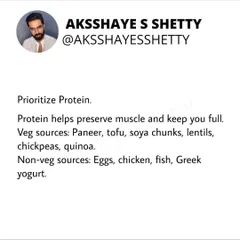
Understanding Your Health and Nutrition Facts
 99
99
Nutrition Science Simplified: Practical Tips for Your Daily Diet
 11
11

Expert Health Guides for Sustainable Wellness
Decoding Your Body's Health Signals
Nutrition Facts & Myth Busting: Evidence-Based Clarity
Know Your Food: Science-Backed Nutrition & Simple Hacks
More from Weight & Wellness Management by Priya Arya
More services by Priya Arya