The Science of Sustainable Nutrition
Nutrition is not about complex math or magic superfoods. I focus on breaking down what actually matters for your health, from debunking common diet myths to understanding the protein gap in Indian meals.
Where is MSG used? It's commonly found in Chinese takeout, instant noodles, packaged soups, and various snacks. Understanding where it is can help you make more informed choices about your food.
What is MSG? Commonly known as Ajinomoto, Monosodium Glutamate is a flavor enhancer used to boost the savory or "umami" taste in food. It's one of the most misunderstood ingredients in our food supply.
Can MSG be part of a healthy diet? Yes, in moderation. Just like salt or sugar, the key is portion control, not complete avoidance. There's no need to fear it when consumed reasonably.
Is MSG found in natural foods? Yes, it occurs naturally in many foods we eat regularly, including tomatoes, cheese, and mushrooms. This is what gives them their rich, savory flavor.
The myth around MSG started in the 1960s with "Chinese Restaurant Syndrome." However, multiple scientific studies have since found no consistent evidence to support claims that it causes headaches or fatigue.
My take on air fryers: they are a great tool, not a shortcut. Use them wisely with whole foods like vegetables and lean proteins for maximum health benefits. They make healthy eating easier, but moderation is still key.
How does an air fryer work? It uses hot air to cook food, giving a texture similar to frying with little to no oil. This makes it a great option for weight loss and calorie-conscious cooking while retaining most nutrients.
For healthy air frying, I suggest soaking starchy foods first to reduce acrylamide formation. Cooking at lower temperatures is also safer than deep frying, which can produce harmful substances from reused oil.
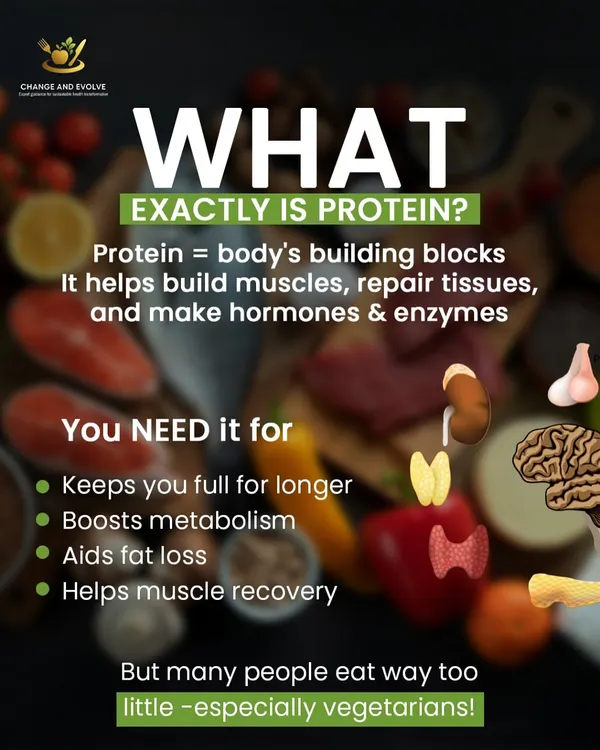
Why does protein deficiency matter? High-carb, low-protein meals lead to poor muscle recovery, fatigue, hair fall, and a weak immune system. Without enough protein, your workouts will also yield slower results.
The reality of protein intake in India is that studies show 70-80% of the population is deficient. This isn't just a vegetarian issue; even non-vegetarians often fall short due to a reliance on carb-heavy meals.
About The Science of Sustainable Nutrition
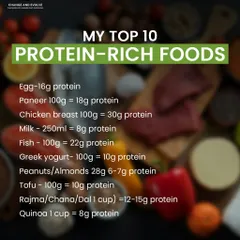
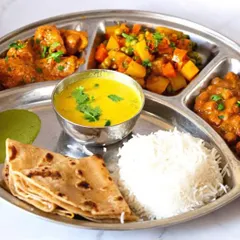
Most of us get stuck in the dal-chawal trap, assuming it is a complete protein source when it actually leaves a significant gap in your daily intake. True nutrition science is not about cutting out foods you love, but rather learning how to balance your current meals with simple adjustments—like adding paneer, eggs, or Greek yogurt—to hit your targets without the stress.
My philosophy on nutrition is simple: if you cannot do it for the rest of your life, it is not worth doing. Many people come to me confused by influencer-driven diet trends. My goal is to clear that fog by applying basic, verifiable science to the food you are already eating.
Why Nutrition Myths Hold You Back
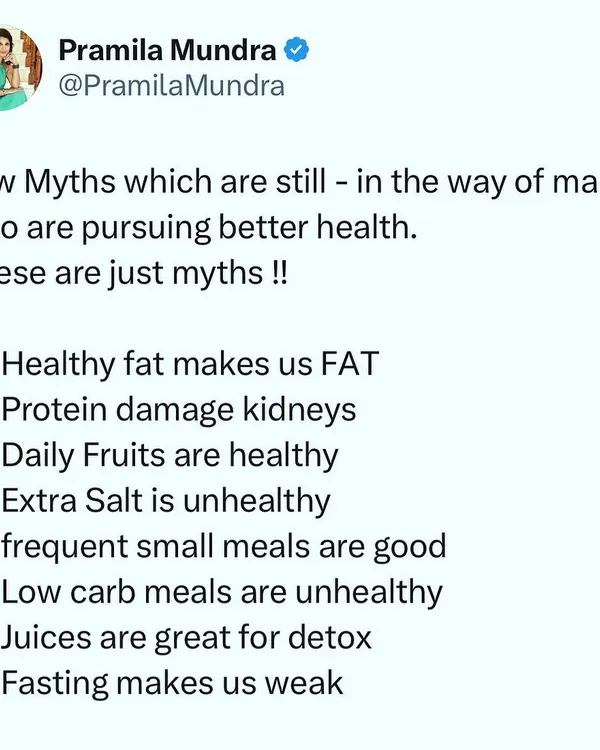
We spend too much time worrying about the wrong things. Take MSG, for instance. It has been unfairly vilified since the 1960s with unfounded claims of causing 'Chinese Restaurant Syndrome.' Science has shown this is not a concern for the general population. Worrying about MSG while ignoring your overall daily calorie or protein intake is a distraction. The same goes for fear-mongering around healthy staples like rice or dairy. When we focus on the wrong problems, we miss the solutions that actually move the needle.
The Protein Reality
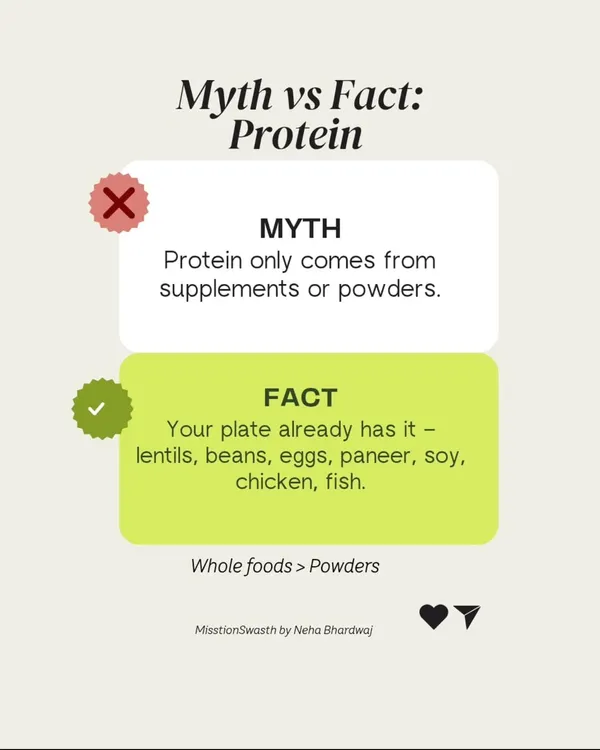
Studies consistently show that 70-80% of Indians are protein deficient. Even non-vegetarians often fall short because we rely heavily on carb-dense meals. This deficiency leads to fatigue, muscle loss, and hair fall. I don't ask you to swap your Indian diet for expensive imported supplements. Instead, we look at where you can integrate protein—through familiar sources like paneer, legumes, eggs, or chicken—to stabilize your energy levels and support your metabolism.
Tools for Success
Modern tools like air fryers are excellent if you understand how to use them. They are not a magic ticket to weight loss, but they are a great way to manage oil intake while keeping the texture of your food satisfying. By choosing the right tools and understanding the nutrient profile of your meals, you regain control over your health without feeling like you are on a restrictive diet.
Similar work from other experts
Browse through Curated picks from other experts on mytribe
Nutrition Simplified: Eat Your Favourite Indian Meals
Nutrition Facts & Myth Busting: Evidence-Based Clarity
 6
6
Busting Nutrition Myths with Science-Backed Facts
 99
99
Nutrition Science Simplified: Practical Tips for Your Daily Diet
Busting Common Nutrition Myths: Science-Backed Facts for Your Health
 17
17
Busting Nutrition Myths and Misconceptions
More from PCOD/PCOS Management Program by Aksshaye S Shetty
More services by Aksshaye S Shetty